AI identification & appraisal estimate

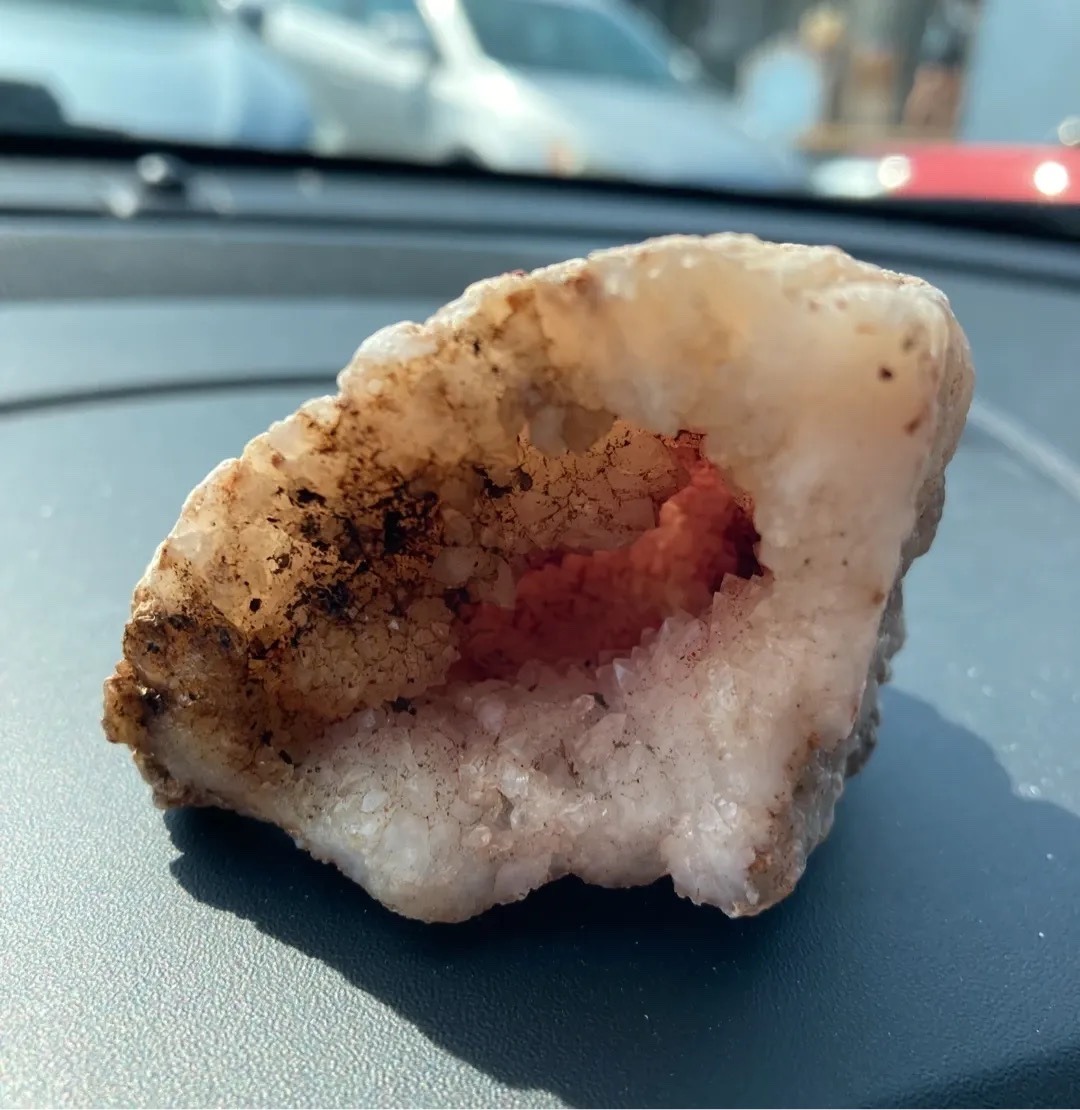
Quartz Crystal Geode

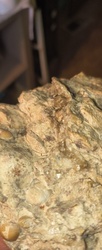
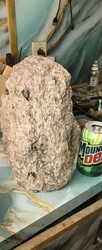
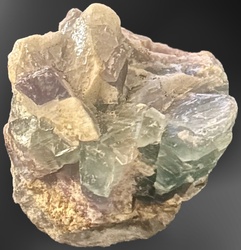
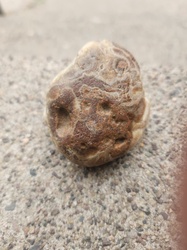
Submitted photo of Quartz Crystal Geode
Photo submitted by the user — not generated by AI

AI Estimated Value

Not an official valuation

$50-$150

AI estimate as of August 14, 2026 · verify with a professional before acting

AI-Generated · Verify before acting

Everything on this page is generated by AI for informational purposes only. AI can make mistakes — the AI may misidentify items or misattribute them (artist, maker, brand, designer, origin, era). This is not an official valuation and should not be used for insurance, sale, tax, estate, legal, or lending purposes — or any decision requiring a certified appraisal. It is not an authoritative claim about any person, brand, or rights holder — do not share or rely on it as a factual statement about a third party. Always consult qualified professionals before making financial decisions.

Read the full disclaimer

AI Item Analysis

This physical item is a naturally formed mineral specimen, specifically a small rock geode featuring a hollow cavity lined with crystalline structures. The exterior matrix is rough, earthy, and brownish-gray in color, displaying natural weathering and dark surface sediment or soil deposits. The interior cavern reveals a sparkling druzy layer composed of numerous small, interlocking quartz or chalcedony crystals. The coloration within the hollow transitions from off-white to a warm, pinkish-peach or reddish hue deep inside the central pocket, which may be due to mineral inclusions such as hematite or iron oxide. There are no visible maker's marks, stamps, signatures, or applied labels on the specimen, as is typical for unworked geological samples. The physical form is irregular and uncut, suggesting it was found as a naturally weathered nodule rather than being professionally sliced or polished. The overall condition shows uncleaned surface dirt, grime, and patina consistent with a raw mineral find collected directly from the field. Based on the crystalline formation and matrix appearance, the specimen is consistent with naturally occurring quartz or agate geodes found in sedimentary or volcanic rock deposits, though an exact geological origin or age cannot be determined from a visual photograph alone. The identification rests entirely on visual observation of the mineral habit, crystal structure, and cavity formation.
AI Appraisal Report

Based on what I can see in the photograph, this specimen appears to be a natural quartz or chalcedony geode featuring an uncut, weathered exterior matrix and a central druzy cavity with potential iron oxide staining. However, I can't verify the exact mineral composition, geographic origin, or geological age from a photo alone, and physical inspection by a mineralogist would be needed to confirm these characteristics. Assuming the identification as a naturally formed quartz geode is correct, comparable raw mineral specimens of this size and quality typically command a modest retail value in the range of $50 to $150, driven by decorative appeal for collectors of natural curiosities. Condition plays a significant role in value; the uncleaned surface dirt and rough matrix are typical for field-collected specimens, though professional cleaning could slightly enhance its aesthetic presentation. Because this is an unworked geological sample rather than a manufactured work of art, concerns regarding reproductions or copies do not apply in the traditional sense; however, if the stone were found to be artificially treated, altered, or a synthetic imitation rather than a genuine natural formation, the market value would drop to nominal decorative value, likely under $20. To establish a more precise valuation and confirm the exact mineral species and lack of artificial enhancement, one would need in-person physical examination and potentially advanced gemological or mineralogical testing.

Keep exploring

More minerals and fossils appraisals

Get your items appraised

Instant AI-powered appraisal estimates from a photo

Browse More Appraisals