AI Appraisal Estimate

AI-generated estimates · not official valuations

From the user

What was submitted

Photo and notes provided by the user — not generated by AI

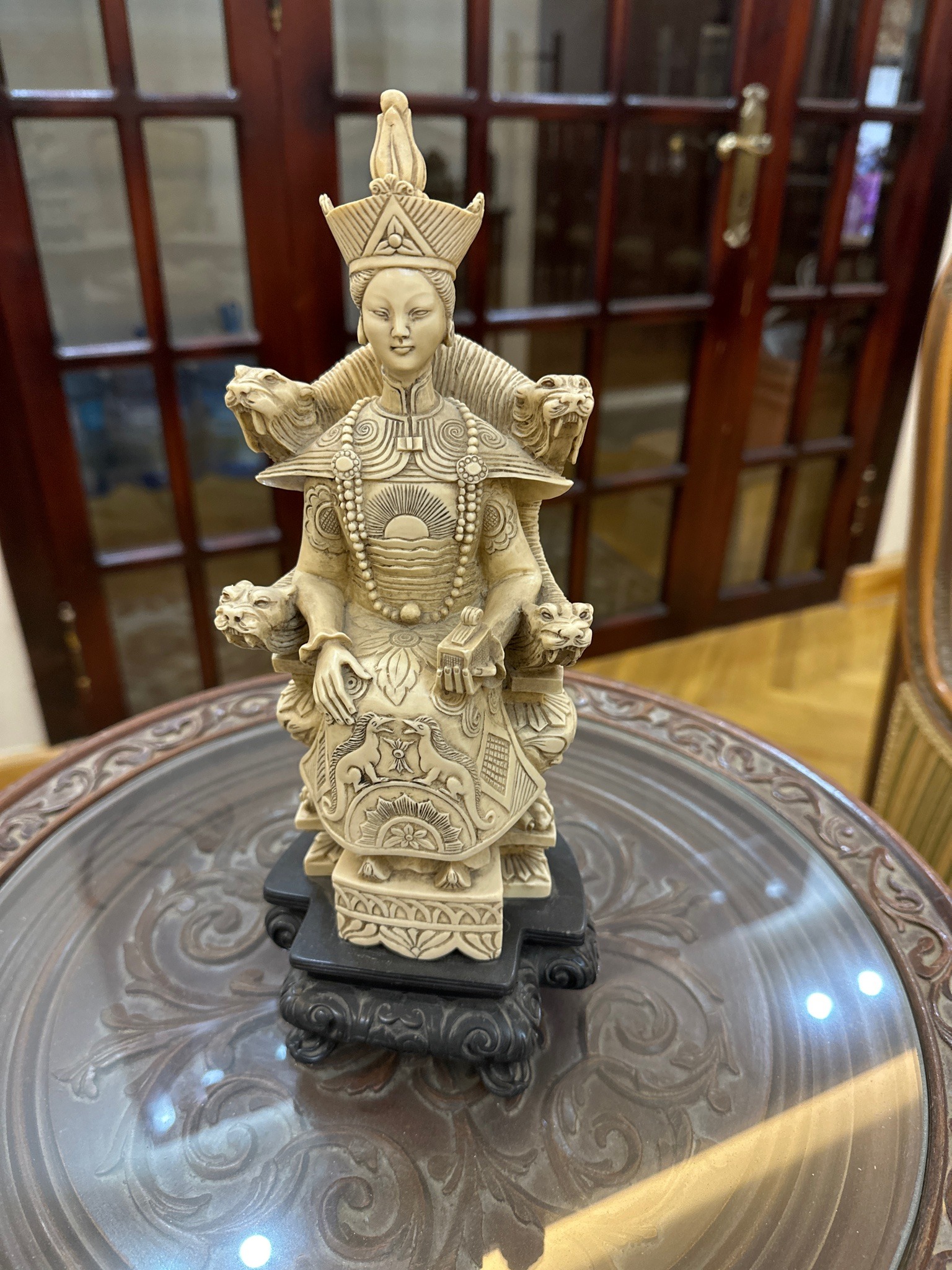
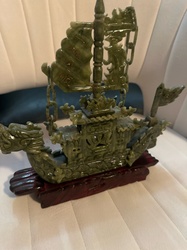
Submitted item photo
Submitted photo · June 20, 2026

User's notes

No additional notes provided.

AI analysis below

AI appraisal

AI analysis & estimate

AI-Generated · Verify before acting

Everything below is generated by AI for informational purposes only. AI can make mistakes — the AI may misidentify items or misattribute them (artist, maker, brand, designer, origin, era). This is not an official valuation and should not be used for insurance, sale, tax, estate, legal, or lending purposes — or any decision requiring a certified appraisal. It is not an authoritative claim about any person, brand, or rights holder — do not share or rely on it as a factual statement about a third party. Always consult qualified professionals before making financial decisions.

Read the full disclaimer

AI Identification

·Not independently authenticated·Verify before acting

Carved seated female figure in the Chinese Qing Dynasty style

Decorative Arts and Sculptures

AI Estimated Value

·Not an official valuation·Verify before acting

$400 - $800

As of June 20, 2026

AI Item Analysis

·AI can make mistakes·Verify before acting
This intricately carved figurine appears to be consistent with 20th-century decorative arts inspired by traditional Chinese imperial subjects. It depicts a female figure, likely representing an empress or deity, seated on a throne adorned with four guardian lion (shishi) heads at the armrests and shoulders. The figure wears an elaborate headdress and a detailed ceremonial robe featuring sunburst patterns, beadwork, and animal motifs. The material exhibits an off-white to cream coloration with visible fine graining; however, without physical inspection to look for Schreger lines or chemical testing, it is impossible to distinguish if this is natural bone, ivory, or a high-quality resin composite. In-person testing is required for material identification. The carving style is consistent with mid-to-late 20th-century export wares. The piece is mounted on a separate, dark-stained base featuring scrollwork, which appears stylistically consistent with rosewood or a similar dense hardwood. General condition appears good with some minor dust accumulation and visible cross-hatching to emphasize detail, but no visible large-scale fractures. Hedged language is used as there are no visible maker's marks or signatures to establish a specific origin or date.
AI Appraisal Report

·AI can make mistakes·Verify before acting
I have examined the digital image of the carved female figure seated on a throne. Based on what I can see, the piece displays intricate carving consistent with 20th-century decorative export wares inspired by Qing Dynasty motifs. The value estimate reflects the assumption that the material is natural bone or a dense composite; however, I cannot verify the material from a photo. If physical inspection, specifically the identification of Schreger lines, reveals the material to be antique ivory, the value could increase significantly, though such a finding would necessitate strict CITES documentation for legal transfer. Conversely, if the material is confirmed to be a modern resin or plastic composite through chemical testing, the value would likely fall below $150. The carving features four guardian lion heads and sunburst robe patterns typical of Mid-Century Chinese crafts. While the detail is high, the overall aesthetic suggests a high-quality decorative object rather than an imperial antiquity. The dark-stained base appears consistent with rosewood-style hardwoods, though I can't confirm the wood species without handling the piece. Market demand for these types of stylized Chinese figures remains stable among collectors of Asian-inspired decor, though prices fluctuate based on material purity and carving complexity. To confirm this valuation and establish authenticity, an in-person examination by a specialist in Asian art is required to perform material analysis and look for any obscured maker's marks. Without physical verification of the substrate and age, this appraisal remains a working hypothesis based on visual trends. If the piece is found to be a mass-produced modern replica, the market value would be drastically reduced compared to a hand-carved bone example from the mid-20th century.

Get your items appraised

Instant estimates of your treasures with AI-powered appraisals

Browse More Appraisals