AI Appraisal Estimate

AI-generated estimates · not official valuations

From the user

What was submitted

Photo and notes provided by the user — not generated by AI

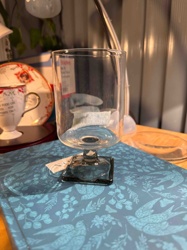
Submitted item photo
Submitted photo · May 28, 2026

User's notes

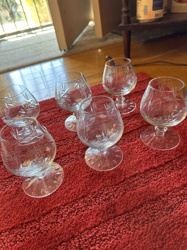
Edinburgh crystal goblet

AI analysis below

AI appraisal

AI analysis & estimate

AI-Generated · Verify before acting

Everything below is generated by AI for informational purposes only. AI can make mistakes — the AI may misidentify items or misattribute them (artist, maker, brand, designer, origin, era). This is not an official valuation and should not be used for insurance, sale, tax, estate, legal, or lending purposes — or any decision requiring a certified appraisal. It is not an authoritative claim about any person, brand, or rights holder — do not share or rely on it as a factual statement about a third party. Always consult qualified professionals before making financial decisions.

Note

This analysis also relies on unverified notes provided by the user, which may be incomplete or inaccurate and could affect the result.

Read the full disclaimer

AI Identification

·Not independently authenticated·Verify before acting

Cranberry Cased Lead Crystal Goblet by Edinburgh Crystal

Vintage Glassware & Collectibles

AI Estimated Value

·Not an official valuation·Verify before acting

$125 - $175

As of May 28, 2026

AI Item Analysis

·AI can make mistakes·Verify before acting
This is a fine example of a hand-cut, cranberry-to-clear cased lead crystal goblet, specifically identified as Edinburgh Crystal. The vessel features a deep cranberry red or ruby glass overlay that has been expertly cut away to reveal the brilliant clear crystal underneath. The bowl is decorated with a complex pattern consisting of cross-hatched diamond cuts on the lower half and a series of vertical fan or wedge cuts radiating upward, creating a highly reflective and multi-faceted surface. The stem is remarkably elegant, featuring a multi-faceted knop or ball just below the bowl, transitioning into a slender, six-sided hexagonal notched stem. This stem rests upon a circular, plain starburst-less foot, which is characteristic of certain mid-20th-century European crystal designs. The clarity of the crystal and the precision of the deep geometric incisions indicate a high level of craftsmanship and high lead content, which contributes to the item's weight and refractive index. Based on the aesthetic and construction, this piece likely dates to the mid-to-late 20th century. The condition appears excellent with no visible chips, flea bites, or clouding, maintaining its original vibrance and sharp edges. This style of 'cased' or 'flashed' glass is particularly sought after for its striking color contrast and traditional artistry.
AI Appraisal Report

·AI can make mistakes·Verify before acting
I have carefully examined the provided images and description of this cranberry cased lead crystal goblet, purportedly by Edinburgh Crystal. Based on my visual assessment, the item displays the high-relief deep geometric cutting and refractive brilliance characteristic of mid-20th-century Scottish craftsmanship. The 'cranberry-to-clear' technique, where a layer of colored glass is fused to clear crystal and then cut through, is executed here with exceptional precision. The faceted knop and hexagonal notched stem are hallmarks of premium European crystal production. The condition appears to be 'near-mint,' with no visible clouding or edge wear, which is vital for maintaining value in this category. The market for Edinburgh Crystal remains stable, though it has seen a shift from utilitarian use to decorative collecting. Comparables for single cased goblets in ruby or cranberry often fall in the $100–$200 range at boutique auctions or specialty replacements retailers. Rarity is moderate; while Edinburgh Crystal produced many patterns, the intricate combination of diamond and fan cuts on a cased body is more desirable than standard clear versions. Limitations: This appraisal is based solely on visual data. To fully authenticate this piece, I would require an in-person physical inspection to verify the 'ring' of the lead crystal, look for the acid-etched 'Edinburgh' maker's mark on the base (which can be faint), and check for microscopic 'shelf wear' consistent with age. Without a physical weight check and tactile inspection of the cut edges, I cannot definitively distinguish this from high-quality Continental competitors like Val Saint Lambert or Nachtmann. Provenance or original packaging would further solidify its market valuation.

Get your items appraised

Instant estimates of your treasures with AI-powered appraisals

Browse More Appraisals