AI Appraisal Estimate

AI-generated estimates · not official valuations

From the user

What was submitted

Photo and notes provided by the user — not generated by AI

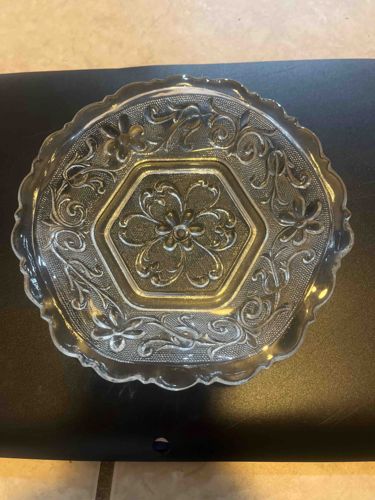
Submitted item photo
Submitted photo · June 8, 2026

User's notes

No additional notes provided.

AI analysis below

AI appraisal

AI analysis & estimate

AI-Generated · Verify before acting

Everything below is generated by AI for informational purposes only. AI can make mistakes — the AI may misidentify items or misattribute them (artist, maker, brand, designer, origin, era). This is not an official valuation and should not be used for insurance, sale, tax, estate, legal, or lending purposes — or any decision requiring a certified appraisal. It is not an authoritative claim about any person, brand, or rights holder — do not share or rely on it as a factual statement about a third party. Always consult qualified professionals before making financial decisions.

Read the full disclaimer

AI Identification

·Not independently authenticated·Verify before acting

Clear Pressed Glass Scalloped Dish

Glassware

AI Estimated Value

·Not an official valuation·Verify before acting

$15-30

As of June 8, 2026

AI Item Analysis

·AI can make mistakes·Verify before acting
This is a clear pressed glass dish, likely intended for serving or decorative purposes. The dish features a distinctive scalloped rim, which adds a decorative edge. Its central motif is an impressed hexagonal design, within which a detailed floral pattern is visible. Surrounding this central hexagon, the main body of the dish is adorned with an intricate, repeating scroll and floral pattern, embossed into the glass. The background texture of these embossed areas appears to be stippled or stippled, providing a matte contrast to the smooth, raised elements. The glass itself is transparent, allowing light to pass through, and appears to be in generally good condition with no immediately obvious chips or cracks. Given the style of the pressed glass and the decorative patterns, it likely dates from the late 19th to mid-20th century, a popular period for such glassware. There are no visible maker's marks or signatures in the provided image. The craftsmanship is typical of pressed glass manufacturing from this era, characterized by mold-made designs that offer both aesthetic appeal and utilitarian function. The overall appearance suggests a durable and functional piece of tableware or decor.

AI Appraisal Report

·AI can make mistakes·Verify before acting
Upon examining the provided image of this clear pressed glass scalloped dish, I assess its overall condition as good, with no overt chips, cracks, or significant damage immediately discernible. The pressing quality appears consistent with mass-produced glassware of its likely era. The detailed hexagonal floral motif and surrounding scrollwork with stippled background are typical decorative elements found in late 19th to mid-20th century American pressed glass. Authenticity, based on visual cues alone, strongly suggests it is an authentic piece of period pressed glass. However, without physical examination, I cannot confirm the absence of hairline cracks, fleabites, or internal flaws. A hands-on inspection would also allow for precise measurements and a more thorough search for manufacturing imperfections or wear consistent with its age. The market for common pressed glass pieces like this is generally stable but not exceptionally strong. Comparable items, often referred to as 'Early American Pattern Glass' (EAPG) or similar 'Depression Glass' era pieces, typically fetch modest prices. Factors impacting value include pattern rarity, manufacturer (if identifiable), color (clear is common), and condition. This particular piece's clear glass and common decorative style place it in a widely available category. Demand is primarily from casual collectors, individuals furnishing period homes, or those seeking decorative accessories. Rarity is low for such common pressed glass patterns. The lack of a visible maker's mark also limits its potential for higher valuation, as branded pieces often command more. To fully authenticate manufacturer or pattern, an in-person examination would be needed to compare the pattern against known EAPG catalogs or specialist databases. Additionally, a UV light test could reveal repairs or alterations not visible to the naked eye. Given the current market conditions and my visual assessment, the appeal of this piece lies more in its decorative charm and historical context as a functional object rather than its investment potential.

Get your items appraised

Instant estimates of your treasures with AI-powered appraisals

Browse More Appraisals