AI identification & appraisal estimate

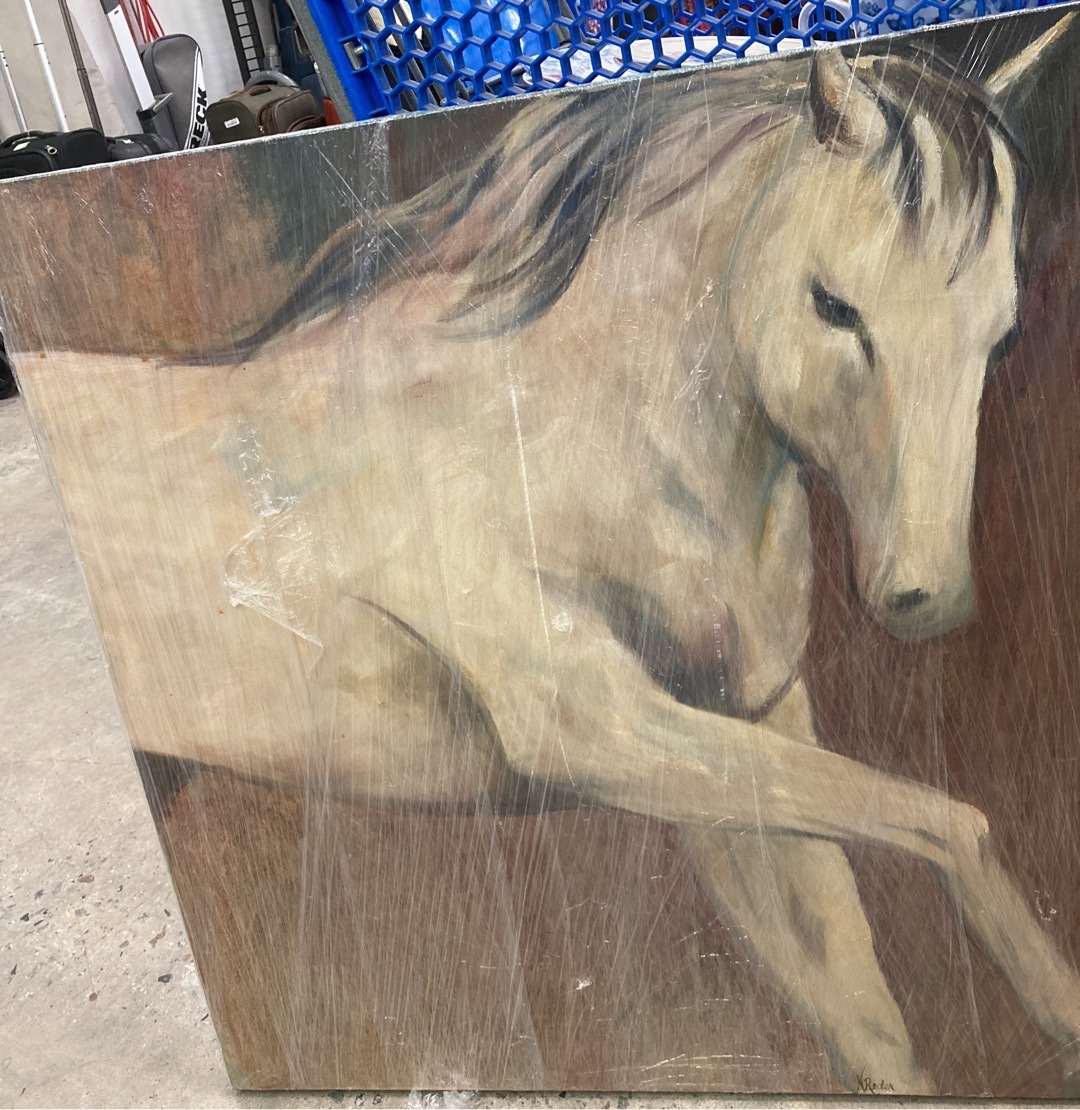
Oil painting of a horse signed 'N. Rader'

Submitted photo of Oil painting of a horse signed 'N. Rader'
Photo submitted by the user — not generated by AI

User's notes

Signed N Rider or Reder or Rader

These notes were written by the person who submitted this item. Appraiser.AI has not verified them, and the AI's identification and estimate may rely on them.

AI Estimated Value

Not an official valuation

$300-$600

AI estimate as of August 29, 2026 · verify with a professional before acting

AI-Generated · Verify before acting

Everything on this page is generated by AI for informational purposes only. AI can make mistakes — the AI may misidentify items or misattribute them (artist, maker, brand, designer, origin, era). This is not an official valuation and should not be used for insurance, sale, tax, estate, legal, or lending purposes — or any decision requiring a certified appraisal. It is not an authoritative claim about any person, brand, or rights holder — do not share or rely on it as a factual statement about a third party. Always consult qualified professionals before making financial decisions.

This analysis also relies on unverified notes provided by the user, which may be incomplete or inaccurate and could affect the result.

Read the full disclaimer

AI Item Analysis

This artwork is an oil painting on canvas featuring a dynamic, close-up composition of a light-colored horse, depicted in motion against a muted brown and earthy background. The physical characteristics include visible brushwork and a textured application of oil paint, dominated by off-white, cream, grey, and dark brown tones that define the horse's musculature, mane, and facial structure. The artwork is currently wrapped in a clear plastic protective film, which creates surface glare and reflections across the piece. A signature is visibly inscribed in the lower right corner, reading 'N. Rader' or a similarly spelled surname. Regarding visible condition issues, the painting appears largely intact beneath the protective plastic wrapping, though the wrap itself shows creases, surface scuffs, and minor handling wear; the condition of the underlying canvas cannot be fully assessed without removing the plastic. The style is suggestive of mid-to-late 20th-century equine portraiture or regional academic painting, displaying moderate skill in capturing movement and light on the animal's coat. The attribution in the item name rests directly on the legible signature visible at the lower right. The owner has provided additional context suggesting the signature might read 'N Rider or Reder or Rader', which remains unverified. As with all artworks encountered in secondary markets, this piece is unauthenticated.

AI Appraisal Report

Per user submission, the owner identifies this piece as an oil painting bearing a signature reading 'N Rider or Reder or Rader'. Based on what I can see in the photograph, the artwork is an oil painting on canvas featuring a dynamic, close-up composition of a light-colored horse against an earthy background, displaying visible brushwork and a textured application of paint. I can't verify from a photo whether the signature is contemporary to the work or if the attribution is correct, as visible markings can be misleading. Furthermore, the piece is currently wrapped in a clear plastic protective film, creating surface glare and hiding minor handling wear or surface flaws on the underlying canvas, meaning I would need physical inspection to confirm the actual state of preservation. The estimated value range of $300-$600 assumes the attribution to 'N. Rader' is correct, reflecting typical secondary market demand for mid-to-late 20th-century regional equine portraiture of moderate technical skill. If the piece is ultimately determined to be a reproduction, a copy, or merely in the style of the named artist rather than an autograph work, the market value would decrease significantly, likely falling into the $75-$150 decorative bracket. To establish the true value and clarify authorship, the painting would require in-person examination by a fine art conservator, research into regional exhibition records or provenance documentation, and formal authentication by an established art expert.

Keep exploring

More fine art appraisals

Get your items appraised

Instant AI-powered appraisal estimates from a photo

Browse More Appraisals