AI identification & appraisal estimate

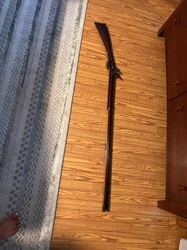
Antique Flintlock Rifle

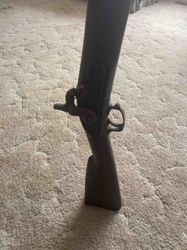
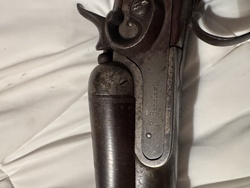
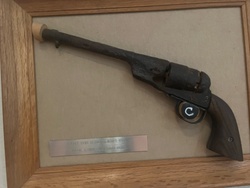
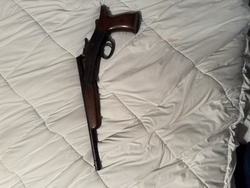
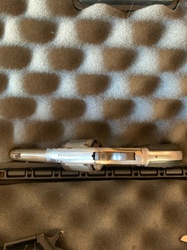
Submitted photo of Antique Flintlock Rifle
Photo submitted by the user — not generated by AI

User's notes

Flintlock rifle 18-19th

These notes were written by the person who submitted this item. Appraiser.AI has not verified them, and the AI's identification and estimate may rely on them.

AI Estimated Value

Not an official valuation

$150 - $300

AI estimate as of September 3, 2025 · verify with a professional before acting

AI-Generated · Verify before acting

Everything on this page is generated by AI for informational purposes only. AI can make mistakes — the AI may misidentify items or misattribute them (artist, maker, brand, designer, origin, era). This is not an official valuation and should not be used for insurance, sale, tax, estate, legal, or lending purposes — or any decision requiring a certified appraisal. It is not an authoritative claim about any person, brand, or rights holder — do not share or rely on it as a factual statement about a third party. Always consult qualified professionals before making financial decisions.

This analysis also relies on unverified notes provided by the user, which may be incomplete or inaccurate and could affect the result.

Read the full disclaimer

AI Item Analysis

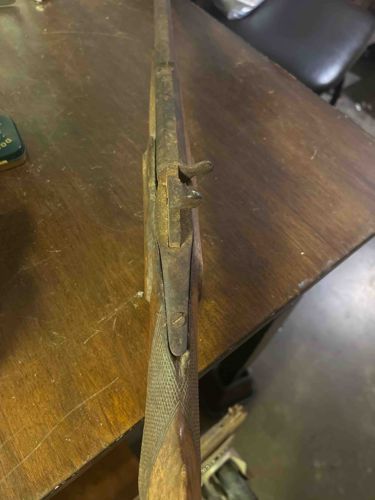
This item appears to be an antique flintlock rifle, likely dating from the 18th or 19th century as suggested. The primary materials are wood for the stock and iron/steel for the barrel and lock mechanism. The visible stock segment, near the trigger guard area, exhibits a checkered pattern, typically found on higher-quality firearms to provide a better grip. The wood stock shows significant dark discoloration, consistent with age, oil exposure, and handling, but no obvious cracks or breaks are immediately apparent from this view. The metal components, including what appears to be the trigger guard and parts of the lock mechanism, are heavily oxidized with a deep, reddish-brown rust patina, indicating prolonged exposure to moisture or neglect. The surface texture of the metal is rough and pitted due to corrosion. The flintlock mechanism itself is severely rusted, making it difficult to discern specific details of its components, such as the hammer or frizzen, or to assess its functional integrity. There are no visible maker's marks or distinguishing engravings discernible due to the heavy corrosion and the angle of the photograph. The overall condition suggests that the rifle is in a distressed state, requiring significant restoration if functionality were to be considered or if its aesthetic value is to be enhanced. It is a historical piece, evidencing the wear and tear of centuries, likely a surviving artifact rather than a well-maintained or recently used weapon. The craftsmanship, particularly the checkering on the stock, suggests it was not a rudimentary piece, although its current deteriorated state masks finer details.
AI Appraisal Report

Upon visual examination of this flintlock rifle, purportedly from the 18th or 19th century, its condition is best described as relic or 'attic' grade. The primary materials are consistent with the era, featuring a wood stock and iron/steel components. The checkering visible on the stock suggests it was originally a firearm of reasonable quality, not a basic military or trade gun. However, the item's value is severely impacted by its current state. The metal parts, including the barrel and the entire lock mechanism, exhibit extensive and deep corrosion (heavy rust and pitting), obscuring any potential maker's marks, proof marks, or decorative engravings that would be critical for identification and valuation. The lock appears frozen and non-functional. The market for antique firearms values condition, rarity, and historical significance above all. While authentic flintlock rifles can command high prices, examples in this distressed condition are primarily sought as decorative 'wall hangers' or for parts. The current market value for unidentified, non-functional, and heavily corroded flintlock rifles of this type is quite low. Without any provenance or discernible markings, it must be appraised as a generic decorative artifact. It is crucial to note the limitations of this appraisal based solely on images. I cannot definitively confirm its authenticity, age, or origin. A full appraisal would necessitate a careful in-person examination to search for hidden markings under the rust, disassemble the piece to inspect the barrel and lock internals, measure the bore, and assess the integrity of the wood. Verifying provenance through documentation would significantly alter the value. As it stands, its value lies in its rustic aesthetic rather than its historical or functional merit.

Keep exploring

More firearms - antique appraisals

Get your items appraised

Instant AI-powered appraisal estimates from a photo

Browse More Appraisals