AI Appraisal Estimate

AI-generated estimates · not official valuations

From the user

What was submitted

Photo and notes provided by the user — not generated by AI

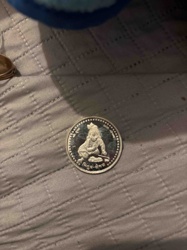
Submitted item photo
Submitted photo · May 30, 2026

User's notes

No additional notes provided.

AI analysis below

AI appraisal

AI analysis & estimate

AI-Generated · Verify before acting

Everything below is generated by AI for informational purposes only. AI can make mistakes — the AI may misidentify items or misattribute them (artist, maker, brand, designer, origin, era). This is not an official valuation and should not be used for insurance, sale, tax, estate, legal, or lending purposes — or any decision requiring a certified appraisal. It is not an authoritative claim about any person, brand, or rights holder — do not share or rely on it as a factual statement about a third party. Always consult qualified professionals before making financial decisions.

Read the full disclaimer

AI Identification

·Not independently authenticated·Verify before acting

Spanish Piece of Eight Cob Coin with Certificate of Authenticity

Numismatics and Treasure Artifacts

AI Estimated Value

·Not an official valuation·Verify before acting

$450 - $650

As of May 30, 2026

AI Item Analysis

·AI can make mistakes·Verify before acting
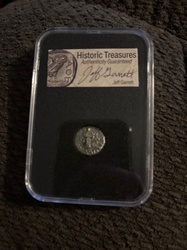
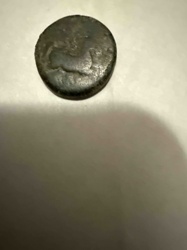
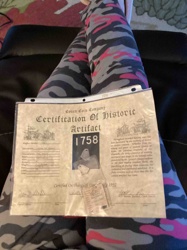
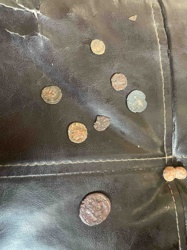
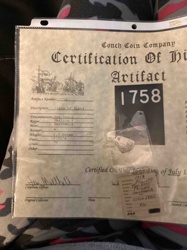
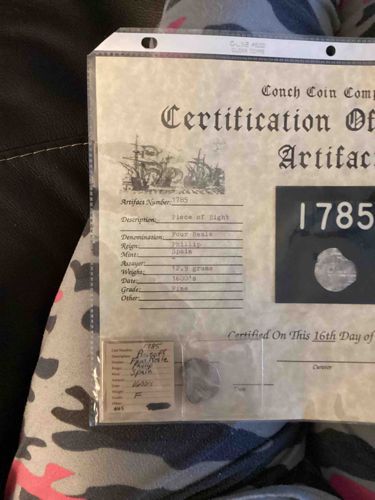
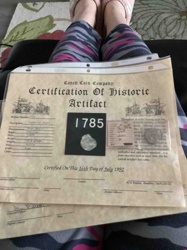
This item is a 17th-century Spanish silver 'cob' coin, identified as a Piece of Eight, accompanied by a 'Certification of Artifact' from the Conch Coin Company. The coin itself is a Four Reals denomination, weighing approximately 12.9 grams. It features an irregular, hand-struck shape characteristic of 1600s silver cobs, which were crudely fashioned from cross-sections of silver bars. The metal displays a dark, aged patina typical of salvaged sunken treasure. According to the document, the coin dates to the reign of King Philip of Spain. It is housed in a clear protective sleeve alongside a small identification card and a larger formal certificate with artifact number 1785. The certificate includes illustrations of galleons and technical specifications typed onto the form, including the mint location in Spain and a grade of 'Fine'. While the coin shows significant wear and an uneven strike that obscures certain details of the coat of arms and cross, its irregular 'macuquina' style remains highly visible, indicating its origin as colonial currency. The documentation suggests it originated from a maritime archaeological context or shipwreck recovery.
AI Appraisal Report

·AI can make mistakes·Verify before acting
I have carefully examined the 17th-century Spanish silver 4 Reals 'Piece of Eight' cob coin and its accompanying documentation. Visually, the piece exhibits the characteristic 'macuquina' irregular silhouette consistent with hand-struck silver bars of the Philip era. The dark oxidation and surface pitting are indicative of saltwater immersion, common in maritime archaeological finds. While the 'Fine' grade noted in the certificate is subjective, the visible cross and partial coat of arms remain identifiable despite the crude strike. In the current numismatic market, shipwreck-salvage cobs command a premium over mainland-traded coins due to their romantic 'treasure' narrative. This specific 4 Reals denomination is moderately rare, though less sought after than the larger 8 Reals size. The Conch Coin Company documentation adds to its commercial appeal for casual collectors, though serious numismatists often seek certification from Tier-1 graders like NGC or PCGS. The value of this item is primarily driven by its provenance and historical appeal. However, verification from images alone has significant limitations. A physical examination is required to determine the metal's specific gravity and look for contemporary 'casting bubbles' that would indicate a counterfeit. Furthermore, while the certificate lists artifact number 1785, further research into specific shipwreck wreck manifests (such as the Atocha or 1715 Fleet) would be necessary to link this coin to a specific historical event, which could potentially double its valuation. Without third-party grading or more robust archaeological provenance, the valuation remains in the mid-range for colonial-era cob currency.

Get your items appraised

Instant estimates of your treasures with AI-powered appraisals

Browse More Appraisals