AI identification & appraisal estimate

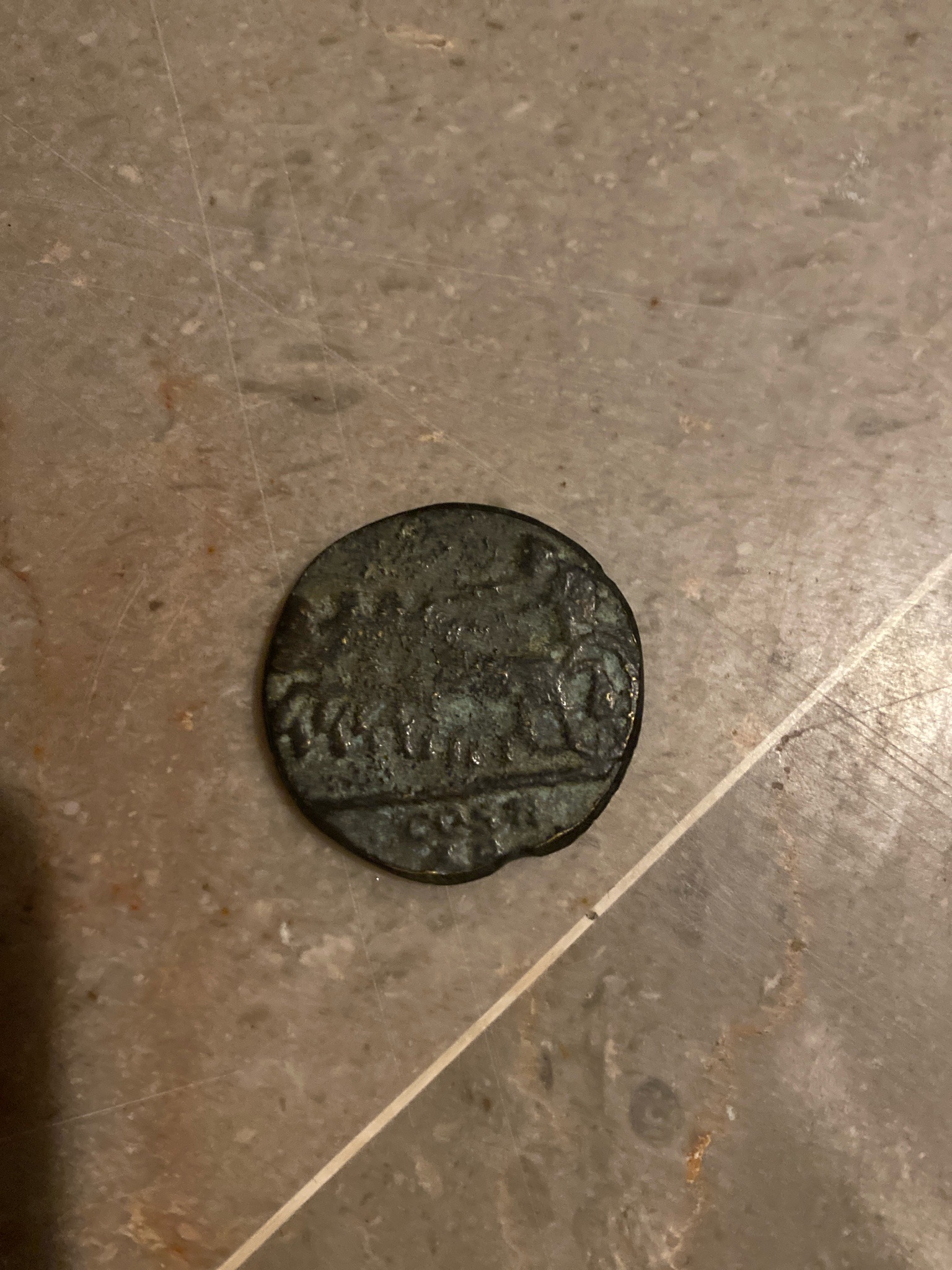
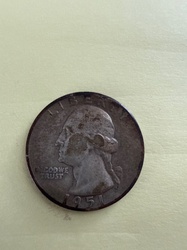
Weathered bronze-style coin or medallion consistent with Roman-era coinage

Submitted photo of Weathered bronze-style coin or medallion consistent with Roman-era coinage
Photo submitted by the user — not generated by AI

AI Estimated Value

Not an official valuation

$40-$120 (Assuming Ancient Origin)

AI estimate as of July 5, 2026 · verify with a professional before acting

AI-Generated · Verify before acting

Everything on this page is generated by AI for informational purposes only. AI can make mistakes — the AI may misidentify items or misattribute them (artist, maker, brand, designer, origin, era). This is not an official valuation and should not be used for insurance, sale, tax, estate, legal, or lending purposes — or any decision requiring a certified appraisal. It is not an authoritative claim about any person, brand, or rights holder — do not share or rely on it as a factual statement about a third party. Always consult qualified professionals before making financial decisions.

Read the full disclaimer

AI Item Analysis

This object is a small, circular medallion or coin appearing to be made of a weathered base metal, likely a copper alloy such as bronze. The surface exhibits significant darkening and a characteristic green oxidation (verdigris) across the relief and recesses, suggesting substantial age or environmental exposure. The reverse of the object, as shown, features a low-relief depiction of a horse-drawn chariot (quadriga or biga) driven by a figure, which is a motif stylistically consistent with Roman-era coinage or later commemorative reproductions. There is a horizontal ground line below the chariot, and below that, a section (exergue) containing what appears to be worn, illegible lettering or numerals. The edges are irregular and the strike is off-center, typical of manually hammered coins. The condition is heavily worn with significant loss of detail and surface pitting, making a specific catalog identification impossible from this image alone. Without a physical inspection to verify weight, diameter, and metal composition, it cannot be determined if this is a piece from antiquity or a later casting. The identification is based on visual motifs that are consistent with classical numismatic styles.
AI Appraisal Report

Based on the provided image, I have examined this small medallion or coin which appears to be composed of a weathered copper alloy or bronze. The reverse features a chariot motif that is stylistically consistent with Roman-era coinage; however, I cannot verify the age or metal composition from a photograph alone. The significant surface pitting, verdigris, and loss of detail make a specific catalog identification impossible at this time. The value of $40-$120 is an estimate for a worn, low-grade Roman bronze coin of this general type. If the piece is a later commemorative souvenir or a cast reproduction in the style of an ancient coin, its value would likely drop below $10. Determination of value is heavily dependent on whether the item is from antiquity or a modern imitation. To confirm the origin of the piece, a physical inspection is necessary to check for casting bubbles or seams, and to measure the weight and diameter against known numismatic standards. Professional scientific testing of the metal alloy and provenance documentation would also be required to support an ancient attribution. Given the current condition and lack of identifying marks, the market for such items is generally limited to collectors of 'as-found' antiquities or those interested in teaching specimens. High-grade examples with legible legends would command significantly higher prices in the numismatic market, but the heavy wear and off-center strike observed here significantly limit the upside potential.

Keep exploring

More coins and numismatics appraisals

Get your items appraised

Instant AI-powered appraisal estimates from a photo

Browse More Appraisals