AI identification & appraisal estimate

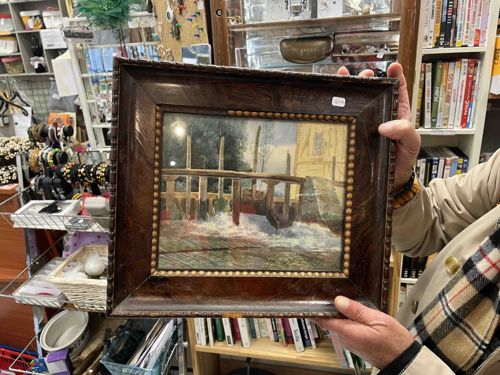
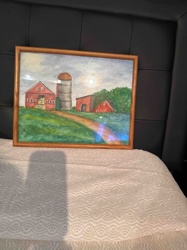
Framed Watercolor Painting of a Water Mill Scene

Submitted photo of Framed Watercolor Painting of a Water Mill Scene
Photo submitted by the user — not generated by AI

AI Estimated Value

Not an official valuation

$100-200

AI estimate as of November 14, 2025 · verify with a professional before acting

AI-Generated · Verify before acting

Everything on this page is generated by AI for informational purposes only. AI can make mistakes — the AI may misidentify items or misattribute them (artist, maker, brand, designer, origin, era). This is not an official valuation and should not be used for insurance, sale, tax, estate, legal, or lending purposes — or any decision requiring a certified appraisal. It is not an authoritative claim about any person, brand, or rights holder — do not share or rely on it as a factual statement about a third party. Always consult qualified professionals before making financial decisions.

Read the full disclaimer

AI Item Analysis

This item is a framed watercolor painting depicting a water mill scene. The painting itself appears to be a landscape, possibly featuring a building with a water wheel or similar mechanism, with turbulent water in the foreground, suggesting movement. The colors used in the painting are muted, with greens, blues, browns, and hints of red, creating a somewhat rustic or historical aesthetic. The artwork is enclosed within a rectangular frame made of dark wood, likely stained or varnished to achieve its deep brown, almost bordeaux, hue. The frame features a decorative, perhaps carved or molded, inner border with a series of small, uniform, gold-colored beads or studs, adding a touch of embellishment. The overall style of the frame suggests an age that could range from late 19th to early 20th century, or a reproduction in that style. There are no clear visible artist's signatures or specific manufacturing marks on the front of the piece. The condition of the frame appears relatively good, showing some minor wear consistent with age and handling. The watercolor medium often presents a challenge in terms of preservation due to its susceptibility to light and moisture; however, the colors visible through the glass appear to retain some vibrancy. The glass covering the artwork helps protect it from environmental damage. The size appears to be medium, suitable for wall hanging or display on a shelf. The craftsmanship of the frame seems decent, with a polished finish and attention to detail in the beaded trim. There is a small white price tag visible in the upper right corner of the frame, indicating it is likely for sale in a retail setting.

AI Appraisal Report

Upon visual examination of the provided image, I assess this framed watercolor painting of a water mill scene. The painting's condition appears fair, with colors retaining some vibrancy, which is positive for a watercolor. The dark wooden frame, with its decorative gold-beaded inner trim, suggests an age from the late 19th to early 20th century or a good reproduction. The frame shows minor wear consistent with its presumed age. Authenticity based solely on visual evidence from a photograph is limited; there are no visible artist's signatures or identifying marks. Without closer inspection, the artist, exact date, and origin remain unknown. Market conditions for unsigned landscape watercolors of this type are generally modest. While charming, the lack of a known artist or significant historical attribution limits its appeal to a broader collector's market. Comparables for unsigned, decorative landscape watercolors in good condition typically range from $80 to $250. Demand tends to be for decorative purposes rather than as a fine art investment. The item is neither rare nor unique in its subject matter or style. Factors significantly impacting value include the unknown artist and lack of provenance. A clear artist's signature or documented history would substantially increase its value. Limitations in authenticity verification from images alone are significant. A physical, in-person examination would be crucial to inspect for a hidden signature on the artwork or frame, assess the paper quality, pinpoint the exact medium, and verify the age of the materials. Provenance documentation, such as sales records or exhibition history, would be essential for full authentication. Scientific testing of pigments or paper might be required to confirm age and origin definitively attribute it to a specific period or artist if a signature were present but questionable.

Keep exploring

More art and collectibles appraisals

Get your items appraised

Instant AI-powered appraisal estimates from a photo

Browse More Appraisals