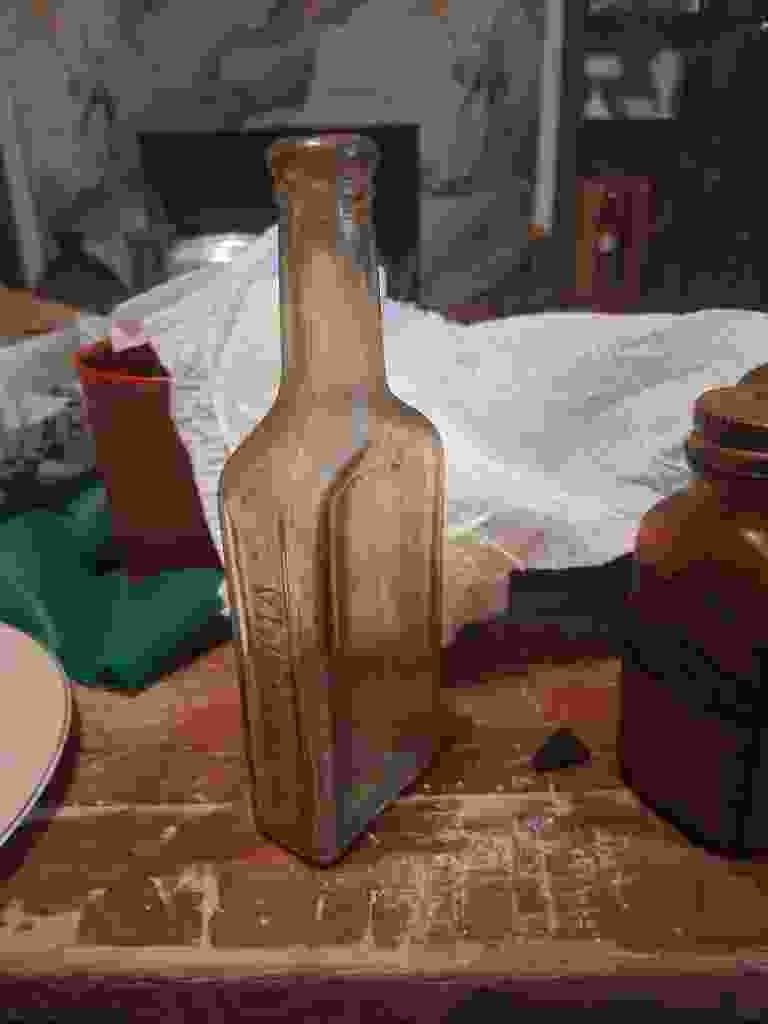
Antique Embossed Amber Glass Medicine Bottle
Antique Glassware / Collectibles

Antique Embossed Amber Glass Medicine Bottle

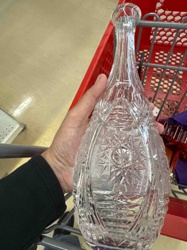
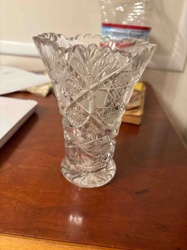
This is an antique medicine bottle, typically dating from the late 19th to early 20th century (Victorian or Edwardian eras). It is constructed from a translucent amber or honey-brown glass, featuring a rectangular body with beveled edges and a tall, slender neck ending in a hand-applied or machine-molded double-ring finish. The bottle is approximately 6 to 8 inches in height. One of the side panels shows faint vertical embossing, characteristic of proprietary patent medicines or druggist supplies from this era. The glass exhibits internal bubbles known as 'seeds' and slight 'sick glass' or iridescence, which occurs due to mineral leaching from long-term burial or storage in humid conditions. This patina is quite common in excavated antique bottles. There are no major cracks visible, but minor flea bites or surface scratches consistent with its age and utilitarian origin are present. The craftsmanship reflects the mass-production techniques of early glassworks, likely using a two-piece mold based on the visible side seams. The piece lacks its original cork or paper label, but retains a strong aesthetic appeal due to its warm coloration and classic architectural shape.
Estimated Value

$25.00-$45.00

Basic Information

Category

Antique Glassware / Collectibles

Appraised On

April 15, 2026

Estimated Value

$25.00-$45.00

Item Description

This is an antique medicine bottle, typically dating from the late 19th to early 20th century (Victorian or Edwardian eras). It is constructed from a translucent amber or honey-brown glass, featuring a rectangular body with beveled edges and a tall, slender neck ending in a hand-applied or machine-molded double-ring finish. The bottle is approximately 6 to 8 inches in height. One of the side panels shows faint vertical embossing, characteristic of proprietary patent medicines or druggist supplies from this era. The glass exhibits internal bubbles known as 'seeds' and slight 'sick glass' or iridescence, which occurs due to mineral leaching from long-term burial or storage in humid conditions. This patina is quite common in excavated antique bottles. There are no major cracks visible, but minor flea bites or surface scratches consistent with its age and utilitarian origin are present. The craftsmanship reflects the mass-production techniques of early glassworks, likely using a two-piece mold based on the visible side seams. The piece lacks its original cork or paper label, but retains a strong aesthetic appeal due to its warm coloration and classic architectural shape.
Get Your Items Appraised

Instant estimates of your treasures with AI-powered instant appraisals

Browse More Appraisals