AI Appraisal Estimate

AI-generated estimates · not official valuations

From the user

What was submitted

Photo and notes provided by the user — not generated by AI

Submitted item photo
Submitted photo · May 23, 2026

User's notes

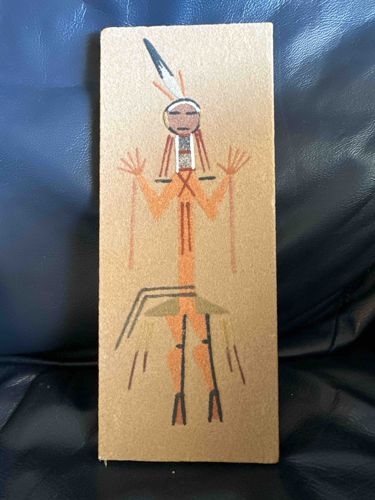
Navajo sand painting 4”x10”

AI analysis below

AI appraisal

AI analysis & estimate

AI-Generated · Verify before acting

Everything below is generated by AI for informational purposes only. AI can make mistakes — the AI may misidentify items or misattribute them (artist, maker, brand, designer, origin, era). This is not an official valuation and should not be used for insurance, sale, tax, estate, legal, or lending purposes — or any decision requiring a certified appraisal. It is not an authoritative claim about any person, brand, or rights holder — do not share or rely on it as a factual statement about a third party. Always consult qualified professionals before making financial decisions.

Note

This analysis also relies on unverified notes provided by the user, which may be incomplete or inaccurate and could affect the result.

Read the full disclaimer

AI Identification

·Not independently authenticated·Verify before acting

Navajo Sand Painting of a Yeii Male Deity

Native American Art / Indigenous Souvenirs

AI Estimated Value

·Not an official valuation·Verify before acting

$45 - $75

As of May 23, 2026

AI Item Analysis

·AI can make mistakes·Verify before acting
This is a traditional Navajo (Diné) sand painting measuring 4 by 10 inches, depicting a Yeii Spirit figure, likely a Male God. The artwork is constructed using finely ground minerals and naturally colored sands adhered to a rectangular board. The central figure features a tall, slender orange body with stylized black and grey geometric accents, hands raised in a characteristic prayer or blessing position. The head is detailed with a white feather, a blackened face, and a silver-glittered neck piece, which is a common modern aesthetic addition. The color palette includes earth tones—terracotta, tan, grey, black, and white—against a uniform tan sand background. The craftsmanship shows precise, steady line work typical of twentieth-century commercial sand art produced for the tourism market. Condition appears good with sharp corners and no visible loss of the sandy medium, though there is a minor white mark at the very bottom left corner. This style of 'secular' sand painting emerged in the mid-20th century, evolving from sacred ceremonial practices into a recognized fine art form. While it lacks a visible signature on the front, such pieces often carry identification on the reverse.
AI Appraisal Report

·AI can make mistakes·Verify before acting
Based on my examination of the 4x10 inch Navajo (Diné) sand painting, I have determined this to be a classic example of MID-20th-century secular tourist art. The piece depicts a Male Yeii deity, rendered with steady, professional line work typical of artisans working for commercial galleries or trading posts between 1970 and 1990. The use of natural mineral sands is consistent with traditional methods, though the inclusion of 'silver-glitter' elements identifies this as a modern decorative piece rather than a sacred ceremonial item. The condition is excellent; the integrity of the sand medium is well-preserved with no significant 'shedding' or moisture damage, which often plagues older boards. The minor mark on the bottom left appears to be a surface-level scuff that does not detach from the aesthetic value. Market-wise, these 'standard slender' sizes are common in the secondary market. High-end valuation is reserved for larger, signed works by known families (such as the Wayside or Joe families). Because this piece lacks a visible signature on the front, its value relies on its decorative appeal and representative nature of Diné craftsmanship. Limitations: This appraisal is based on photographic evidence. A physical inspection is required to confirm the board’s substrate material and to check the reverse for a signature or 'certifying' stamp from a known trading post. Authentic provenance or a bill of sale from a reputable gallery would solidify the higher end of the valuation. Since sacred sand paintings are traditionally destroyed after ceremonies, the 'authenticity' here refers to its status as a handmade cultural craft produced for the public, rather than a religious artifact.

Get your items appraised

Instant estimates of your treasures with AI-powered appraisals

Browse More Appraisals