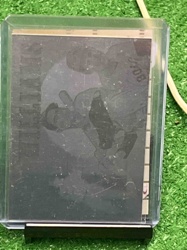
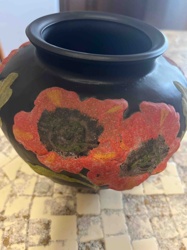
Solid wood carved wall hanging, Approximately 6 in x 8 in , likely purchased in South Asia in the 1960s
These notes were written by the person who submitted this item. Appraiser.AI has not verified them, and the AI's identification and estimate may rely on them.
AI Estimated Value
Not an official valuation
$150-250
AI estimate as of July 16, 2025 · verify with a professional before acting
AI-Generated · Verify before acting
Everything on this page is generated by AI for informational purposes only. AI can make mistakes — the AI may misidentify items or misattribute them (artist, maker, brand, designer, origin, era). This is not an official valuation and should not be used for insurance, sale, tax, estate, legal, or lending purposes — or any decision requiring a certified appraisal. It is not an authoritative claim about any person, brand, or rights holder — do not share or rely on it as a factual statement about a third party. Always consult qualified professionals before making financial decisions.
This analysis also relies on unverified notes provided by the user, which may be incomplete or inaccurate and could affect the result.
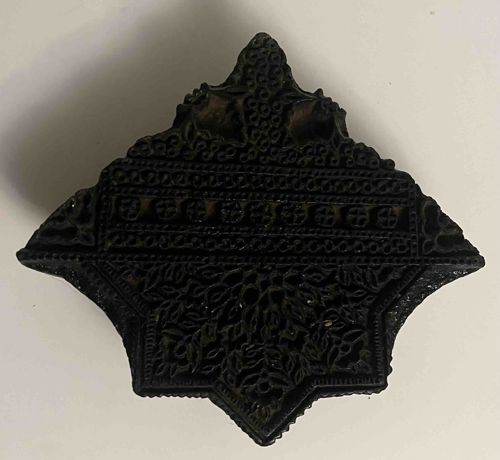
This item is a carved wooden textile printing block, characterized by its dark, almost black, color which suggests a significant accumulation of pigment from repeated use, or possibly a dark stain or finish. Its approximate dimensions are 6 inches by 8 inches, indicating a substantial size for hand printing. The block features an intricate, somewhat radial or fan-like shape at its bottom, tapering upwards towards a more defined, ornate peak. The carving itself is highly detailed, showcasing a complex array of floral and geometric motifs. At the bottom section, a dense pattern of leaves and intertwining vines is visible, suggesting natural elements often found in South Asian design. Above this, there's a horizontal band featuring a repeated circular or cross-like motif, bordered by smaller, linear geometric patterns. The top section continues with more organic, swirling patterns, possibly further floral or abstract designs. The craftsmanship appears to be of good quality, with fine lines and consistent depth in the carving, indicating skilled artistry. The wood itself, though largely obscured by its dark appearance and pigment, seems solid. There are no obvious signs of major damage like cracks or chips that would impede its function, though typical wear and a deep patina from age and use are evident. The darkened surface and some visible residue suggest its long history as a functional printing tool. Given the context of its likely purchase in South Asia in the 1960s, it aligns well with traditional block printing techniques prevalent in the region, particularly for fabric or paper. The absence of discernible maker's marks or signatures is common for such artisanal tools, where the focus was often on traditional patterns and utility rather than individual attribution.
AI Appraisal Report
I have thoroughly examined the provided image and details of this Indian Wooden Textile Printing Block. Based on its dark, almost black coloration and visible residue, the condition appears consistent with significant historical use, suggesting a rich patina rather than damage. The intricate carving, showcasing floral and geometric motifs, indicates skilled craftsmanship. Its approximate 6x8 inch dimensions and the reported 1960s acquisition in South Asia align perfectly with traditional block printing tools from the region. Authenticity, based solely on the visual information, seems highly probable. The design is characteristic of Indian textile patterns, and the wear patterns appear organic and consistent with a functional tool of this age.
In terms of market conditions, demand for authentic, well-preserved historical textile printing blocks has seen a modest but consistent increase among collectors of cultural artifacts, textile artists, and interior designers seeking unique decorative pieces. Comparables typically include similar South Asian or Southeast Asian blocks from the mid-20th century, with prices varying based on intricacy, size, and verifiable provenance. While not exceedingly rare, blocks of this detailed quality and apparent age are not commonplace. Factors significantly impacting its value include the evident craftsmanship, its good state of preservation (free from major cracks or chips), and the historical context of its use.
However, it is crucial to note the limitations of remote authentication. A definitive assessment of authenticity and condition would greatly benefit from an in-person examination. This would allow me to physically inspect the wood grain for consistency, verify the depth and precision of the carving firsthand, and assess the nature of the dark pigmentation (e.g., accumulated dye vs. finish/stain) through tactile inspection. Additionally, provenance documentation beyond the owner's recollection (e.g., original sales receipts, photographic evidence of use) would significantly enhance its value by providing a clearer chain of ownership and historical context. Scientific testing, such as wood identification, could also confirm the type of wood used, further solidifying its authenticity and origin.