AI identification & appraisal estimate

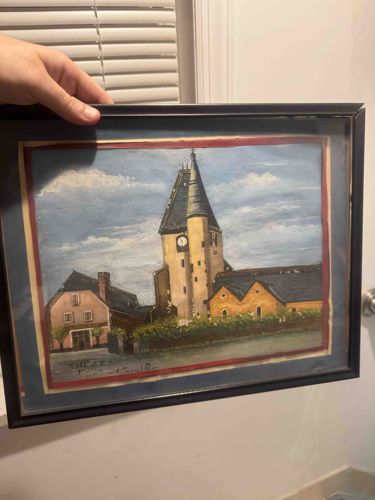
Framed Watercolor Painting of a European Village Scene

Submitted photo of Framed Watercolor Painting of a European Village Scene
Photo submitted by the user — not generated by AI

AI Estimated Value

Not an official valuation

$100-300

AI estimate as of October 22, 2025 · verify with a professional before acting

AI-Generated · Verify before acting

Everything on this page is generated by AI for informational purposes only. AI can make mistakes — the AI may misidentify items or misattribute them (artist, maker, brand, designer, origin, era). This is not an official valuation and should not be used for insurance, sale, tax, estate, legal, or lending purposes — or any decision requiring a certified appraisal. It is not an authoritative claim about any person, brand, or rights holder — do not share or rely on it as a factual statement about a third party. Always consult qualified professionals before making financial decisions.

Read the full disclaimer

AI Item Analysis

This item is a framed watercolor painting depicting a quaint European village scene, likely featuring a church with a prominent clock tower and surrounding buildings. The painting is enclosed in a simple black wooden or composite frame with a visible glass or acrylic glazing protecting the artwork. The scene itself is characterized by a central tall, beige-colored stone tower with a dark, conical roof, indicating an old church or civic building. A small clock face is visible on one side of the tower. Adjacent to the tower on the left is a two-story pinkish-orange building with dark windows and a gabled roof. To the right of the tower, there are lower-lying buildings with dark roofs and ochre-colored walls, nestled amidst green foliage. The sky is a light blue with feathery white clouds, suggesting a pleasant day. The artwork itself is matted with a multi-layered border; an inner thin cream border, followed by a red stripe, and then a wider dark blue border before reaching the frame. The brushwork appears somewhat detailed, particularly in rendering the architectural elements and the texture of the buildings. There are visible signatures or inscriptions in the lower left corner of the painting, though they are difficult to decipher from the image, possibly 'TREZE' or similar, followed by other script. The overall condition appears good, with no obvious signs of significant damage to the painting itself, though minor scuffs or dust might be present on the frame or glazing due to handling. The style suggests a traditional European landscape or architectural painting, possibly from the mid-20th century or later.

AI Appraisal Report

Based on my visual examination of the provided image, this framed watercolor painting of a European village scene appears to be in good overall condition. The artwork itself shows no obvious signs of damage such as tears, significant fading, or water stains. The matting and frame also appear well-maintained, though minor surface anomalies like dust or scuffs are possible. The style is traditional, reflective of European landscape or architectural art, likely from the mid-20th century to contemporary. The visible signature, potentially 'TREZE', is an important detail, but deciphering it and identifying the artist definitively from the image alone is impossible. Market conditions for unsigned or little-known artist watercolors of this type are generally modest. While charming, these pieces do not typically command high prices unless the artist is established or the work has exceptional provenance. Comparable sales for decorative European village scene watercolors by unidentified or regional artists often fall within the $100-$300 range, especially when framed. Demand for such pieces is steady but not particularly high, often driven by interior decorating needs rather than investment purposes. Rarity is not a significant factor here; similar works are commonly found in secondary markets. The primary factor significantly impacting value is the artist's identity. If 'TREZE' or the actual artist were a recognized name, the value would increase substantially. Without definitive identification, it's valued as a decorative piece. For full authentication and accurate valuation, an in-person examination is crucial to assess the true condition, verify the medium, and closely inspect the signature. Provenance documentation, such as purchase receipts or exhibition history, would also be invaluable in establishing authenticity and origin. Without these, any authenticity claim based solely on the image is speculative.

Keep exploring

More art painting appraisals

Get your items appraised

Instant AI-powered appraisal estimates from a photo

Browse More Appraisals