AI Appraisal Estimate

AI-generated estimates · not official valuations

From the user

What was submitted

Photo and notes provided by the user — not generated by AI

Submitted item photo
Submitted photo · June 1, 2026

User's notes

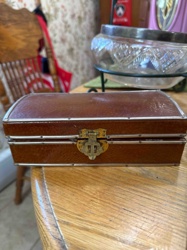
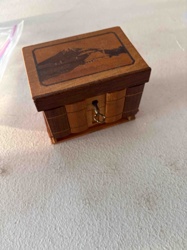
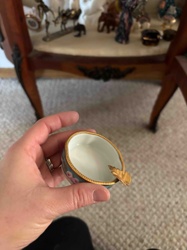
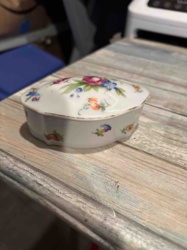
Small antique trinket box

AI analysis below

AI appraisal

AI analysis & estimate

AI-Generated · Verify before acting

Everything below is generated by AI for informational purposes only. AI can make mistakes — the AI may misidentify items or misattribute them (artist, maker, brand, designer, origin, era). This is not an official valuation and should not be used for insurance, sale, tax, estate, legal, or lending purposes — or any decision requiring a certified appraisal. It is not an authoritative claim about any person, brand, or rights holder — do not share or rely on it as a factual statement about a third party. Always consult qualified professionals before making financial decisions.

Note

This analysis also relies on unverified notes provided by the user, which may be incomplete or inaccurate and could affect the result.

Read the full disclaimer

AI Identification

·Not independently authenticated·Verify before acting

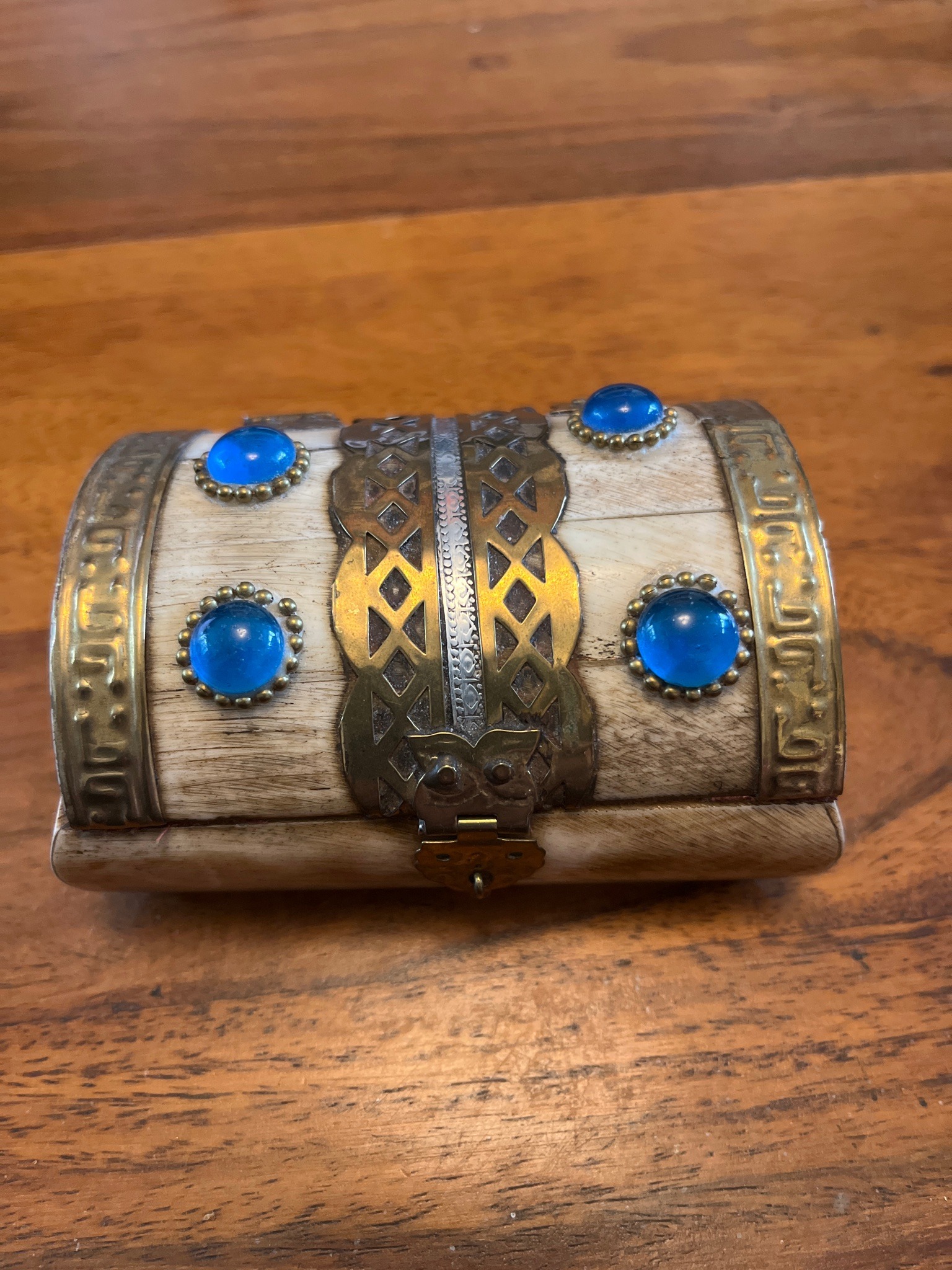
Vintage Bone and Jeweled Brass Trinket Box

Antiques & Collectibles / Decorative Arts

AI Estimated Value

·Not an official valuation·Verify before acting

$45.00 - $75.00

As of June 1, 2026

AI Item Analysis

·AI can make mistakes·Verify before acting
Small, barrel-topped trinket box crafted from bone or bovine horn segments applied over a wooden core. The piece features heavy brass or copper-alloy metalwork, including wide decorative bands with stamped or repoussed patterns and a central openwork lattice strap across the lid. It is embellished with four large, vibrant cobalt blue glass cabochons, each set within a beaded bezel. The construction reflects a folk-art or 'Grand Tour' style, likely originating from North Africa or India during the mid-20th century. The bone material shows natural grain patterns and linear striations with some discoloration, typical of organic material. Condition notes: The brass elements show significant oxidation and a dark patina, particularly around the central strap and hinges. The metal ends appear slightly bent with uneven edges, and there is visible grime in the crevices of the beaded settings. One cabochon appears slightly loose in its setting. No visible maker’s marks are present. The clasp is a simple tab-and-slot design with a small loop for a padlock or pin, showing signs of use and minor surface wear.
AI Appraisal Report

·AI can make mistakes·Verify before acting
I have completed a visual assessment of the bone and jeweled brass trinket box. This piece is a classic example of mid-20th-century souvenir or 'Grand Tour' folk art, most likely originating from North Africa (specifically Morocco) or potentially Northern India. The construction—utilizing bovine bone segments pinned over a wooden substrate with stamped brass filigree—is characteristic of mass-produced decorative wares from the 1950s through the 1970s. While frequently marketed as 'antique,' the use of machine-stamped metalwork and the specific cut of the glass cabochons indicate a vintage mid-century origin. The condition is fair to good. I noted significant oxidation on the copper-alloy bands and grime accumulation around the beaded bezels, which suggests long-term exposure to humidity. The loose cabochon and minor bending of the metal edges are common for these materials but do detract from the immediate retail appeal. Market demand for these items remains steady but modest, primarily driven by bohemian decor trends rather than high-end collectors. Comparables on the secondary market frequently sell within the double-digit range. The value is limited by its lack of rare materials (using glass rather than semi-precious stones) and its status as a non-unique, artisanal production. Limitations: This appraisal is based on photographic evidence. A physical inspection is required to confirm if any segments are true ivory (unlikely given the visible porosity/striations consistent with bone) and to test the metal purity. Detailed provenance or a purchase receipt from a known mid-century import shop would further refine the date of manufacture. Scientific testing of the adhesive underneath the bone segments could also definitively distinguish between vintage and contemporary reproductions.

Get your items appraised

Instant estimates of your treasures with AI-powered appraisals

Browse More Appraisals