AI Appraisal Estimate

AI-generated estimates · not official valuations

From the user

What was submitted

Photo and notes provided by the user — not generated by AI

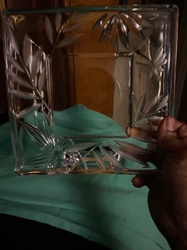
Submitted item photo
Submitted photo · May 28, 2026

User's notes

No additional notes provided.

AI analysis below

AI appraisal

AI analysis & estimate

AI-Generated · Verify before acting

Everything below is generated by AI for informational purposes only. AI can make mistakes — the AI may misidentify items or misattribute them (artist, maker, brand, designer, origin, era). This is not an official valuation and should not be used for insurance, sale, tax, estate, legal, or lending purposes — or any decision requiring a certified appraisal. It is not an authoritative claim about any person, brand, or rights holder — do not share or rely on it as a factual statement about a third party. Always consult qualified professionals before making financial decisions.

Read the full disclaimer

AI Identification

·Not independently authenticated·Verify before acting

Pressed Glass Footed Candy Dish / Compote Bowl

Decorative Glassware

AI Estimated Value

·Not an official valuation·Verify before acting

$35-55

As of May 28, 2026

AI Item Analysis

·AI can make mistakes·Verify before acting
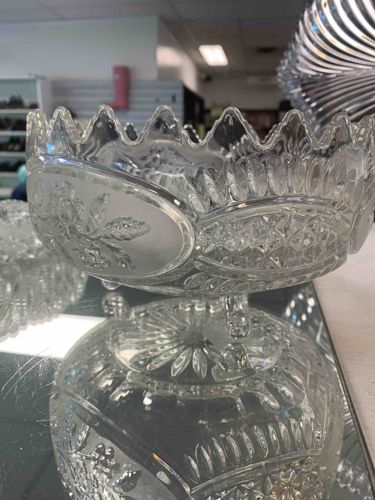
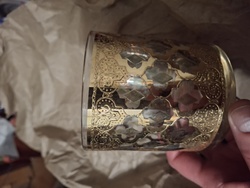
This is a clear glass footed candy dish or compote bowl, exhibiting characteristics of pressed glass with a highly decorative design. The bowl features a scalloped, almost jagged rim which adds to its ornate appearance. The upper band of the bowl is adorned with a pattern of stylized leaves and floral motifs, which appear to be acid-etched or frosted in some sections, providing a contrast in texture. Below this foliate band, the body of the bowl shifts to a more geometric pattern, likely a hobnail or starburst cut, typical of brilliant period glasswork or its reproductions. The bowl is supported by a pedestal base, which is also heavily patterned. The top of the foot where it connects to the bowl showcases a distinct star or sunburst pattern, while the base itself has vertical fluting and geometric cuts. The overall construction suggests a substantial weight, indicative of quality pressed glass. No obvious chips, cracks, or repairs are discernible from the image, though minor use-wear or flea bites on the rim are possible but not clearly visible. The glass appears clear and brilliant, suggesting good optical clarity, which is a hallmark of well-made glassware. The complex faceting and multiple design elements throughout the piece are indicative of a late 19th to early 20th-century style, possibly American Brilliant Cut Glass era or a similar pressed glass contemporary.
AI Appraisal Report

·AI can make mistakes·Verify before acting
Based on my visual examination of the provided image, this item is a footed candy dish or compote bowl, characteristic of the American Brilliant Period style, dating from the late 19th to early 20th century. The piece features a complex, multi-patterned design combining foliate motifs with geometric hobnail and starburst cuts. The glass appears clear and brilliant, and no significant damage such as chips or cracks is visible, suggesting it is in good to excellent condition for its age. While it mimics the highly desirable American Brilliant Cut Glass, it is more likely a high-quality pressed glass piece from a manufacturer such as Imperial, Fostoria, or Cambridge, created to emulate the more expensive hand-cut items. True hand-cut brilliant glass would exhibit sharper, more precise cuts and often carries a maker's mark. The market for this type of decorative glassware is stable but modest. While intricately designed, these pressed glass versions are relatively common. Demand is primarily from collectors of early American pattern glass. The primary factor influencing value is its identification as pressed glass rather than true cut glass, which significantly moderates its price. Comparables for similar elaborate pressed glass compotes from this era typically sell in the $30 to $65 range at auction and in retail settings. It is crucial to note the limitations of this appraisal. Without physical inspection, I cannot definitively authenticate the piece or distinguish between true cut and pressed glass, a critical value determinant. An in-person examination would be required to feel the sharpness of the cuts, check for a maker's mark (often acid-etched and faint), and assess the weight and lead content of the glass, which would confirm its origin and method of manufacture.

Get your items appraised

Instant estimates of your treasures with AI-powered appraisals

Browse More Appraisals