AI identification & appraisal estimate

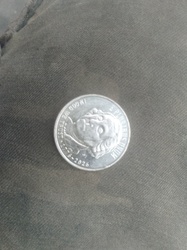
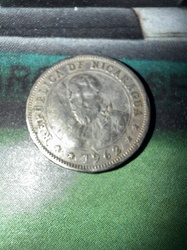
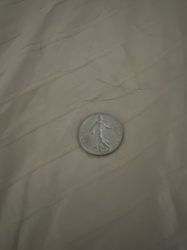
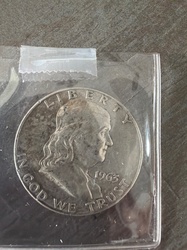
Portuguese 50-Cent Euro Coin Style Specimen

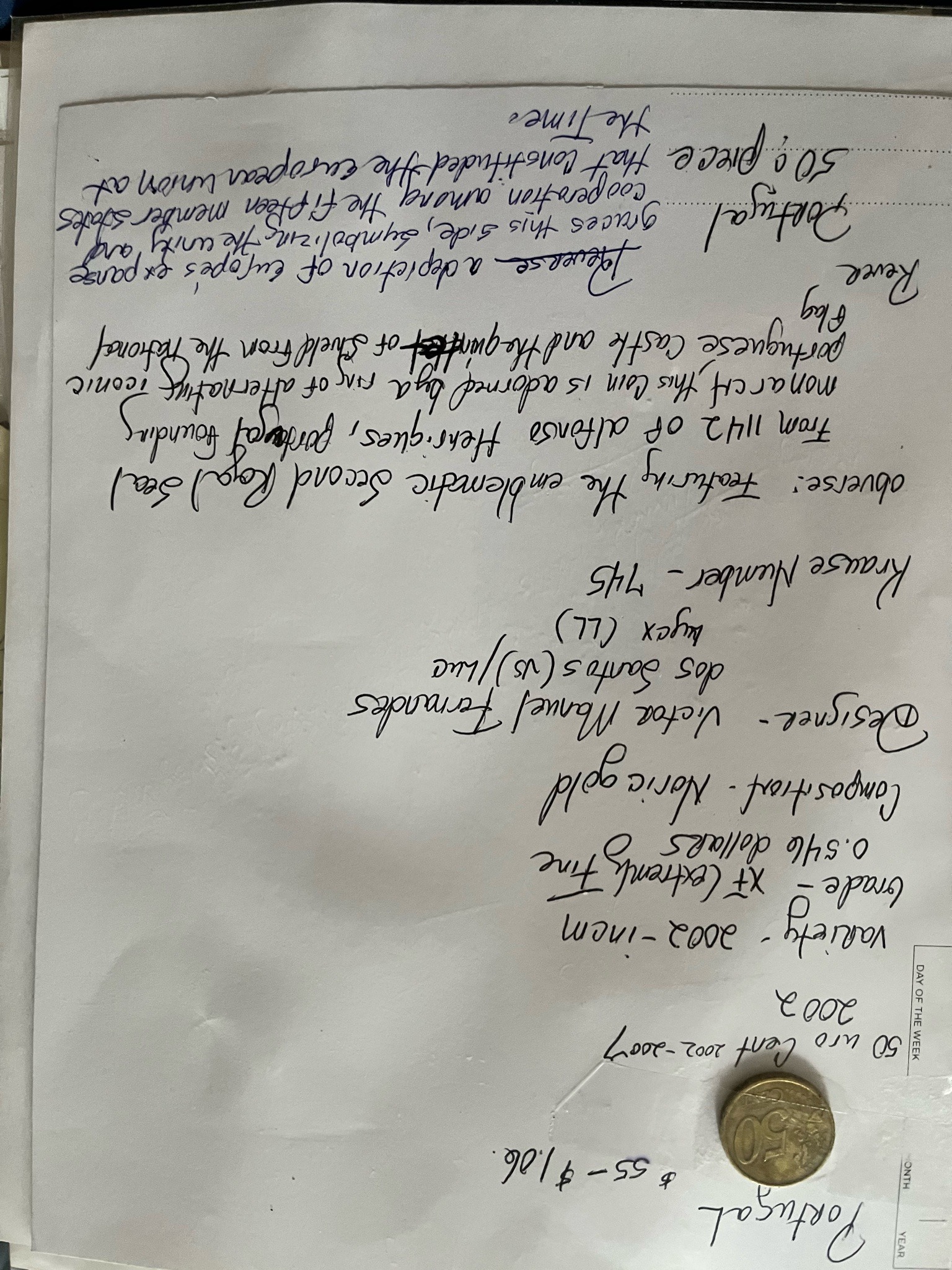
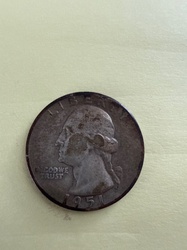
Submitted photo of Portuguese 50-Cent Euro Coin Style Specimen
Photo submitted by the user — not generated by AI

AI Estimated Value

Not an official valuation

$1.00 - $5.00

AI estimate as of June 3, 2026 · verify with a professional before acting

AI-Generated · Verify before acting

Everything on this page is generated by AI for informational purposes only. AI can make mistakes — the AI may misidentify items or misattribute them (artist, maker, brand, designer, origin, era). This is not an official valuation and should not be used for insurance, sale, tax, estate, legal, or lending purposes — or any decision requiring a certified appraisal. It is not an authoritative claim about any person, brand, or rights holder — do not share or rely on it as a factual statement about a third party. Always consult qualified professionals before making financial decisions.

Read the full disclaimer

AI Item Analysis

The image displays a circular metallic coin consistent with a Portuguese 50-cent Euro denomination, alongside detailed handwritten documentation. The coin appears to be made of a golden-colored alloy, typically Nordic gold, showing the numeral '50' on the obverse. Accompanying notes describe the coin as a 'variety - 2002-inem' with a grade of 'XF (Extremely Fine)'. The user-provided text claims the obverse features the 'Second Royal Seal from 1142 of Alfonso Henriques', surrounded by symbols from the Portuguese flag. The reverse is described as depicting Europe's expanse among the fifteen member states of the European Union at that time. The notes also attribute the design to 'Victor Manuel Fernandes dos Santos' and list a 'Krause Number - 745'. While the coin’s physical features and the thorough documentation are consistent with a circualted specimen from the early 2000s, this identification remains a hypothesis based on visual evidence without professional numismatic verification of metal composition or strike authenticity.
AI Appraisal Report

Based on the visual evidence provided, I have examined this specimen which appears consistent with a Portuguese 50-cent Euro coin dated 2002. From what I can see, the piece bears the design elements attributed to Vítor Manuel Fernandes dos Santos, featuring the second royal seal of 1142. The accompanying documentation suggests a grade of 'XF' (Extremely Fine), which aligns with the visible surface wear and level of detail preservation in the imagery. However, I cannot verify the exact metal composition or the strike's legitimacy from a photograph alone. For a numismatic item of this type, the value is primarily driven by its status as a common circulation issue rather than a rare variety. While the notes mention a 'variety,' most minor variations in early Euro strikings do not command a significant premium in the current collector market unless they are recognized major errors. The estimated value reflects a modest premium above the face value for a specimen in clean, collectible condition. This valuation assumes the piece is a standard circulation issue; if it were found to be a contemporary counterfeit or a non-circulating replica, the numismatic value would be negligible. To accurately confirm this hypothesis, a physical inspection by a numismatic specialist would be required to analyze the weight, diameter, and edge lettering under magnification. The market for standard circulating Euro coins is generally stable, with demand focused on high-grade examples (MS65 and above) or specific commemorative issues, neither of which are suggested by the current visual evidence of this circulated 2002 specimen.

Keep exploring

More coins and numismatics appraisals

Get your items appraised

Instant AI-powered appraisal estimates from a photo

Browse More Appraisals