AI estimate as of October 7, 2025 · verify with a professional before acting
AI-Generated · Verify before acting
Everything on this page is generated by AI for informational purposes only. AI can make mistakes — the AI may misidentify items or misattribute them (artist, maker, brand, designer, origin, era). This is not an official valuation and should not be used for insurance, sale, tax, estate, legal, or lending purposes — or any decision requiring a certified appraisal. It is not an authoritative claim about any person, brand, or rights holder — do not share or rely on it as a factual statement about a third party. Always consult qualified professionals before making financial decisions.
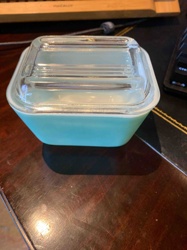
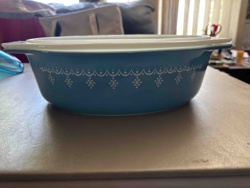
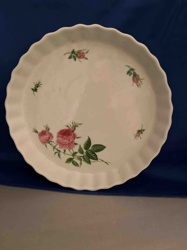
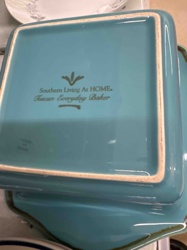
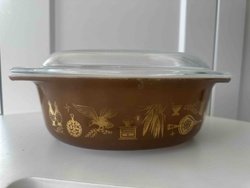
This item is a rectangular ceramic baking dish, distinguished by its vibrant light green or lime green color, often referred to as chartreuse. The dish features a smooth, glossy glazed interior and exterior, indicating it is likely suitable for oven use and easy cleaning. Its shape is a simple rectangle with gently rounded corners, providing a soft, flowing aesthetic. A key decorative element is the embossed pattern that adorns the inner rim of the shorter ends of the dish. This pattern appears to be a stylized, scrolling, or floral motif, adding a touch of traditional elegance or possibly a vintage feel. While specific dimensions are not provided, it appears to be of a medium size, suitable for serving individual portions or small casseroles. No discernible manufacturing marks, signatures, or stamps are visible in the provided images. The overall condition appears to be good, with no obvious chips, cracks, or significant wear visible, though a full inspection would be required to confirm. The craftsmanship suggests a mass-produced item due to the uniformity of the glaze and apparent lack of handcrafted imperfections, yet the embossed detail elevates it beyond a basic utility dish. The style, particularly the color and embossed pattern, could place its estimated age anywhere from mid-to-late 20th century to contemporary, depending on the specific pattern and manufacturer.
AI Appraisal Report
I've carefully examined the provided image of this rectangular ceramic baking dish. Visually, the condition appears to be good, with no obvious chips, cracks, or significant wear, though this assessment is limited to what's visible in the image. Without a physical inspection, I cannot account for micro-fissures, crazing, or any wear on the base that would impact its structural integrity or aesthetic. Authenticity as a genuine ceramic item suitable for baking seems plausible given the glossy glaze, but without manufacturer marks or provenance, definitive authentication beyond basic material composition is impossible. A physical examination for marks, weight, and glaze consistency would be crucial.
From a market perspective, this type of mass-produced ceramic bakeware, even with embossed details, generally falls into a lower-value segment. The vibrant light green, or chartreuse, color is attractive and could appeal to those seeking a retro or specific kitchen aesthetic. However, similar new items from home goods stores can be purchased for $20-$40, and numerous vintage examples are available on secondary markets. Demand for such an item is moderate; it’s a functional household piece, but not a collectible unless part of a rare or highly sought-after vintage set by a known manufacturer. Its rarity is low; embossed ceramic baking dishes are common. Significant factors impacting value include the lack of identifiable maker's marks, which prevents attribution to a specific brand or period that might command a premium. The visual assessment suggests it's a solid, functional piece, but without provenance or a known maker, its value is primarily utilitarian and decorative.
To fully authenticate or increase certainty of appraisal, I would need to physically inspect the item for manufacturer's marks (impressed or stamped), assess its weight and material quality, check for internal defects, and potentially perform a lead-glaze test if its intended use for food preparation were a primary concern.