AI Appraisal Estimate

AI-generated estimates · not official valuations

From the user

What was submitted

Photo and notes provided by the user — not generated by AI

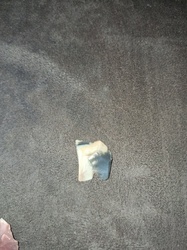
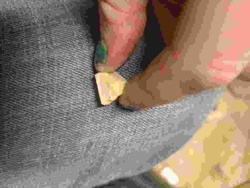
Submitted item photo
Submitted photo · May 25, 2026

User's notes

Caddoan

AI analysis below

AI appraisal

AI analysis & estimate

AI-Generated · Verify before acting

Everything below is generated by AI for informational purposes only. AI can make mistakes — the AI may misidentify items or misattribute them (artist, maker, brand, designer, origin, era). This is not an official valuation and should not be used for insurance, sale, tax, estate, legal, or lending purposes — or any decision requiring a certified appraisal. It is not an authoritative claim about any person, brand, or rights holder — do not share or rely on it as a factual statement about a third party. Always consult qualified professionals before making financial decisions.

Note

This analysis also relies on unverified notes provided by the user, which may be incomplete or inaccurate and could affect the result.

Read the full disclaimer

AI Identification

·Not independently authenticated·Verify before acting

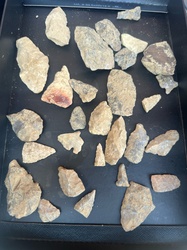
Caddoan Rock Crystal Lithic Flakes

Archaeological Artifact / Lithic Debitage

AI Estimated Value

·Not an official valuation·Verify before acting

$45.00 - $75.00

As of May 25, 2026

AI Item Analysis

·AI can make mistakes·Verify before acting
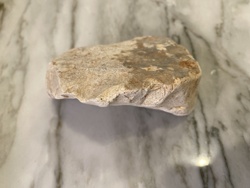
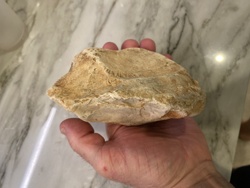
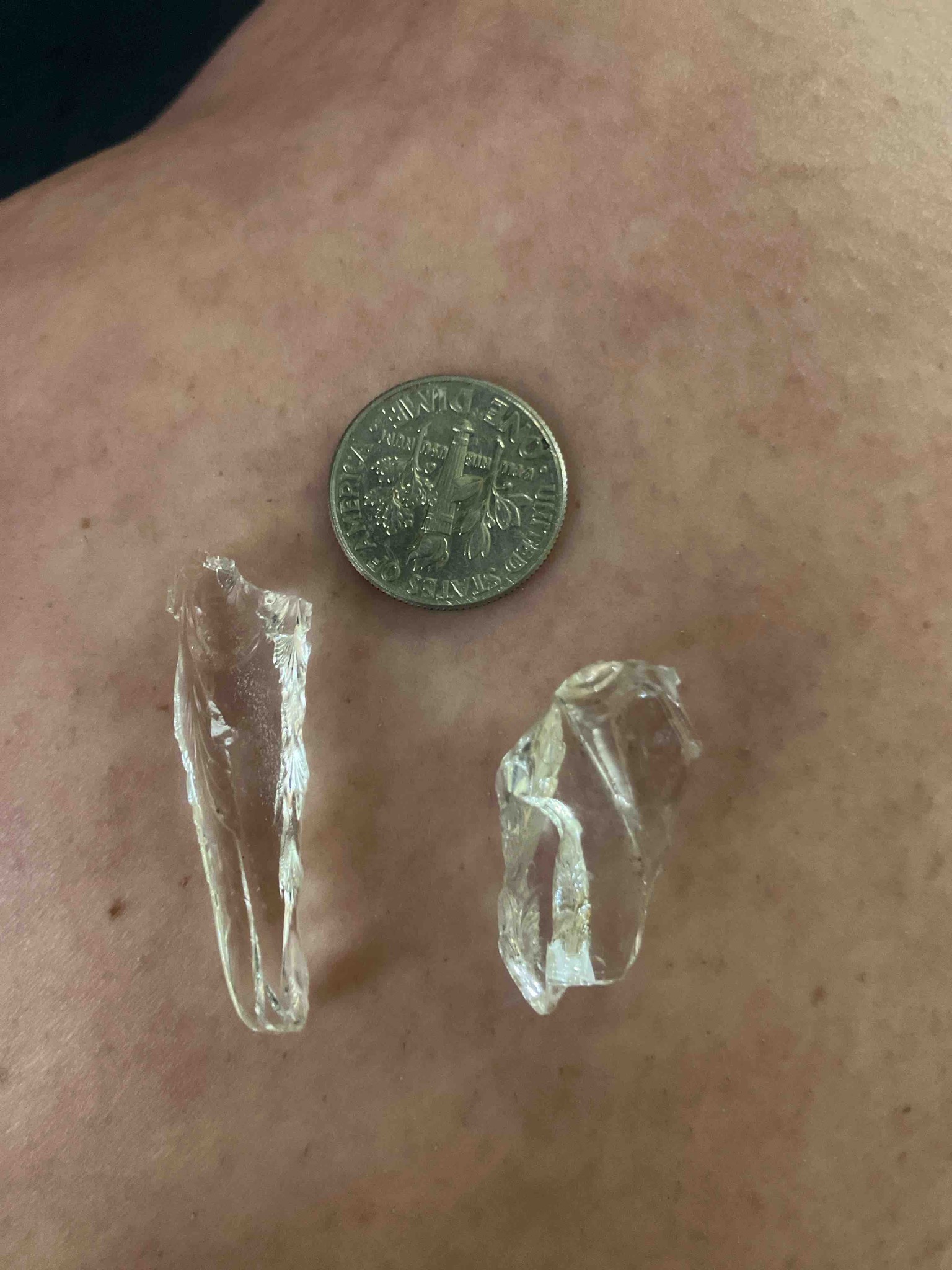
These specimens consist of two distinct lithic flakes produced from high-quality, transparent rock crystal quartz. In the context of Caddoan archaeology, such material is highly significant, often sourced from the Ouachita Mountains of Arkansas and utilized for the production of prestige items or specialized projectile points. The larger flake on the left is elongated, measuring approximately 1.5 inches in length, and exhibits clear conchoidal fracturing with prominent ripple marks and a sharp, feathered edge. The smaller flake on the right is more irregular in shape and displays complex negative bulb scars from previous flake removals. Both pieces are water-clear with exceptional translucency, characteristic of premium grade quartz used by Mississippian-era cultures. There are no visible intentional retouchings on these specific pieces, suggesting they are debitage or 'waste flakes' from the knapping process of a larger tool. The edges show minor micro-chipping, which could indicate post-depositional wear or use as expedient scraping tools. Their association with Caddoan culture suggests an estimated age spanning from approximately 800 to 1400 CE. The craftsmanship resides in the choice of material, as working with brittle quartz crystal requires a high level of technical skill to avoid shattering while producing usable blades or bifaces.
AI Appraisal Report

·AI can make mistakes·Verify before acting
I have examined the digital images and descriptions of the two rock crystal quartz lithic flakes. The specimens exhibit diagnostic features of expert reduction, including distinct conchoidal fracturing and negative bulb scars consistent with Caddoan knapping traditions (approx. 800–1400 CE). The material is of high quality, likely sourced from the Ouachita Mountains, prized for its translucency. From a market perspective, lithic debitage or 'waste flakes' occupy a niche sector. While the material is 'prestige' grade, these are non-diagnostic tools (not finished bifaces or points), which limits their value primarily to educational or comparative collections rather than high-end aesthetic markets. Comparable individual flakes of high-clarity quartz typically sell for $20–$40 each at specialized auctions. The lack of intentional retouch or pressure flaking keeps this value at the 'debitage' tier. The most significant factor impacting value is the lack of documented provenance. Archaeological artifacts without a clear chain of custody or legal find-site documentation are subject to strict ethical and legal scrutiny, which can suppress marketability. Limitations: This appraisal is based strictly on visual data. Images cannot verify surface patination or microscopic 'sickle sheen' that distinguishes ancient wear from modern 'gift shop' knapping. A definitive authentication requires an in-person microscopic inspection to examine micro-flaking patterns and a review of provenance documentation to ensure compliance with the Archaeological Resources Protection Act (ARPA). Until then, these are classified as presumed-authentic lithic debitage.

Get your items appraised

Instant estimates of your treasures with AI-powered appraisals

Browse More Appraisals