AI Appraisal Estimate

AI-generated estimates · not official valuations

From the user

What was submitted

Photo and notes provided by the user — not generated by AI

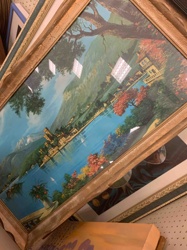
Submitted item photo
Submitted photo · May 27, 2026

User's notes

No additional notes provided.

AI analysis below

AI appraisal

AI analysis & estimate

AI-Generated · Verify before acting

Everything below is generated by AI for informational purposes only. AI can make mistakes — the AI may misidentify items or misattribute them (artist, maker, brand, designer, origin, era). This is not an official valuation and should not be used for insurance, sale, tax, estate, legal, or lending purposes — or any decision requiring a certified appraisal. It is not an authoritative claim about any person, brand, or rights holder — do not share or rely on it as a factual statement about a third party. Always consult qualified professionals before making financial decisions.

Read the full disclaimer

AI Identification

·Not independently authenticated·Verify before acting

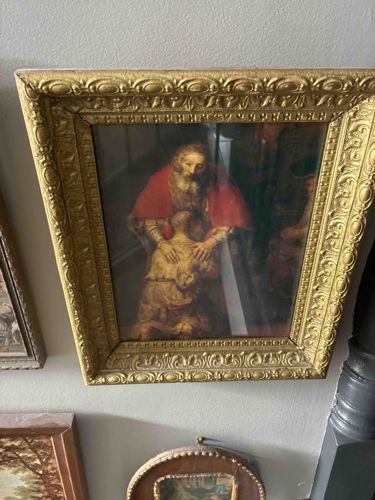
Framed Print of 'The Return of the Prodigal Son' by Rembrandt van Rijn

Wall Art & Decorative Prints

AI Estimated Value

·Not an official valuation·Verify before acting

$150-250

As of May 27, 2026

AI Item Analysis

·AI can make mistakes·Verify before acting
This item is a reproduction print of Rembrandt van Rijn's 17th-century masterpiece 'The Return of the Prodigal Son.' The image depicts the biblical parable with high-contrast chiaroscuro lighting, focusing on the emotional reunion between the elderly father in a red cloak and his kneeling, ragged son. The central figures are flanked by shadowy observers in the background. The print is housed in a substantial, ornate gilded wooden or composite frame featuring several rows of decorative molding, including egg-and-dart motifs and scrolling foliate patterns. The frame's finish is a bright gold gilt with darker antiquing in the recesses. Regarding physical condition, the frame shows visible signs of age including cracking at the mitered corner joints and some surface chipping or wear along the edges and raised reliefs, revealing the substrate beneath. The glass protection shows significant glare and possible surface dust, making it difficult to assess the exact medium of the print (likely a 20th-century lithograph or offset print). No visible maker's marks or artist signatures are discernible on the print surface from this angle. The overall presentation suggests a mid-to-late 20th-century decorative piece intended to replicate a classical gallery aesthetic.
AI Appraisal Report

·AI can make mistakes·Verify before acting
I have conducted a visual examination of the framed reproduction of Rembrandt van Rijn’s 'The Return of the Prodigal Son.' Based on my inspection, this is a mid-to-late 20th-century decorative print, likely an offset lithograph. The value is primarily driven by its substantial, ornate gilded frame rather than the print itself, which is a mass-produced reproduction of the original 17th-century masterpiece housed in the Hermitage Museum. The print lacks an original artist's signature or plate marks that would indicate a high-value etching or lifetime engraving. The frame shows classical motifs like egg-and-dart molding but exhibits visible cracking at the mitered corners and surface chipping, which indicates a wood/gesso composite construction susceptible to environmental fluctuations. These condition issues detract slightly from its secondary market value. The market for classical religious reproductions remains steady but saturated, with demand coming primarily from interior decorators or individual collectors seeking a gallery aesthetic at a modest price point. Comparables for framed prints of this size and style typically sell in the low hundreds at estate auctions. Limitations: A definitive assessment of the printing medium (e.g., distinguishing between a high-quality lithograph and a standard offset print) is impossible under glass through imagery alone. To fully authenticate the age and technique, I would require an in-person examination under magnification to check for dot patterns and an inspection of the paper's watermark and reverse side. No provenance was provided, which usually accompanies higher-tier fine art prints.

Get your items appraised

Instant estimates of your treasures with AI-powered appraisals

Browse More Appraisals