AI identification & appraisal estimate

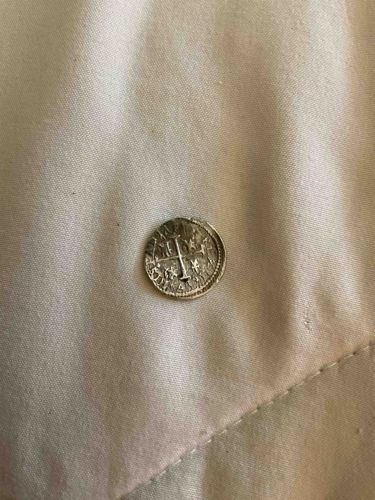
Medieval European Hammered Coin with Cross Motif

Submitted photo of Medieval European Hammered Coin with Cross Motif
Photo submitted by the user — not generated by AI

AI Estimated Value

Not an official valuation

$75-125

AI estimate as of July 20, 2025 · verify with a professional before acting

AI-Generated · Verify before acting

Everything on this page is generated by AI for informational purposes only. AI can make mistakes — the AI may misidentify items or misattribute them (artist, maker, brand, designer, origin, era). This is not an official valuation and should not be used for insurance, sale, tax, estate, legal, or lending purposes — or any decision requiring a certified appraisal. It is not an authoritative claim about any person, brand, or rights holder — do not share or rely on it as a factual statement about a third party. Always consult qualified professionals before making financial decisions.

Read the full disclaimer

AI Item Analysis

The item is a small, circular metal coin, likely made of a silver alloy given its color and apparent age. Its approximate size appears to be consistent with a medieval or early modern European coin, possibly a denier or similar small denomination. The coin exhibits irregular edges, which is typical of hammered coinage from periods before mechanized minting processes. One side clearly displays a central cross design, likely a 'long cross' type, extending to the rim of the coin. Surrounding the cross, there are remnants of a legend or inscription, though heavily worn and largely illegible from the provided image. The letters appear to be in a script consistent with Latin, characteristic of medieval European mints. Between the arms of the cross, there are small, possibly geometric or symbolic elements, though their details are indistinct. The surface of the coin shows significant wear, loss of detail, and a dark, uneven patina, indicating considerable age and handling. There are no clear maker's marks or dates visible. Given the style of the cross and the hammered nature, it strongly suggests a medieval European origin, likely dating from the 11th to 14th centuries, although precise dating without clearer details is difficult. The craftsmanship, while appearing somewhat crude by modern standards, is characteristic of early coinage where individual striking led to variations in quality. The condition suggests it was in circulation for an extended period.

AI Appraisal Report

Based on my visual examination of the provided image, this Medieval European Hammered Coin with Cross Motif appears authentic for its type, displaying characteristics consistent with medieval hammered coinage: irregular planchet, central long cross design, and remnants of what appears to be a Latin legend. The wear, patination, and crude striking are also typical of non-mechanized minting processes of the era. The condition is fair to poor; significant wear has rendered much of the inscription illegible and details indistinct, which severely impacts its collectible value. Authenticity verification from images alone is limited. I cannot definitively confirm the metallic composition or rule out modern reproductions without direct physical examination, detailed weight and diameter measurements, specific gravity tests, and potentially metallurgical analysis. Provenance documentation, if available, would significantly aid authentication and value assessment. Market conditions for such coins vary widely. While medieval coinage with clear identification commands high prices, heavily worn, unattributable examples like this typically command lower values. Comparables for 'anonymous' medieval European long cross deniers in similar condition often range from $50 to $200. The illegibility of the legend prevents attribution to a specific ruler, mint, or even a precise kingdom, which diminishes its rarity appeal significantly. Demand exists for medieval artifacts, but specific, well-preserved examples are most sought after. This coin's beauty and historical importance are present, but its lack of specific identification due to wear is a major detractor. Its value is primarily as a generic example of medieval coinage.

Keep exploring

More coin appraisals

Get your items appraised

Instant AI-powered appraisal estimates from a photo

Browse More Appraisals