AI identification & appraisal estimate

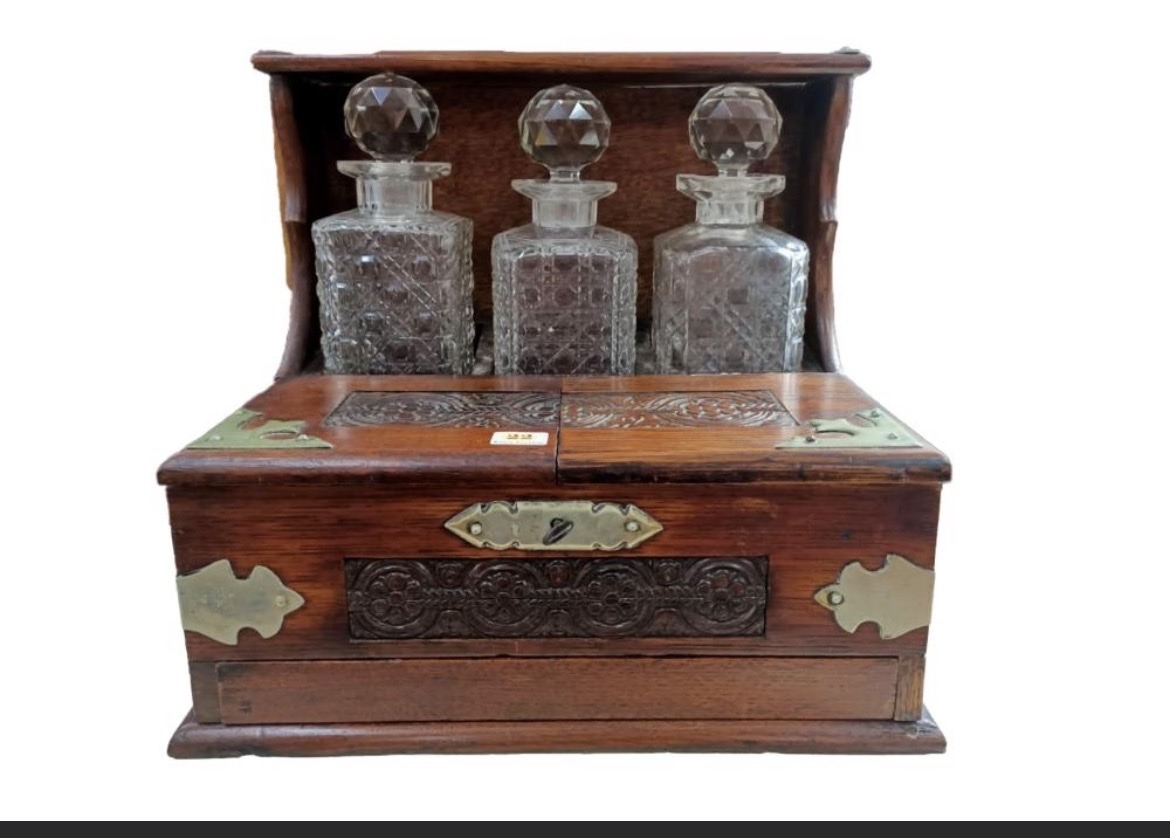
Victorian Tantalus with Cut Glass Decanters

Submitted photo of Victorian Tantalus with Cut Glass Decanters
Photo submitted by the user — not generated by AI

AI Estimated Value

Not an official valuation

$1,200 - $1,800

AI estimate as of May 9, 2026 · verify with a professional before acting

AI-Generated · Verify before acting

Everything on this page is generated by AI for informational purposes only. AI can make mistakes — the AI may misidentify items or misattribute them (artist, maker, brand, designer, origin, era). This is not an official valuation and should not be used for insurance, sale, tax, estate, legal, or lending purposes — or any decision requiring a certified appraisal. It is not an authoritative claim about any person, brand, or rights holder — do not share or rely on it as a factual statement about a third party. Always consult qualified professionals before making financial decisions.

Read the full disclaimer

AI Item Analysis

This is a Victorian-era wood and brass tantalus holding three square-shaped, cut glass decanters. The cabinet is constructed from a dark-grained wood, likely mahogany or oak, featuring unique hand-carved floral frieze panels on the front and top surfaces. Elaborate brass strapwork and corner brackets adorn the exterior, showing an aged patina with some surface oxidation consistent with late 19th-century craftsmanship. Each of the three decanters features a complex hobnail or diamond-pattern cut glass body and is topped with a large, multifaceted spherical stopper. The tantalus features a mechanical locking mechanism on the front with a diamond-shaped brass escutcheon, designed to secure the spirits within. Regarding condition, there is visible wear to the wood finish, particularly around the edges and base. The brass hardware shows minor tarnishing and usage marks. One decanter appears to have slight clouding or residue on the interior. The overall construction displays high-quality joinery typical of the period, though the hinged top shows slightly uneven alignment from age. This piece serves as both a functional bar accessory and a decorative example of late Victorian cabinetry.

AI Appraisal Report

Upon visual examination of this late 19th-century Victorian tantalus, I find it to be a superior example of high-Gothic influenced cabinetry. The combination of hand-carved floral friezes and ornate brass strapwork suggests a premium manufacturer, possibly Betjemann’s of London, though no hallmarks are visible in the imagery. The hobnail-cut decanters appear original and commensurate with the period's material standards. The condition is generally good; while the oxidation on the brass and the interior clouding of one decanter (likely 'glass sickness' or mineral deposits) slightly detract from the value, the integrity of the joinery and the presence of all three original stoppers are significant value drivers. Market demand for high-quality Victorian barware remains steady, with similar carved examples outperforming plain oak models. The mechanical locking mechanism is a critical component; functionality here is key to reaching the higher end of the valuation range. A major limitation of this digital assessment is the inability to verify the wood species or test the lead content of the glass. For a definitive authentication, I would require an in-person inspection to locate manufacturer stamps on the locking bar or base. Provenance documentation regarding previous ownership would further solidify its historical significance. Finally, a physical check of the hinge alignment is necessary to determine if the wood has warped or if the hardware simply requires tightening. This valuation assumes the locking mechanism is functional and the glass remains free of significant chips or hidden cracks.

Keep exploring

More antiques & collectibles appraisals

Get your items appraised

Instant AI-powered appraisal estimates from a photo

Browse More Appraisals