Phareodus encaustus Fossil Fish
Fossils & Natural History

Phareodus encaustus Fossil Fish

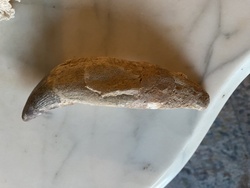
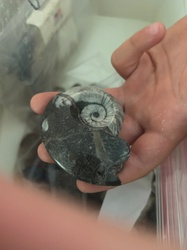
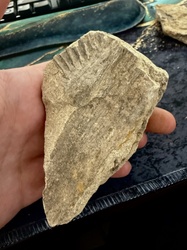
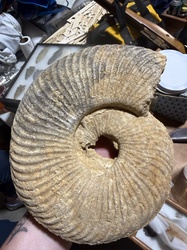
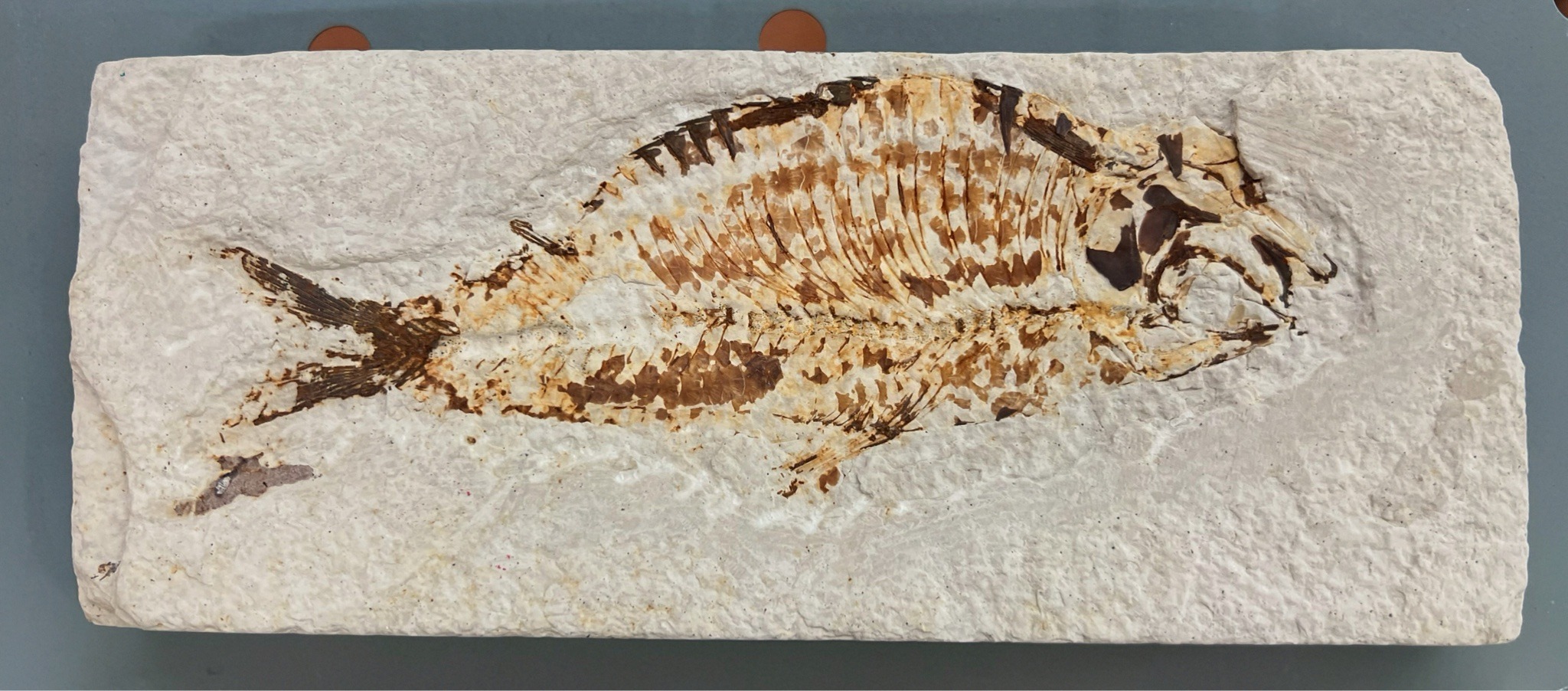
This is a high-quality fossilized specimen of a Phareodus encaustus, an extinct predatory freshwater fish, preserved within a rectangular matrix of light cream-colored limestone. The fossil originates from the Green River Formation in Wyoming, dating to the Eocene Epoch, approximately 50 million years ago. The specimen measures approximately 12 to 15 inches in length and displays exceptional anatomical detail. Notable features include the sharply defined skull structure with visible jawbones, thick ossified scales, and a prominent dorsal fin positioned towards the rear of the body. The specimen exhibits a rich, natural coloration ranging from dark chocolate browns to lighter ochre and tan hues, caused by the mineralization of the organic matter within the limestone. Careful preparation is evident through the relief of the bones above the matrix, a technique known as 'quarrying' or 'prepping.' The skeletal structure is largely articulated, though there is some minor scattering of scales and fin rays near the ventral region, which is common for fossils of this age. The matrix block has been professionally trimmed into a clean rectangle with slight surface texture irregularities consistent with natural sedimentary stone. No significant cracks or structural repairs are visible, but there appears to be some minor stabilization or color enhancement along the spinal vertebrae to highlight the fossilized elements against the pale background. This specimen is an excellent example of Eocene lacustrine preservation, showcasing the predatory nature of the species through its robust mouthparts.

Estimated Value

$1,800 - $2,500

Basic Information

Category

Fossils & Natural History

Appraised On

April 22, 2026

Estimated Value

$1,800 - $2,500

Item Description

This is a high-quality fossilized specimen of a Phareodus encaustus, an extinct predatory freshwater fish, preserved within a rectangular matrix of light cream-colored limestone. The fossil originates from the Green River Formation in Wyoming, dating to the Eocene Epoch, approximately 50 million years ago. The specimen measures approximately 12 to 15 inches in length and displays exceptional anatomical detail. Notable features include the sharply defined skull structure with visible jawbones, thick ossified scales, and a prominent dorsal fin positioned towards the rear of the body. The specimen exhibits a rich, natural coloration ranging from dark chocolate browns to lighter ochre and tan hues, caused by the mineralization of the organic matter within the limestone. Careful preparation is evident through the relief of the bones above the matrix, a technique known as 'quarrying' or 'prepping.' The skeletal structure is largely articulated, though there is some minor scattering of scales and fin rays near the ventral region, which is common for fossils of this age. The matrix block has been professionally trimmed into a clean rectangle with slight surface texture irregularities consistent with natural sedimentary stone. No significant cracks or structural repairs are visible, but there appears to be some minor stabilization or color enhancement along the spinal vertebrae to highlight the fossilized elements against the pale background. This specimen is an excellent example of Eocene lacustrine preservation, showcasing the predatory nature of the species through its robust mouthparts.
Get Your Items Appraised

Instant estimates of your treasures with AI-powered instant appraisals

Browse More Appraisals