AI Appraisal Estimate

AI-generated estimates · not official valuations

From the user

What was submitted

Photo and notes provided by the user — not generated by AI

Submitted item photo
Submitted photo · May 27, 2026

User's notes

Coin

AI analysis below

AI appraisal

AI analysis & estimate

AI-Generated · Verify before acting

Everything below is generated by AI for informational purposes only. AI can make mistakes — the AI may misidentify items or misattribute them (artist, maker, brand, designer, origin, era). This is not an official valuation and should not be used for insurance, sale, tax, estate, legal, or lending purposes — or any decision requiring a certified appraisal. It is not an authoritative claim about any person, brand, or rights holder — do not share or rely on it as a factual statement about a third party. Always consult qualified professionals before making financial decisions.

Note

This analysis also relies on unverified notes provided by the user, which may be incomplete or inaccurate and could affect the result.

Read the full disclaimer

AI Identification

·Not independently authenticated·Verify before acting

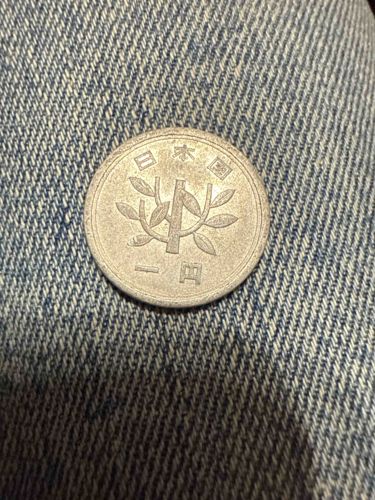
Japanese 1 Yen Aluminum Coin

Numismatics / Currency

AI Estimated Value

·Not an official valuation·Verify before acting

$0.01 - $0.50

As of May 27, 2026

AI Item Analysis

·AI can make mistakes·Verify before acting
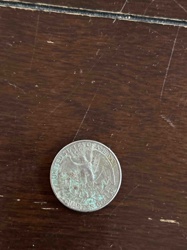
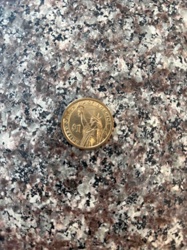
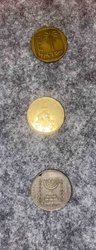
This is a circular Japanese 1 Yen coin, recognized as the lowest denomination of the Japanese yen currency. The coin is composed of 100% aluminum, which accounts for its lightweight nature and characteristic dull silver-grey appearance. The obverse side (displayed) features a young sapling, intended to symbolize the healthy growth of Japan. Above the sapling are the kanji characters for 'Japan' (日本国, Nippon-koku), and below it is the denomination 'One Yen' (一円, Ichi-en). The coin typically measures 20mm in diameter and weighs 1 gram. Regarding its condition, the coin shows signs of circulation and age, characterized by surface oxidation, pitting, and numerous small scratches scattered across the field and raised design elements. The edges appear somewhat softened from wear, and there is a noticeable buildup of grime or patina in the recessed areas surrounding the lettering and the sapling's leaves. The strike remains relatively clear despite the soft metal's susceptibility to damage. This specific design was first introduced in 1955 (Showa 30) and remains the current circulating design. The aluminum construction is a quality indicator of post-war frugal minting practices, designed to be cost-effective and light enough to float on water.
AI Appraisal Report

·AI can make mistakes·Verify before acting
I have examined the digital representation of this Japanese 1 Yen aluminum coin. Based on the visual evidence, the coin appears to be a genuine example of the standard circulation design introduced in 1955. My inspection confirms the presence of characteristic surface oxidation, pitting, and circulation wear consistent with 100% aluminum composition. The 'soft' appearance of the edges and the grime buildup in the recesses of the sapling design are typical for a coin that has spent considerable time in active commerce. From a numismatic standpoint, the 1 Yen coin is one of the most common coins in the world, with billions minted since the Showa era. Because it remains in active circulation and lacks a specific rare date or 'Proof' finish, its market value is essentially tied to its face value, which is less than one US cent. High-grade specimens (MS-65 or higher) or specific rare error strikes can command small premiums, but this circulated example does not meet those criteria. Please note that while the design elements align with authentic minting standards, a definitive assessment of weight (1.0g) and diameter (20mm) cannot be performed through images alone. For a conclusive authentication, a physical measurement and weight verification would be required to rule out contemporary counterfeits, though the low face value makes such forgeries unlikely. No further scientific testing or provenance documentation is recommended given the low market value of this specific item.

Get your items appraised

Instant estimates of your treasures with AI-powered appraisals

Browse More Appraisals