These notes were written by the person who submitted this item. Appraiser.AI has not verified them, and the AI's identification and estimate may rely on them.
AI Estimated Value
Not an official valuation
$20-40
AI estimate as of July 2, 2025 · verify with a professional before acting
AI-Generated · Verify before acting
Everything on this page is generated by AI for informational purposes only. AI can make mistakes — the AI may misidentify items or misattribute them (artist, maker, brand, designer, origin, era). This is not an official valuation and should not be used for insurance, sale, tax, estate, legal, or lending purposes — or any decision requiring a certified appraisal. It is not an authoritative claim about any person, brand, or rights holder — do not share or rely on it as a factual statement about a third party. Always consult qualified professionals before making financial decisions.
This analysis also relies on unverified notes provided by the user, which may be incomplete or inaccurate and could affect the result.
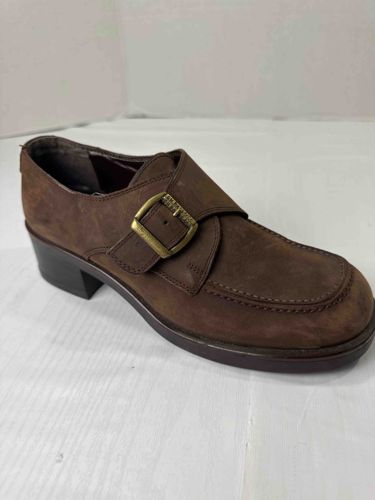
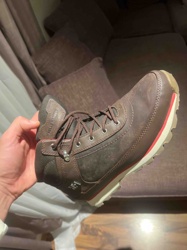
This is a single G.H. Bass & Co shoe, likely from the 1990s to early 2000s (Y2K era), characterized by its brown distressed suede upper. The shoe features a monk strap design with a single, antique brass-toned buckle. The buckle itself has a textured, possibly basketweave or crosshatch pattern, adding a subtle decorative element. The shoe has a prominent moc-toe stitching, indicating a U-shaped seam around the vamp, which is common in casual and semi-casual loafers and shoes. The sole appears to be a dark brown or black rubber, offering durability and traction. The heel is a stacked block heel of moderate height, suggesting comfort and a stable walking experience. The overall condition shows signs of wear, typical for a used item of its age, with visible scuffs and variations in the suede nap, which contribute to its distressed appearance but do not indicate significant damage. There are no obvious tears, repairs, or major structural issues visible. The craftsmanship appears sturdy, consistent with a well-known brand like G.H. Bass, typically known for producing durable and classic footwear. The interior lining is not clearly visible but appears to be a darker material. The shoe exhibits a classic, somewhat androgenous style that would align with fashion trends of its estimated period.
AI Appraisal Report
Upon examining the G.H. Bass & Co. monk strap suede shoe, I can confirm its apparent authenticity based on the distinctive styling, construction, and branding consistent with G.H. Bass footwear from the 1990s-early 2000s. The monk strap design, moc-toe stitching, and distressed suede align perfectly with the brand's aesthetic during that Y2K era. The antique brass-toned buckle with its textured pattern further supports this period.
The condition, as described and visually assessed, is good for its age. The "distressed" nature of the suede is inherent to the material and styling rather than indicative of significant damage, though typical wear (scuffs, nap variations) is present. There are no visible tears, major structural issues, or signs of heavy abuse, which bodes well for its collectibility.
Market conditions for vintage G.H. Bass shoes, especially well-preserved and classic styles, are steady but not extraordinarily high. While known for quality, they are not a luxury brand commanding premium prices. Comparables often include other vintage G.H. Bass loafers, boots, or monk straps in similar condition. Demand exists among vintage clothing enthusiasts and those seeking specific Y2K fashion pieces. Rarity is moderate; while not mass-produced, these styles were reasonably common, making them less of a 'once-in-a-lifetime' find.
Factors impacting value include the classic style, the recognizable brand, and the decent condition. The single shoe aspect limits its primary market appeal as wearable footwear, significantly affecting its value as a pair would fetch considerably more. Its potential value is now more as a display piece or for someone specifically needing a single replacement.
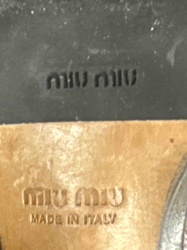
Limitations in authenticity verification from images alone include the inability to inspect interior tags, sole markings for specific model numbers, material composition labels, or the overall scent profile (which can indicate age/material). A physical examination would allow for tactile assessment of leather quality, inspection of stitching integrity, detailed review of all branding elements (including font and placement on insoles/soles), and assessment for any potential repairs not visible externally. Provenance documentation (original purchase receipts, box) would also definitively confirm origin.