AI estimate as of September 27, 2025 · verify with a professional before acting
AI-Generated · Verify before acting
Everything on this page is generated by AI for informational purposes only. AI can make mistakes — the AI may misidentify items or misattribute them (artist, maker, brand, designer, origin, era). This is not an official valuation and should not be used for insurance, sale, tax, estate, legal, or lending purposes — or any decision requiring a certified appraisal. It is not an authoritative claim about any person, brand, or rights holder — do not share or rely on it as a factual statement about a third party. Always consult qualified professionals before making financial decisions.
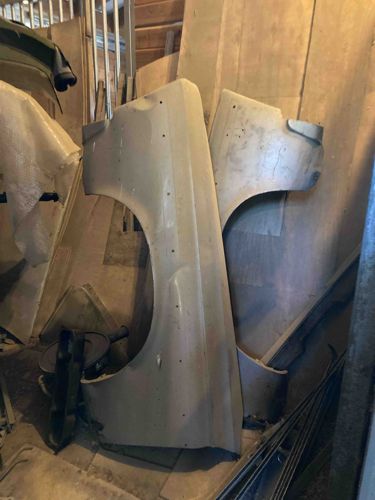
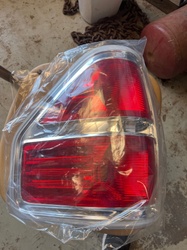
The image displays two automotive fenders, likely made of sheet metal, painted in a light, possibly primer-like, gray or off-white color. They appear to be from a classic or older vehicle, given their design which lacks the complex curves and integrated features common in modern cars. Each fender exhibits a prominent wheel arch and contours typically associated with either a front or rear quarter panel. The dimensions are difficult to ascertain without a reference scale, but they seem to be full-sized fenders, suggesting they belong to a standard passenger car or light truck. Multiple small drill holes or mounting points are visible along the edges and surfaces, indicating where they would be attached to the vehicle body or where trim pieces might have been secured. The surface shows visible signs of wear, including scratches, scuffs, and areas where the paint may have chipped or faded, revealing either bare metal or an underlying darker primer. There are some dents and minor deformations visible on both fenders, consistent with storage or potential removal from a salvage vehicle. One fender shows a more pronounced curve and possibly a headlight or bumper attachment area. There are no discernible maker's marks, part numbers, or signatures in the visible areas, which makes precise identification of the make, model, or manufacturing details challenging. The overall condition suggests that they are used parts, potentially salvaged, and would require bodywork and repainting before installation. Their vintage appeal suggests they could be valuable for restoration projects or as replacement parts for a specific classic car. The quality of craftsmanship appears to be standard for factory auto body panels of their presumed era, with formed metal construction.
AI Appraisal Report
Based on my visual examination of the provided image, I have assessed these two automotive fenders. They appear to be made of sheet metal, painted in a light gray or off-white primer, and exhibit a vintage design consistent with classic or older vehicles. I note visible signs of wear including scratches, scuffs, and chipped paint, along with minor dents and deformations. Multiple drill holes indicate mounting points for the vehicle body or trim. The current condition suggests they are used, salvaged parts that would require significant bodywork, repair, and repainting for restoration.
Authenticity is difficult to ascertain definitively from images alone. While they present as period-appropriate, the lack of discernible manufacturer's marks or part numbers prevents positive identification of the make or model. Without knowing the specific vehicle they belong to, their market value is significantly hampered. Comparables for unidentified vintage fender parts in similar condition typically fetch lower prices. If these were identified for a highly sought-after classic car (e.g., a specific Ford, Chevrolet, or European model), their value would increase considerably.
Currently, demand is limited to restorers or enthusiasts who recognize a potential fit. Rarity is unknown without specific identification. Factors impacting value negatively include the need for extensive bodywork, painting, and the unknown origin. The most significant limitation in authenticity verification from images is the inability to confirm the precise make, model, and year. For full authentication, I would require a physical inspection to check for hidden markings, measure dimensions accurately, and compare them against known schematics for various classic vehicles. Provenance documentation, if available, would also be invaluable.