AI Appraisal Estimate

AI-generated estimates · not official valuations

From the user

What was submitted

Photo and notes provided by the user — not generated by AI

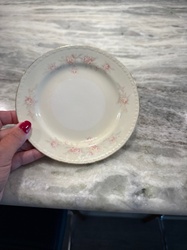
Submitted item photo
Submitted photo · May 27, 2026

User's notes

No additional notes provided.

AI analysis below

AI appraisal

AI analysis & estimate

AI-Generated · Verify before acting

Everything below is generated by AI for informational purposes only. AI can make mistakes — the AI may misidentify items or misattribute them (artist, maker, brand, designer, origin, era). This is not an official valuation and should not be used for insurance, sale, tax, estate, legal, or lending purposes — or any decision requiring a certified appraisal. It is not an authoritative claim about any person, brand, or rights holder — do not share or rely on it as a factual statement about a third party. Always consult qualified professionals before making financial decisions.

Read the full disclaimer

AI Identification

·Not independently authenticated·Verify before acting

Italian Majolica Mosaic Style Fruit Motif Ceramic Bowl

Decorative Ceramics & Dinnerware

AI Estimated Value

·Not an official valuation·Verify before acting

$45.00 - $75.00

As of May 27, 2026

AI Item Analysis

·AI can make mistakes·Verify before acting
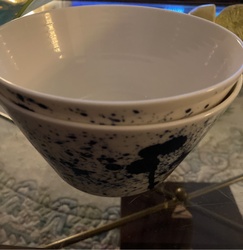
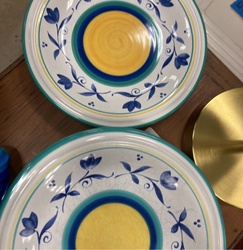
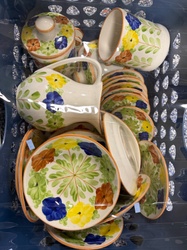
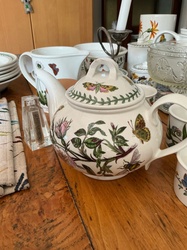
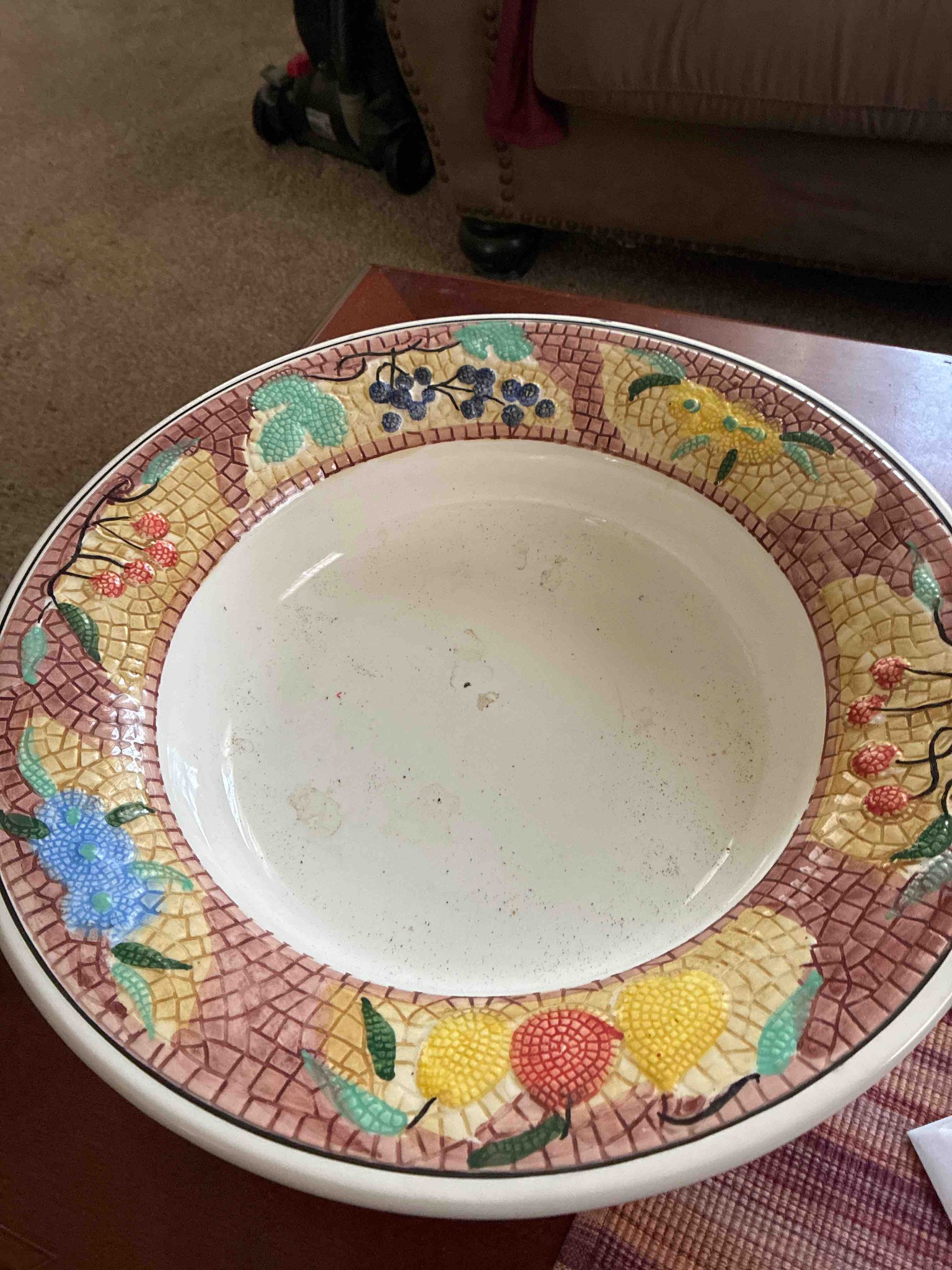
This is a large, circular ceramic serving bowl, likely of Italian origin, featuring a striking faux-mosaic design. The bowl is constructed from glazed earthenware (Majolica) and features a wide, decorative rim. The rim is embellished with embossed fruit motifs, including grapes, lemons, and berries, set against a background textured to simulate small mosaic tiles in shades of terracotta and sand. The colors are vibrant, utilizing a palette of lemon yellow, sage green, cobalt blue, and deep red. The central well of the bowl is a glossy off-white cream color. This piece likely dates to the late 20th century, following a traditional Mediterranean villa aesthetic. The craftsmanship shows careful attention to detail in the relief molding of the fruit and the individual 'tesserae' marks on the rim. Regarding condition, there is visible wear in the center of the bowl, including scattered dark spots, surface scuffing, and what appears to be minor staining or residue consistent with regular use. The glaze remains generally lustrous, though faint crazing may be present upon closer inspection. No major cracks or large chips are visible in this view, suggesting the piece has been well-maintained despite functional use.
AI Appraisal Report

·AI can make mistakes·Verify before acting
I have conducted a visual examination of the Italian Majolica-style mosaic fruit motif bowl. This piece is a contemporary decorative earthenware vessel, likely produced in the late 20th century (circa 1980-1995). The design utilizes a slip-cast production method where the 'mosaic' texture and fruit relief are part of the mold rather than hand-set tesserae. While the glaze palette is quintessentially Mediterranean, the execution suggests a high-volume decorative import rather than a studio-signed masterpiece. The condition shows signs of moderate utility wear. The central well exhibits surface scuffing and dark carbon-like spots, which often occur when metal utensils bridge the glaze or when moisture penetrates fine crazing in the lead-based or tin-based glazes typical of this style. These condition issues slightly depress the value, as the piece is no longer 'mint.' The market for 20th-century Italian decorative ceramics is currently saturated. Modern buyers favor either mid-century modern 'Bitossi' styles or high-end certified antique Majolica. Mass-marketed 'Villa' style dinnerware currently commands modest prices at estate sales and secondary online marketplaces. Its value is primarily functional and decorative rather than as a collectible investment. Note: This appraisal is based on image analysis only. Physical inspection is required to check for structural 'ring' (indicating no internal cracks), identify manufacturer backstamps, and test for lead content if intended for food use. To definitively authenticate the origin, I would need to examine the foot ring for kiln marks and verify any impressed signatures or 'Made in Italy' stamps which are standard for exports of this period.

Get your items appraised

Instant estimates of your treasures with AI-powered appraisals

Browse More Appraisals