AI Appraisal Estimate

AI-generated estimates · not official valuations

From the user

What was submitted

Photo and notes provided by the user — not generated by AI

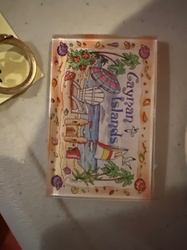
Submitted item photo
Submitted photo · June 26, 2026

User's notes

No additional notes provided.

AI analysis below

AI appraisal

AI analysis & estimate

AI-Generated · Verify before acting

Everything below is generated by AI for informational purposes only. AI can make mistakes — the AI may misidentify items or misattribute them (artist, maker, brand, designer, origin, era). This is not an official valuation and should not be used for insurance, sale, tax, estate, legal, or lending purposes — or any decision requiring a certified appraisal. It is not an authoritative claim about any person, brand, or rights holder — do not share or rely on it as a factual statement about a third party. Always consult qualified professionals before making financial decisions.

Read the full disclaimer

AI Identification

·Not independently authenticated·Verify before acting

Decorative Ceramic Dutch Clog Souvenir

Collectibles / Souvenirs

AI Estimated Value

·Not an official valuation·Verify before acting

$5.00 - $15.00

As of June 26, 2026

AI Item Analysis

·AI can make mistakes·Verify before acting
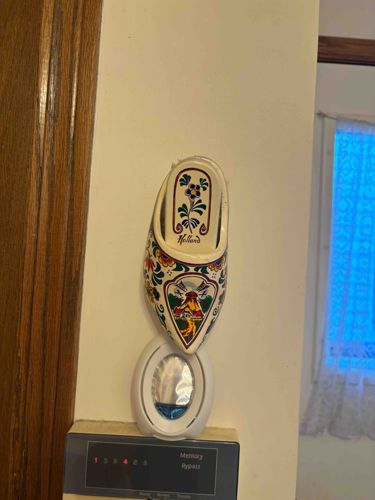
This item is a decorative wall-hanging ceramic miniature in the shape of a traditional Dutch wooden clog (klomp). It is crafted from glazed ceramic or porcelain with a smooth, white base finish. The surface is adorned with vibrant, colorful hand-painted or decal-applied motifs. On the toe, there is a central shield-shaped crest featuring a rustic scene with a windmill, which is a classic symbol of the Netherlands. The sides and the interior heel area are decorated with intricate floral patterns, specifically featuring blue delft-style flowers and greenery in shades of red, yellow, and green. The word 'Holland' is printed clearly on the interior base of the shoe. Physically, it appears to be a mid-to-late 20th-century souvenir item, likely mass-produced for the tourism market but still showing decent craftsmanship in the application of the glaze and pigments. The condition appears to be fair; there are visible signs of dust and minor surface grime along the edges, and the piece shows some crazing or fine lines in the glaze consistent with age. It is currently mounted on a wall above a plastic fixture, suggesting it serves as a decorative keepsake rather than an antique of high value. The construction is hollow, and it lacks visible maker's marks on the exterior aside from the geographic identification.
AI Appraisal Report

·AI can make mistakes·Verify before acting
Upon examination of this decorative ceramic Dutch clog souvenir, I have assessed it as a common mid-to-late 20th-century tourist item. The piece features a white glazed finish with decal-applied motifs depicting a windmill and floral patterns, commonly associated with the mass-produced export market from the Netherlands. The presence of 'Holland' printed on the interior is a standard indicator of souvenir-grade production rather than artisanal studio pottery. The condition is fair; while the structural integrity remains intact, the visible crazing in the glaze and accumulated surface grime suggest long-term display in a domestic environment, which slightly detracts from its aesthetic appeal. Market demand for such items is currently low, as they were produced in high volumes. Similar pieces are frequently found in thrift stores, estate sales, and online marketplaces, typically selling for nominal amounts. Because it lacks a specific maker’s mark (such as Royal Delft/De Porceleyne Fles or Tichelaar Makkum), it does not command the premium prices associated with high-end Dutch porcelain. The current valuation reflects its status as a sentimental keepsake rather than a collectible investment. Limitations: This appraisal is based solely on visual inspection of the provided image. I cannot assess the presence of hairline fractures or repairs that might be hidden by dust. Full authentication of the material (porcelain vs. earthenware) would require physical handling and a 'ring' test. To definitively rule out an earlier origin, I would need to inspect the unglazed foot-rim for specific kiln marks or signs of hand-painting versus transfer printing, which can be difficult to distinguish under heavy glaze in photographs.

Get your items appraised

Instant estimates of your treasures with AI-powered appraisals

Browse More Appraisals