AI Appraisal Estimate

AI-generated estimates · not official valuations

From the user

What was submitted

Photo and notes provided by the user — not generated by AI

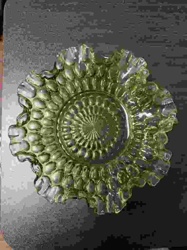
Submitted item photo
Submitted photo · June 8, 2026

User's notes

No additional notes provided.

AI analysis below

AI appraisal

AI analysis & estimate

AI-Generated · Verify before acting

Everything below is generated by AI for informational purposes only. AI can make mistakes — the AI may misidentify items or misattribute them (artist, maker, brand, designer, origin, era). This is not an official valuation and should not be used for insurance, sale, tax, estate, legal, or lending purposes — or any decision requiring a certified appraisal. It is not an authoritative claim about any person, brand, or rights holder — do not share or rely on it as a factual statement about a third party. Always consult qualified professionals before making financial decisions.

Read the full disclaimer

AI Identification

·Not independently authenticated·Verify before acting

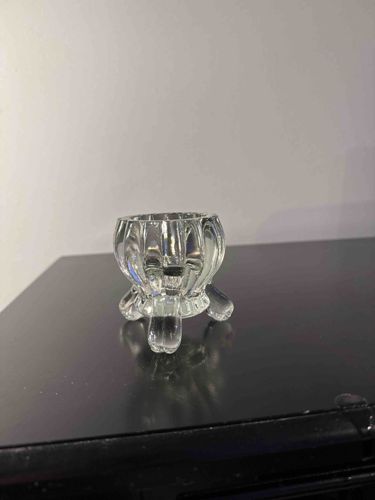
Vintage Three-Footed Ribbed Glass Votive or Salt Cellar

Vintage Glassware / Decorative Collectibles

AI Estimated Value

·Not an official valuation·Verify before acting

$15 - $25

As of June 8, 2026

AI Item Analysis

·AI can make mistakes·Verify before acting
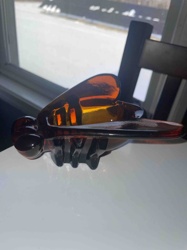
This is a small, decorative clear glass vessel, likely serving as a votive candle holder or an open salt cellar. The item features a thick-walled construction with a prominent vertical ribbed or fluted texture surrounding the bowl's exterior. The most distinguishing feature is its tripod base, consisting of three rounded, bulbous feet that flair outward to provide stability. The glass is clear and colorless, suggesting a mid-20th-century production, possibly in the style of American Pressed Glass or European decorative crystal. It stands approximately 2 to 3 inches in height. The craftsmanship shows smooth, rounded edges at the rim, indicating a molded manufacturing process followed by fire-polishing to remove sharp seams. In terms of condition, the glass appears bright with good clarity and no visible clouding or 'glass sickness.' There are no immediate signs of significant chipping or cracking on the feet or rim, though minor shelf wear on the bottom of the contact points is common for pieces of this age. The item lacks visible maker's marks or signatures in the provided view, which is typical for mass-produced decorative glassware from the 1950s-1970s. Its heavy base and light-refracting ribs indicate a quality of design intended to catch and scatter light effectively.
AI Appraisal Report

·AI can make mistakes·Verify before acting
Based on my visual examination of this vintage glassware, I identify the piece as a mid-20th-century pressed glass tripod votive or salt cellar. The item exhibits stylistic hallmarks consistent with mass-produced American or European decorative glass from the 1950s to the 1970s. The vertical ribbing and three-footed base create an appealing light-refracting quality, though the lack of a maker's mark and the presence of molded seams (evidenced by the fire-polished finish) suggest a non-designer, commercial origin typical of companies like Federal Glass, Hazel-Atlas, or similar period manufacturers. The condition appears excellent; the glass retains high clarity without 'sickness' or calcification, and the rim and feet show no significant chipping. Market demand for this specific form is modest but steady, primarily driven by collectors of 'Open Salts' or individuals seeking vintage tablescape accents. While historically charming, this piece is not rare and lacks the provenance or artisanal signature required to command a premium price. Comparables for unsigned ribbed clear glass vessels of this size consistently fall within the $15–$25 range in secondary vintage markets. Limitations of this appraisal include the inability to feel the glass's weight or check for 'UV glow' (manganese or uranium content), which can sometimes indicate an earlier production date. A final authentication would require a physical inspection to check for micro-scratches on the feet (indicating genuine age) and an examination under a jeweler’s loupe to identify any hidden acid-etched signatures. Provenance regarding the original manufacturer's catalog would also be necessary to move this beyond 'generic vintage' status.

Get your items appraised

Instant estimates of your treasures with AI-powered appraisals

Browse More Appraisals