AI identification & appraisal estimate

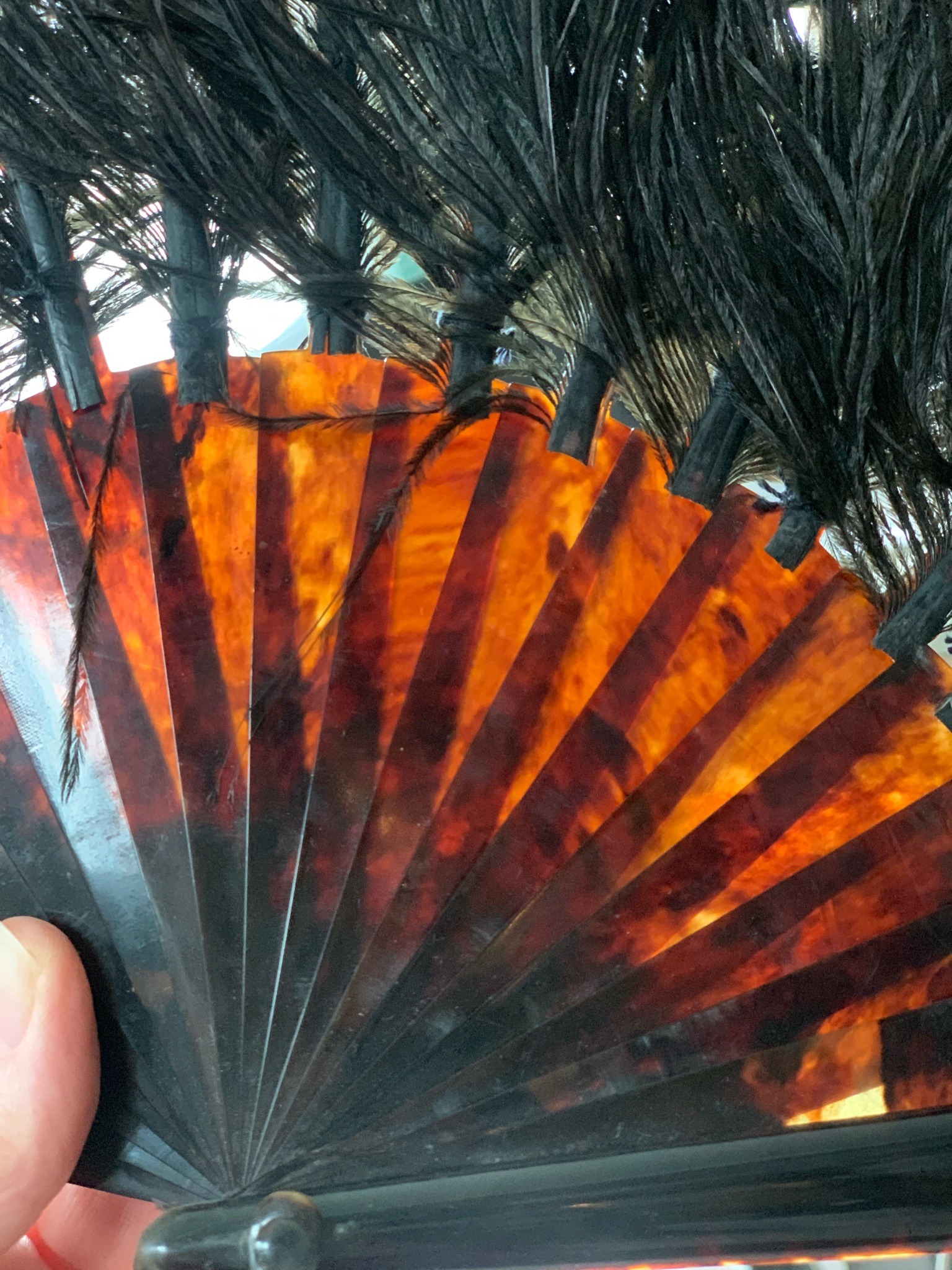
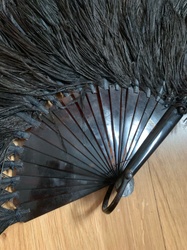
Victorian Style Faux-Tortoiseshell and Black Ostrich Feather Folding Fan

Submitted photo of Victorian Style Faux-Tortoiseshell and Black Ostrich Feather Folding Fan
Photo submitted by the user — not generated by AI

User's notes

victorian antiques black ostrich feather fan with tortoise? nice imitate handle. 19 starves, all frarhers in cood condition. no damaged and tortoise? imitate finger handle ring on end. sizing 74cm acriss. what is its value uk

These notes were written by the person who submitted this item. Appraiser.AI has not verified them, and the AI's identification and estimate may rely on them.

AI Estimated Value

Not an official valuation

£180 – £260

AI estimate as of April 11, 2026 · verify with a professional before acting

AI-Generated · Verify before acting

Everything on this page is generated by AI for informational purposes only. AI can make mistakes — the AI may misidentify items or misattribute them (artist, maker, brand, designer, origin, era). This is not an official valuation and should not be used for insurance, sale, tax, estate, legal, or lending purposes — or any decision requiring a certified appraisal. It is not an authoritative claim about any person, brand, or rights holder — do not share or rely on it as a factual statement about a third party. Always consult qualified professionals before making financial decisions.

This analysis also relies on unverified notes provided by the user, which may be incomplete or inaccurate and could affect the result.

Read the full disclaimer

AI Item Analysis

This is a large, dramatic folding fan consisting of nineteen staves. The guards and sticks are crafted from a high-quality imitation tortoiseshell, likely celluloid or an early plastic polymer, common in the late 19th and early 20th centuries. The material exhibits the characteristic mottled amber and deep translucent brown swirling associated with genuine hawksbill shell. Each stick is topped with a voluminous, dyed black ostrich feather plume, securely bound to the plastic supports with black thread. When fully extended, the fan measures approximately 74cm across, indicating it is an evening or opera-style accessory. The construction features a metal pin at the pivot point, finished with a matching faux-tortoiseshell finger ring for secure handling. Stylistically, this piece dates to the late Victorian or Edwardian era (circa 1890-1910), a period when large feather fans were at the height of fashion for formal evening wear. The condition appears excellent with no visible shedding of the plumes, no cracks to the celluloid staves, and the structural integrity of the mounts remains tight. The lack of manufacturer marks suggests a high-end commercial boutique origin. In the UK market, such well-preserved examples typically command interest from costume collectors and period film departments.
AI Appraisal Report

Based on my examination of this Victorian-style folding fan, I have determined it to be a high-quality opera accessory dating from the late 19th to early 20th century (circa 1895–1910). The fan features nineteen staves crafted from celluloid, an early plastic developed to mimic the aesthetic of hawksbill tortoiseshell. The voluminous black ostrich plumes appear to be in remarkable condition, retaining their density and structural integrity without the 'shattered' appearance often seen in aged organic fibers. Market demand for large-scale ostrich fans remains steady, particularly among collectors of Edwardian 'Belle Époque' fashion and buyers for period film production. While genuine tortoiseshell would command a significant premium, the use of high-grade celluloid was standard for durable evening wear of the era. The presence of the original finger ring and the lack of visible damage to the pivot pin significantly bolster its value. Recent auction results for similar 70cm+ examples in the UK market typically fall within the £150–£300 range when plumes are intact. Limitations of this appraisal include the inability to physically tactile-test the celluloid for the 'camphor' scent or 'hot needle' reaction used to differentiate early polymers from modern reproductions. Furthermore, I cannot verify the strength of the thread bindings or the presence of insect damage deep within the plumes' quill base from images alone. A full authentication would require an in-person inspection of the pivot tension and a microscopic review of the plume shafts to confirm authenticity of the dye and age-related wear. No provenance was provided, which, if documented, could further elevate the historical significance and value.

Keep exploring

More vintage fashion accessories / antique fans appraisals

Get your items appraised

Instant AI-powered appraisal estimates from a photo

Browse More Appraisals