AI Appraisal Estimate

AI-generated estimates · not official valuations

From the user

What was submitted

Photo and notes provided by the user — not generated by AI

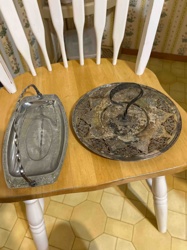
Submitted item photo
Submitted photo · June 3, 2026

User's notes

Set

AI analysis below

AI appraisal

AI analysis & estimate

AI-Generated · Verify before acting

Everything below is generated by AI for informational purposes only. AI can make mistakes — the AI may misidentify items or misattribute them (artist, maker, brand, designer, origin, era). This is not an official valuation and should not be used for insurance, sale, tax, estate, legal, or lending purposes — or any decision requiring a certified appraisal. It is not an authoritative claim about any person, brand, or rights holder — do not share or rely on it as a factual statement about a third party. Always consult qualified professionals before making financial decisions.

Note

This analysis also relies on unverified notes provided by the user, which may be incomplete or inaccurate and could affect the result.

Read the full disclaimer

AI Identification

·Not independently authenticated·Verify before acting

Vintage Studio Silversmiths Silver-Plated Tea and Coffee Service Set

Antique & Vintage Silver Plate / Hollowware

AI Estimated Value

·Not an official valuation·Verify before acting

$45.00 - $75.00

As of June 3, 2026

AI Item Analysis

·AI can make mistakes·Verify before acting
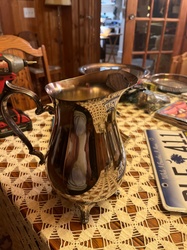
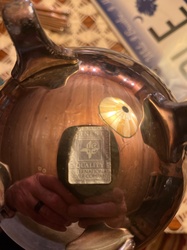
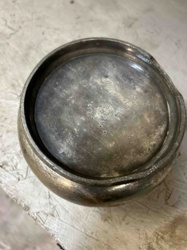
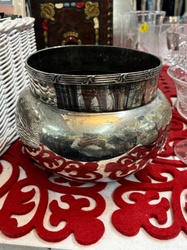
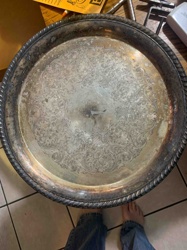
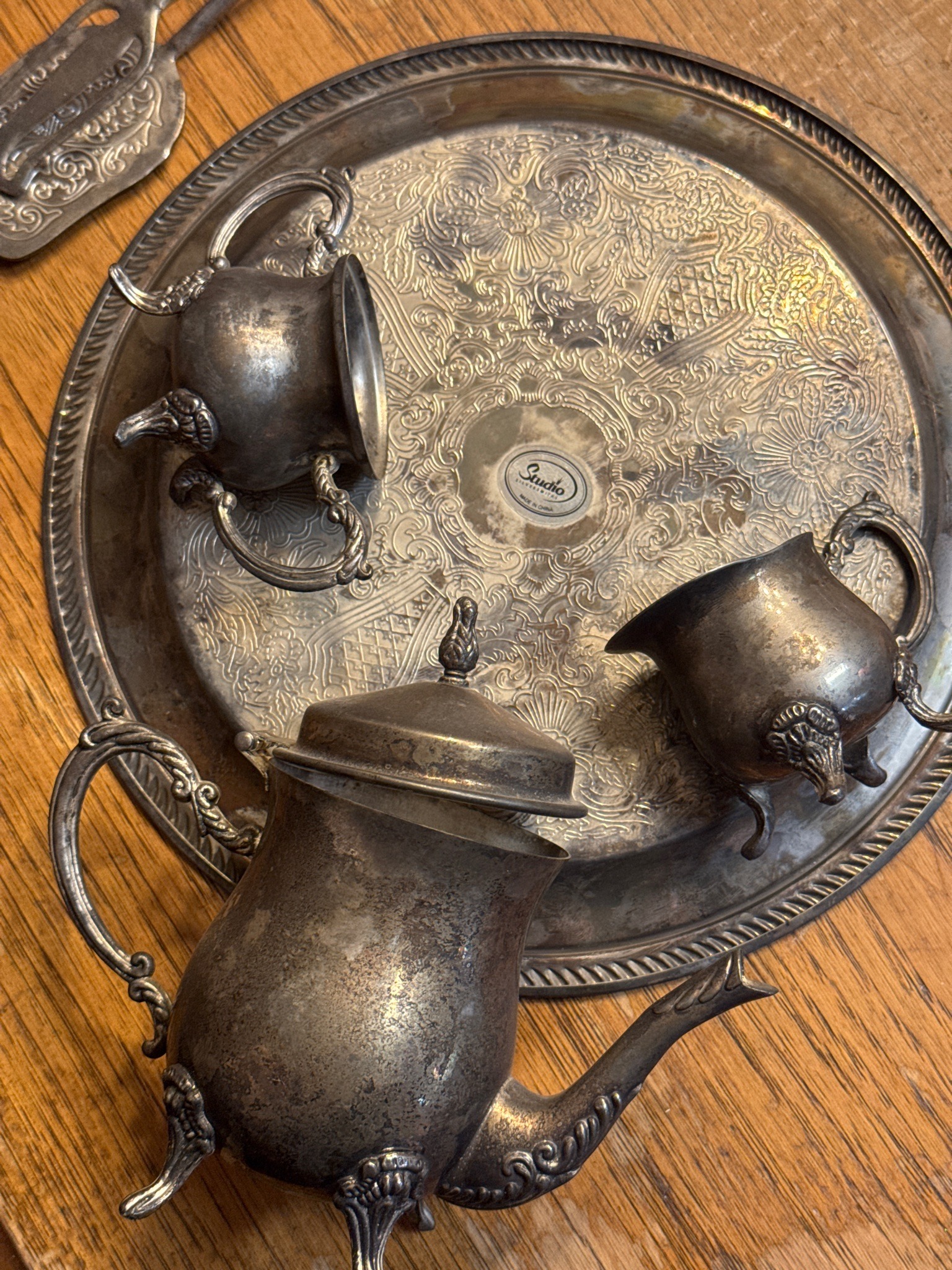
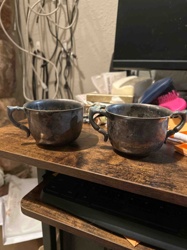
This is a vintage multi-piece silver-plated coffee and tea service set, featuring a matching circular serving tray, a lidded teapot or coffee pot, a cream pitcher, and a sugar bowl. The set is constructed from a base metal, likely brass or copper, with a silver-plated finish. The circular tray displays a highly ornate repoussé and chased aesthetic, featuring a central medallion with a circular manufacturer's label that reads 'Studio Silversmiths - MADE IN CHINA'. The tray's surface is decorated with intricate floral scrolls, lattice patterns, and a scalloped gadroon or rope-style rim. The hollowware pieces (pot, creamer, and sugar bowl) feature matching ornate components, including scrolled handles with thumb rests, decorative splayed feet with leaf-like motifs, and a pineapple-style finial on the pot lid. The items show significant signs of age and condition wear, characterized by heavy tarnish (patina), oxidation, and visible surface scratching. The dark, uneven discoloration suggests the silver plating has reacted to environmental sulfur, and there appear to be areas of 'bleeding' where the base metal may be showing through the thin plating. The style is a 20th-century revival of Victorian or Baroque aesthetics, mass-produced for the decorative giftware market.
AI Appraisal Report

·AI can make mistakes·Verify before acting
I have conducted a visual examination of the Studio Silversmiths tea and coffee service. The set consists of a pot, creamer, sugar bowl, and corresponding tray. Based on the manufacturer’s mark, this set is a contemporary mass-produced reproduction made in China, intended for the decorative giftware market rather than for high-end silver collectors. It mimics late Victorian and Baroque styles through cast components and machine-pressed patterns. The condition is a significant factor in this valuation. I observe heavy oxidation and sulfur tarnish throughout. More critically, there are visible areas of 'bleeding' where the silver plating has worn thin, exposing the base metal. This loss of plating is irreversible without costly replating, which would exceed the set's market value. The market for silver-plated hollowware is currently saturated, with low demand for items that are not sterling silver or from prestigious makers like Christofle or Tiffany & Co. Comparables for mass-produced 'Studio Silversmiths' sets in similar condition typically sell in the $40–$80 range at estate sales or online auctions. The 'MADE IN CHINA' stamp confirms it is a modern export piece, lacking the historical provenance or metal purity required for higher valuations. Limitations: My assessment is based on photographic evidence. A physical inspection would be required to check for structural repairs, lead-solder patches, or hidden hallmarks. Scientific testing (acid testing or XRF) could definitively identify the base metal, though visual evidence strongly suggests a common non-precious alloy. Provenance documentation was not provided and would likely not impact the value of a mass-marketed item of this caliber.

Get your items appraised

Instant estimates of your treasures with AI-powered appraisals

Browse More Appraisals