AI Appraisal Estimate

AI-generated estimates · not official valuations

From the user

What was submitted

Photo and notes provided by the user — not generated by AI

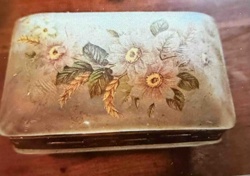
Submitted item photo
Submitted photo · June 28, 2026

User's notes

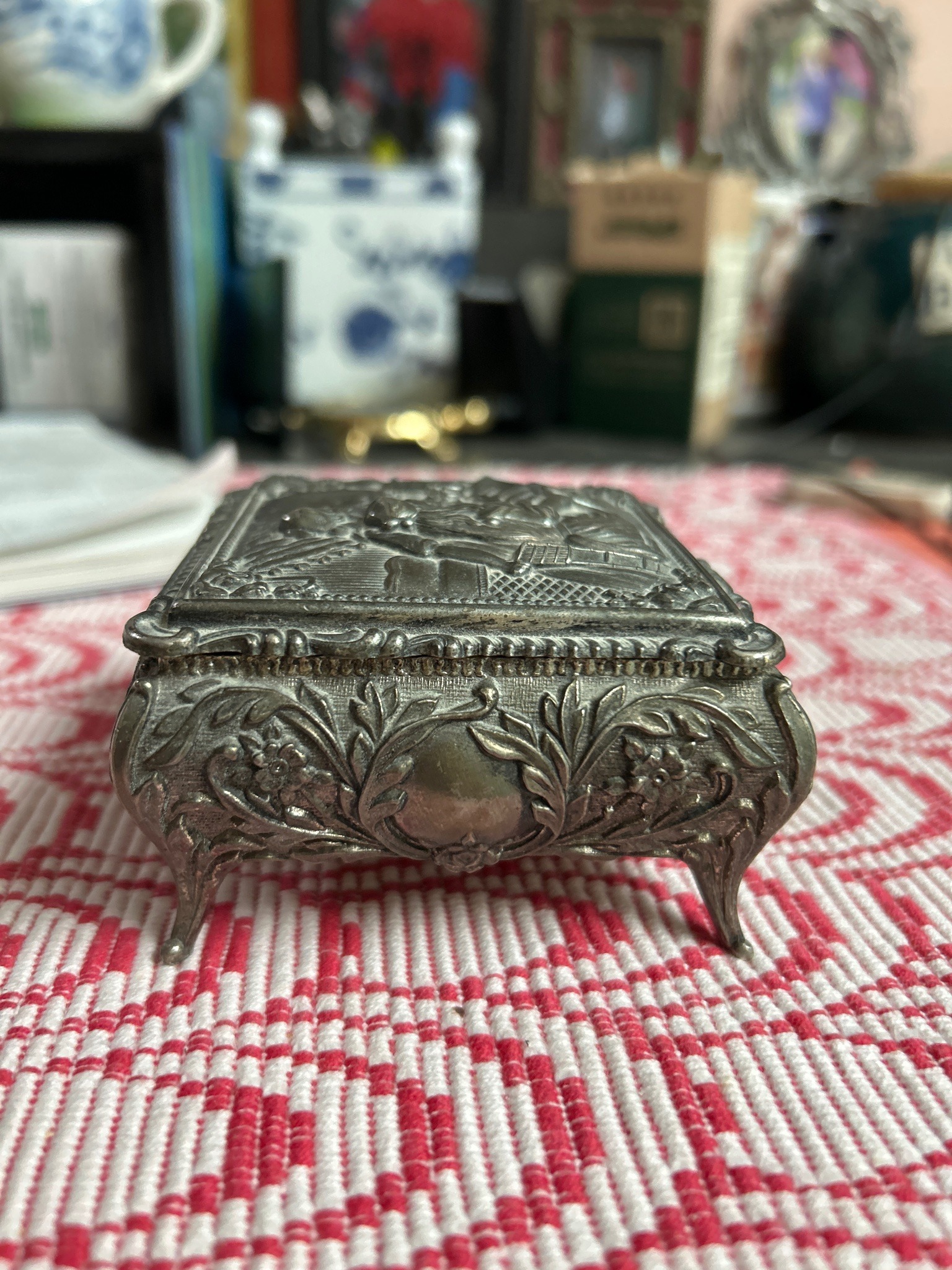
square little metal box. 1 inch high and 2 inches wide. It opens to a red cloth velveteen lining. The ornate box has a raised design of a young woman playing a piano or similar instrument. The background looks to be Victorian decor. The box appears to possibly be pewter.

AI analysis below

AI appraisal

AI analysis & estimate

AI-Generated · Verify before acting

Everything below is generated by AI for informational purposes only. AI can make mistakes — the AI may misidentify items or misattribute them (artist, maker, brand, designer, origin, era). This is not an official valuation and should not be used for insurance, sale, tax, estate, legal, or lending purposes — or any decision requiring a certified appraisal. It is not an authoritative claim about any person, brand, or rights holder — do not share or rely on it as a factual statement about a third party. Always consult qualified professionals before making financial decisions.

Note

This analysis also relies on unverified notes provided by the user, which may be incomplete or inaccurate and could affect the result.

Read the full disclaimer

AI Identification

·Not independently authenticated·Verify before acting

Art Nouveau Style Ornate Pewter Trinket Box

Antiques & Collectibles - Trinket Boxes

AI Estimated Value

·Not an official valuation·Verify before acting

$25.00-$45.00

As of June 28, 2026

AI Item Analysis

·AI can make mistakes·Verify before acting
This small, square-shaped ornate trinket box measures approximately 2 inches wide and 1 inch high. Constructed from a non-magnetic gray metal consistently appearing to be pewter, the box features a hinged lid with a highly detailed repoussé design. The central scene on the lid depicts a young woman in Victorian-era attire seated and playing a keyboard instrument, likely a square piano or harpsichord, within a formal domestic setting. The sides of the box are heavily embellished with scrolls, acanthus leaves, and floral motifs in an Art Nouveau or Neo-Rococo style. It stands on four delicate cabriole-style feet that flare outward. The interior is lined with a vibrant red velveteen fabric, which is a common characteristic of mid-20th-century jewelry and trinket boxes. The metal exhibits a darkened patina in recessed areas, which highlights the Three-dimensional relief, while high points show some signs of polish and wear from handling. There are no major dents visible, but there is minor spotting and oxidation consistent with age. This item is typical of silver-tone giftware produced in the mid-20th century, drawing inspiration from late Victorian decorative arts. Its craftsmanship shows good attention to detail in the mold casting, particularly in the textured background and the figurative scene on the lid.
AI Appraisal Report

·AI can make mistakes·Verify before acting
I have carefully examined the provided images and descriptions of this Art Nouveau-style ornate pewter trinket box. Measuring 2 inches by 1 inch, the piece serves as a characteristic example of mid-20th-century decorative giftware rather than an 18th or 19th-century antique. The use of a red velveteen lining and the specific casting quality of the repoussé lid—depicting a woman at a keyboard—suggests production between 1940 and 1960. The condition is good, with a natural aged patina in the recesses and minor oxidation typical for a lead-free pewter alloy. While the design draws heavily from Victorian and Neo-Rococo aesthetics, the foot structure and hinge mechanism are consistent with mass-produced vanity items of the mid-century era. The market for such trinket boxes is stable but driven primarily by collectors of 'charming' vintage vanity décor rather than high-end antique investors. Comparables for similar silver-tone white metal boxes regularly realize prices in the $20 to $50 range at retail and online auctions. Significant value increases are prevented by the lack of maker's marks or precious metal content. Please note that my evaluation is based on visual data alone. A physical inspection is required to definitively confirm the metallurgical composition and to check for hidden hallmarks under the lining. Scientific testing (XRF) would be necessary to verify the exact metal purity, and provenance documentation could help establish a more precise manufacturing date.

Get your items appraised

Instant estimates of your treasures with AI-powered appraisals

Browse More Appraisals