AI Appraisal Estimate

AI-generated estimates · not official valuations

From the user

What was submitted

Photo and notes provided by the user — not generated by AI

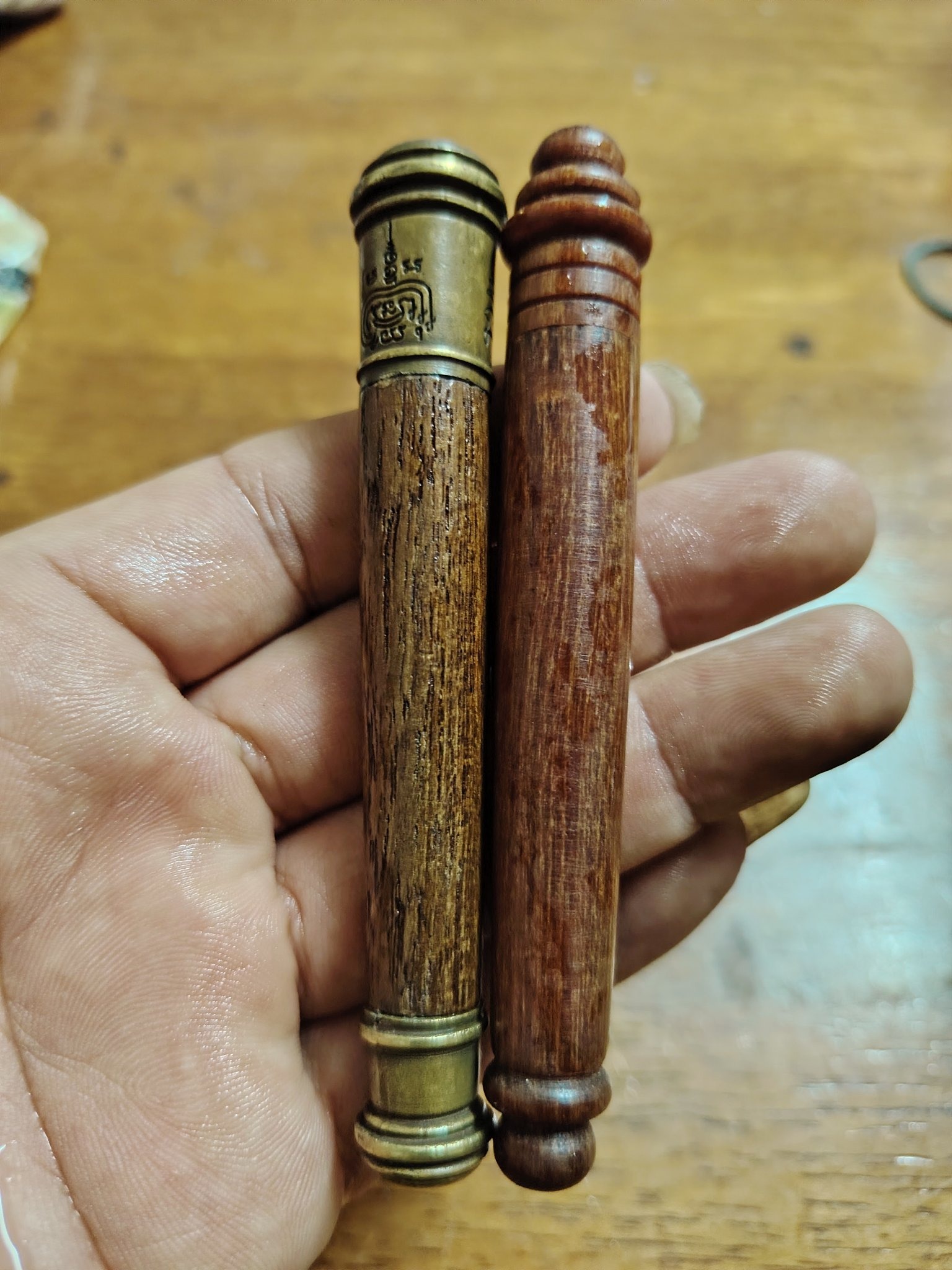
Submitted item photo
Submitted photo · May 25, 2026

User's notes

No additional notes provided.

AI analysis below

AI appraisal

AI analysis & estimate

AI-Generated · Verify before acting

Everything below is generated by AI for informational purposes only. AI can make mistakes — the AI may misidentify items or misattribute them (artist, maker, brand, designer, origin, era). This is not an official valuation and should not be used for insurance, sale, tax, estate, legal, or lending purposes — or any decision requiring a certified appraisal. It is not an authoritative claim about any person, brand, or rights holder — do not share or rely on it as a factual statement about a third party. Always consult qualified professionals before making financial decisions.

Read the full disclaimer

AI Identification

·Not independently authenticated·Verify before acting

Talismanic wood and metal cases, consistent with Southeast Asian amulets

Religious and Cultural Artifacts

AI Estimated Value

·Not an official valuation·Verify before acting

$100 - $250

As of May 25, 2026

AI Item Analysis

·AI can make mistakes·Verify before acting
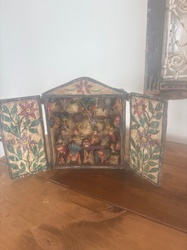
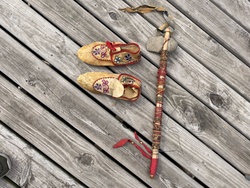
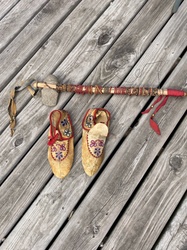
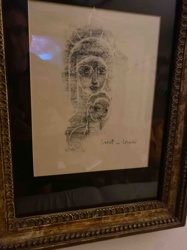
Two small, cylindrical cases held in a hand for scale, measuring approximately 3 to 4 inches in length. The item on the left is constructed from a dark, open-grained wood consistent with tropical hardwoods, capped at both ends with a brass or bronze-toned metal. The top metal collar bears an engraved or stamped script and a 'Yant' symbol, consistent with Thai or Khmer sacred geometry. The item on the right is carved entirely from a reddish-brown wood, featuring concentric ring turnings at both the top and base. Both objects appear to be protective cases for sacred scrolls (Takrut) or amulets. The materials show signs of handling and a natural patina, particularly the metal components which exhibit surface oxidation and darkening in recessed areas. The construction is hand-finished, indicating a craft-based origin likely from the mid-to-late 20th century, though a physical inspection would be required to estimate age. The identification is considered a hypothesis based on visible iconography often associated with Southeast Asian Buddhist or folk traditions; no definitive labels or serial markings are present to confirm a specific maker or monastery.
AI Appraisal Report

·AI can make mistakes·Verify before acting
I have examined the images of two cylindrical cases, which appear to be talismanic holders or Takrut cases consistent with Southeast Asian spiritual traditions. Based on what I can see, the pieces utilize materials and iconography, such as the Yant-style engravings on the metal cap, that suggest a mid-to-late 20th-century origin. However, I cannot verify the specific wood species or the exact composition of the metal alloys from a photo alone; a physical inspection would be required to determine if the caps are brass, bronze, or a plated base metal. The valuation of $100 to $250 is based on the hypothesis that these are hand-crafted items from a recognized monastic or folk tradition. In the current market, demand for such spiritual artifacts is driven by the perceived lineage or the specific blessing associated with the object. Since no provenance or temple certifications are present, this estimate reflects their value as decorative or ethnographic collectibles. If these were found to be mass-produced modern souvenirs or 'in the style of' older amulets without sacred utility, the value would likely drop below $50 for the pair. To establish a more precise value, an in-person examination by an expert in Thai or Khmer numismatics and talismans would be necessary to interpret the specific script and assess the natural patina. Professional authentication of the sacred scrolls typically housed inside—if any—would also significantly impact the marketability. Without documented provenance or scientific testing of the wood and metal to confirm age, these must be treated as unattributed cultural objects whose value remains speculative and dependent on the buyer's interest in the aesthetic and symbolic elements of the pieces.

Get your items appraised

Instant estimates of your treasures with AI-powered appraisals

Browse More Appraisals