AI Appraisal Estimate

AI-generated estimates · not official valuations

From the user

What was submitted

Photo and notes provided by the user — not generated by AI

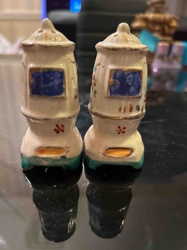
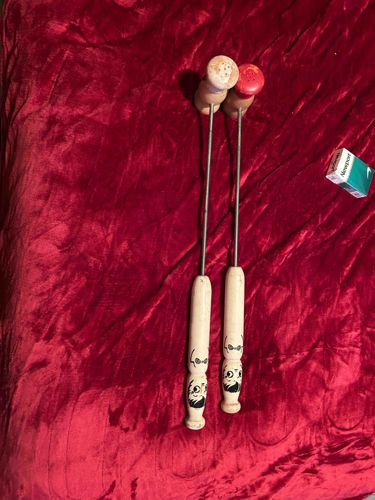
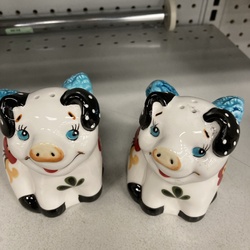
Submitted item photo
Submitted photo · June 3, 2026

User's notes

No additional notes provided.

AI analysis below

AI appraisal

AI analysis & estimate

AI-Generated · Verify before acting

Everything below is generated by AI for informational purposes only. AI can make mistakes — the AI may misidentify items or misattribute them (artist, maker, brand, designer, origin, era). This is not an official valuation and should not be used for insurance, sale, tax, estate, legal, or lending purposes — or any decision requiring a certified appraisal. It is not an authoritative claim about any person, brand, or rights holder — do not share or rely on it as a factual statement about a third party. Always consult qualified professionals before making financial decisions.

Read the full disclaimer

AI Identification

·Not independently authenticated·Verify before acting

Vintage Novelty Wood-Handled Salt and Pepper Shaker Wands

Vintage Kitchenware & Collectibles

AI Estimated Value

·Not an official valuation·Verify before acting

$25.00 - $45.00

As of June 3, 2026

AI Item Analysis

·AI can make mistakes·Verify before acting
This is a pair of vintage novelty salt and pepper shakers featuring elongated metal rods connecting hand-painted wooden handles to wooden shaker heads. The items appear to be mid-20th-century kitchenware, likely from the 1940s or 1950s. The handles are carved from wood in a cylindrical shape with decorative bulbous ends, featuring hand-painted whimsical facial features that resemble stylized panda or bear characters with large eyes and spectacles. The heads of the shakers are also wooden, with one painted red and the other left in a natural or off-white finish to distinguish between salt and pepper contents. Holes are drilled in the top of each bulbous head for dispensing. The construction consists of a metal rod, likely steel or chrome plating, connecting the two wooden components. The condition shows visible signs of age and patina; there is significant paint loss and chipping on the shaker heads, particularly on the white/natural one, and some fading of the handle illustrations. The metal rods show some dulling or minor surface oxidation consistent with age. There are no clearly visible maker's marks or stamps in the current image orientation, though they are typical of Japanese or American novelty imports from the mid-century era. The craftsmanship is folk-art adjacent, characterized by simple turned-wood shapes and charming if rudimentary hand-applied decoration.
AI Appraisal Report

·AI can make mistakes·Verify before acting
I have virtually examined this pair of novelty 'shaker wands' from the mid-20th century, approximately 1940-1955. These items reflect the 'kitschy' kitchen aesthetic popular in the post-war era, likely originating from Japan or a domestic American manufacturer like Holt-Howard or a similar novelty import/export firm. The hand-painted anthropomorphic handles and simple turned-wood heads characterize a era of folk-inspired mass production. Condition is the primary factor impacting current market value. My examination reveals significant paint loss and 'crazing' on the dispenser heads—particularly the white pepper wand—and some oxidation on the metal shafts. While the whimsical bear-like illustrations remain largely intact, the overall wear suggests these were functional tools rather than cabinet-protected collectibles. In the current market, vintage novelty shakers of this type remain popular among niche kitchenware collectors, but prices are capped by the high volume of similar items produced during the mid-century and the current distressed condition. Authentication via digital image is inherently limited. To certify these as 'original' versus later 1970s reproductions, I would need to inspect the drill patterns on the shaker holes and test the metal alloy for specific oxidative properties. A physical search for a 'Japan' or 'Made in USA' stamp—often found on the base of the handle or hidden beneath the metal collar—would be required for definitive provenance. For a final valuation, I would also need to confirm the structural integrity of the wood-to-metal joints, as these points are prone to dry-rot and glue failure over 70 years.

Get your items appraised

Instant estimates of your treasures with AI-powered appraisals

Browse More Appraisals