AI identification & appraisal estimate

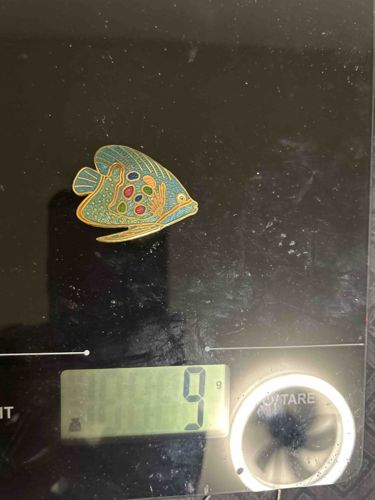
Cloisonné Enamel Fish Brooch

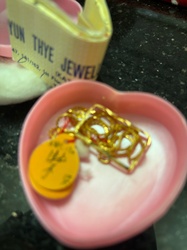
Submitted photo of Cloisonné Enamel Fish Brooch
Photo submitted by the user — not generated by AI

User's notes

9 grams fish brooch

These notes were written by the person who submitted this item. Appraiser.AI has not verified them, and the AI's identification and estimate may rely on them.

AI Estimated Value

Not an official valuation

$25-45

AI estimate as of November 5, 2025 · verify with a professional before acting

AI-Generated · Verify before acting

Everything on this page is generated by AI for informational purposes only. AI can make mistakes — the AI may misidentify items or misattribute them (artist, maker, brand, designer, origin, era). This is not an official valuation and should not be used for insurance, sale, tax, estate, legal, or lending purposes — or any decision requiring a certified appraisal. It is not an authoritative claim about any person, brand, or rights holder — do not share or rely on it as a factual statement about a third party. Always consult qualified professionals before making financial decisions.

This analysis also relies on unverified notes provided by the user, which may be incomplete or inaccurate and could affect the result.

Read the full disclaimer

AI Item Analysis

This is a decorative brooch crafted in the shape of a fish, likely representing a tropical or Angelfish species due to its fin configuration and body shape. The brooch features vibrant cloisonné enamel work, a technique where thin wires are used to create compartments that are then filled with colored enamel. The primary color palette consists of various shades of blue and green, applied to the body and fins. The fish's body is adorned with circular motifs in red, orange, and yellow, adding a contrasting and playful element to its design. The wire work, which outlines these patterns and the fish's features, appears to be made of a gold-toned metal, possibly brass or gilt metal, which also forms the base of the brooch. The texture created by the enamel and wire gives the piece a tactile quality. The craftsmanship seems detailed, with each enamel segment neatly confined within its wire outline, suggesting a relatively good quality of execution for this type of jewelry. There are no immediately visible signs of significant wear, damage, or repairs from the provided image, though a closer inspection would be needed to confirm the absence of chips or cracks in the enamel, or tarnish to the metal. The item weighs 9 grams as indicated by the digital scale. This style of enamel work is often associated with Asian artistic traditions, particularly from the early to mid-20th century onwards, or reproductions thereof. It functions as a piece of costume jewelry designed to be pinned onto clothing.
AI Appraisal Report

Upon visual examination of the provided image and description, I have assessed this cloisonné enamel fish brooch. The item is a well-executed piece of costume jewelry, likely dating from the mid to late 20th century. The vibrant enamel work is consistent with Chinese export wares from this period. The use of a gold-toned base metal, possibly brass, and the 9-gram weight are typical for this category of decorative accessory. From the image, the condition appears to be very good, with no visible chips, cracks, or significant loss to the enamel or metal finish. The market for vintage Chinese cloisonné costume jewelry is relatively active but generally modest in value. Comparable fish-themed brooches of similar quality and condition frequently sell at auction and online marketplaces in the $25 to $45 range. The value is primarily driven by its decorative appeal rather than material worth. The lack of precious metals (like sterling silver or gold) or gemstones, and its likely mass-produced origin, places it firmly in the costume jewelry category, which limits its value potential. It is crucial to note the limitations of this appraisal. Without physical inspection, I cannot definitively confirm the metal content or test its purity. A full authentication would require examining for maker's marks under magnification, which could identify a notable workshop. However, such marks are uncommon on this type of item. The primary value factor is its condition and aesthetic charm, both of which appear strong, justifying its placement at the higher end of the typical market range for such pieces.

Keep exploring

More jewelry appraisals

Get your items appraised

Instant AI-powered appraisal estimates from a photo

Browse More Appraisals