AI Appraisal Estimate

AI-generated estimates · not official valuations

From the user

What was submitted

Photo and notes provided by the user — not generated by AI

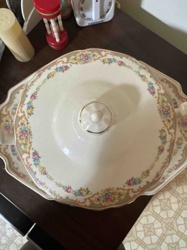
Submitted item photo
Submitted photo · June 6, 2026

User's notes

No additional notes provided.

AI analysis below

AI appraisal

AI analysis & estimate

AI-Generated · Verify before acting

Everything below is generated by AI for informational purposes only. AI can make mistakes — the AI may misidentify items or misattribute them (artist, maker, brand, designer, origin, era). This is not an official valuation and should not be used for insurance, sale, tax, estate, legal, or lending purposes — or any decision requiring a certified appraisal. It is not an authoritative claim about any person, brand, or rights holder — do not share or rely on it as a factual statement about a third party. Always consult qualified professionals before making financial decisions.

Read the full disclaimer

AI Identification

·Not independently authenticated·Verify before acting

Clear Pressed Glass Deviled Egg Plate with Scalloped Edges

Dinnerware/Serving Dish

AI Estimated Value

·Not an official valuation·Verify before acting

$15-35

As of June 6, 2026

AI Item Analysis

·AI can make mistakes·Verify before acting
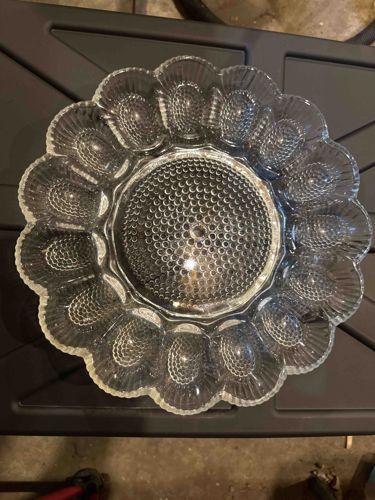
This is a clear pressed glass deviled egg plate, circular in shape with distinct scalloped edges. The plate is designed with 15 individual depressions for holding deviled eggs, arranged in a radial pattern around a central circular area. Each egg depression features a textured, hobnail-like or dimpled pattern on its base, providing both visual interest and potentially preventing the eggs from sliding. The central circular area of the plate also exhibits a dense hobnail or raised dot pattern, extending across its entire surface. The glass appears to be of standard clarity, transparent and uncolored. The scalloped edges are well-defined, suggesting a molded manufacturing process typical of pressed glass. There are no readily apparent maker's marks, signatures, or stamps visible in the provided image. The overall condition appears good, with no obvious chips, cracks, or significant wear visible, though a more detailed inspection might reveal minor surface scratches or use-related wear common with vintage glass items. The style suggests it could date from the mid-20th century, a common period for decorative and functional pressed glass tableware. The craftsmanship is utilitarian but decorative, typical for serving dishes of this type during its probable era of manufacture. The intricate hobnail patterns add a touch of elegance and visual texture.
AI Appraisal Report

·AI can make mistakes·Verify before acting
Upon visual examination of the images, this clear pressed glass deviled egg plate appears to be a well-preserved example of mid-20th century American tableware. The piece, featuring scalloped edges and a prominent hobnail or 'Stippled Star' pattern across its 15 egg depressions and central circle, is in good condition with no visible chips or cracks. This style was popularized by manufacturers like Anchor Hocking (under its Fire-King brand, pattern often called 'Wexford') and Indiana Glass Company during that era. The lack of a visible maker's mark is common for these mass-produced utilitarian items. The market for such deviled egg plates is generally stable, driven by collectors of pressed glass and individuals seeking vintage items for entertaining, particularly around holidays. Current market comparables for unmarked, clear glass plates of this specific type and pattern consistently sell in the $15 to $35 range on online marketplaces and in vintage shops. The value is primarily influenced by its excellent condition and functional, decorative appeal rather than rarity. Being unmarked, it does not command the premium that a confirmed, sought-after pattern from a major manufacturer might. The primary factor limiting its value is its commonality; these were produced in large quantities. It is important to note the limitations of an appraisal based solely on images. I cannot physically inspect for minor surface scratches, manufacturing flaws, or subtle signs of wear that would affect the final value. Full authentication would require an in-person examination to feel for glass quality, mold seam sharpness, and to search for any faint, hidden maker's marks that are not visible in the photographs.

Get your items appraised

Instant estimates of your treasures with AI-powered appraisals

Browse More Appraisals