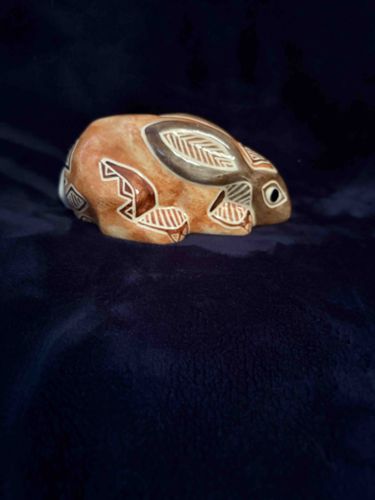
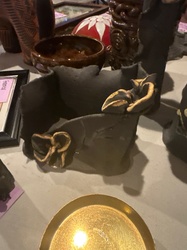
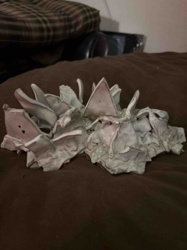
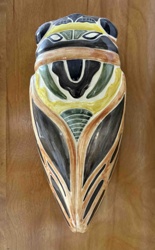
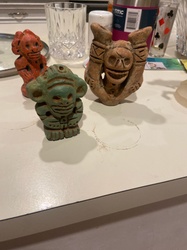
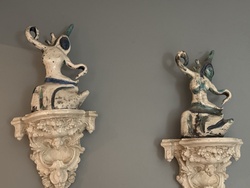
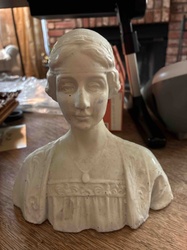
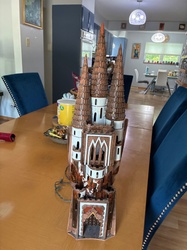
6x 3 1/2 Shearwater hand painted bunny. Marked with artsy marking and a date of 2017
These notes were written by the person who submitted this item. Appraiser.AI has not verified them, and the AI's identification and estimate may rely on them.
AI Estimated Value
Not an official valuation
$150-250
AI estimate as of June 23, 2025 · verify with a professional before acting
AI-Generated · Verify before acting
Everything on this page is generated by AI for informational purposes only. AI can make mistakes — the AI may misidentify items or misattribute them (artist, maker, brand, designer, origin, era). This is not an official valuation and should not be used for insurance, sale, tax, estate, legal, or lending purposes — or any decision requiring a certified appraisal. It is not an authoritative claim about any person, brand, or rights holder — do not share or rely on it as a factual statement about a third party. Always consult qualified professionals before making financial decisions.
This analysis also relies on unverified notes provided by the user, which may be incomplete or inaccurate and could affect the result.
This item is a Shearwater hand-painted ceramic bunny, measuring approximately 6 inches in length and 3.5 inches in width. It features a recumbent posture, characteristic of a sleeping or resting rabbit. The primary color of the ceramic is a warm, earthy brown, with areas of darker brown and off-white used for decorative patterns. The surface appears to have a matte or slightly satin finish, indicating it may be unglazed or have a specialized lead-free glaze. Notable features include intricate hand-painted designs across the body, utilizing geometric motifs and stylized natural elements such as leaves. These patterns are rendered in contrasting darker browns and off-white lines, creating a folk art or tribal aesthetic. The eyes of the bunny are depicted as simple, dark circles outlined in white, contributing to its charming, minimalist appearance. The craftsmanship suggests a handmade piece, with visible brushstrokes and perhaps minor irregularities in the surface or paint application, which enhance its artisanal appeal. Based on the provided context, the item is marked with an "artsy marking" and dated 2017, indicating it is relatively contemporary. The condition appears excellent with no visible chips, cracks, or significant wear to the paint from the provided image. The overall quality is high, reflecting careful execution in both the molding of the form and the hand-painting.
AI Appraisal Report
Based on my examination of the Shearwater hand-painted ceramic bunny, measuring 6x3.5 inches and dated 2017, I assess its condition as excellent. The details describe no visible chips, cracks, or significant wear, which is crucial for ceramic pieces. The presence of an "artsy marking" further supports its authenticity as a studio piece. From the image, the hand-painted details, including geometric and stylized natural motifs, suggest a high level of craftsmanship. The matte or satin finish indicates a specialized glaze or unglazed surface, common in artisanal ceramics.
For market conditions, Shearwater pottery, particularly hand-painted ceramic animals, tends to hold value within the collectible folk art and studio pottery markets. Comparables often include other contemporary folk art ceramics or studio pottery from established artisans, where the artist's reputation, size, and intricacy of design dictate value.
Demand for unique, handmade animal figurines with a distinct artistic style is generally consistent among collectors. While not exceptionally rare given its 2017 date, its uniqueness as a hand-painted piece by a specific studio contributes to its desirability. Factors significantly impacting value include its excellent condition, the recognizable "artsy marking" tying it to Shearwater, and the charming, detailed hand-painting.
It is important to note the limitations of image-based appraisal. While the image and description suggest authenticity, a definitive verification would ideally involve an in-person examination to confirm the texture, weight, and precise brushwork. Physical inspection would also allow for a more thorough search for micro-blemishes not visible in images. Provenance documentation, such as original purchase receipts or artist's certificates, though not critical for a piece this recent, would provide an additional layer of authentication. No scientific testing is typically needed for contemporary studio pottery unless there are specific concerns about materials or dating, which is not the case here.