AI identification & appraisal estimate

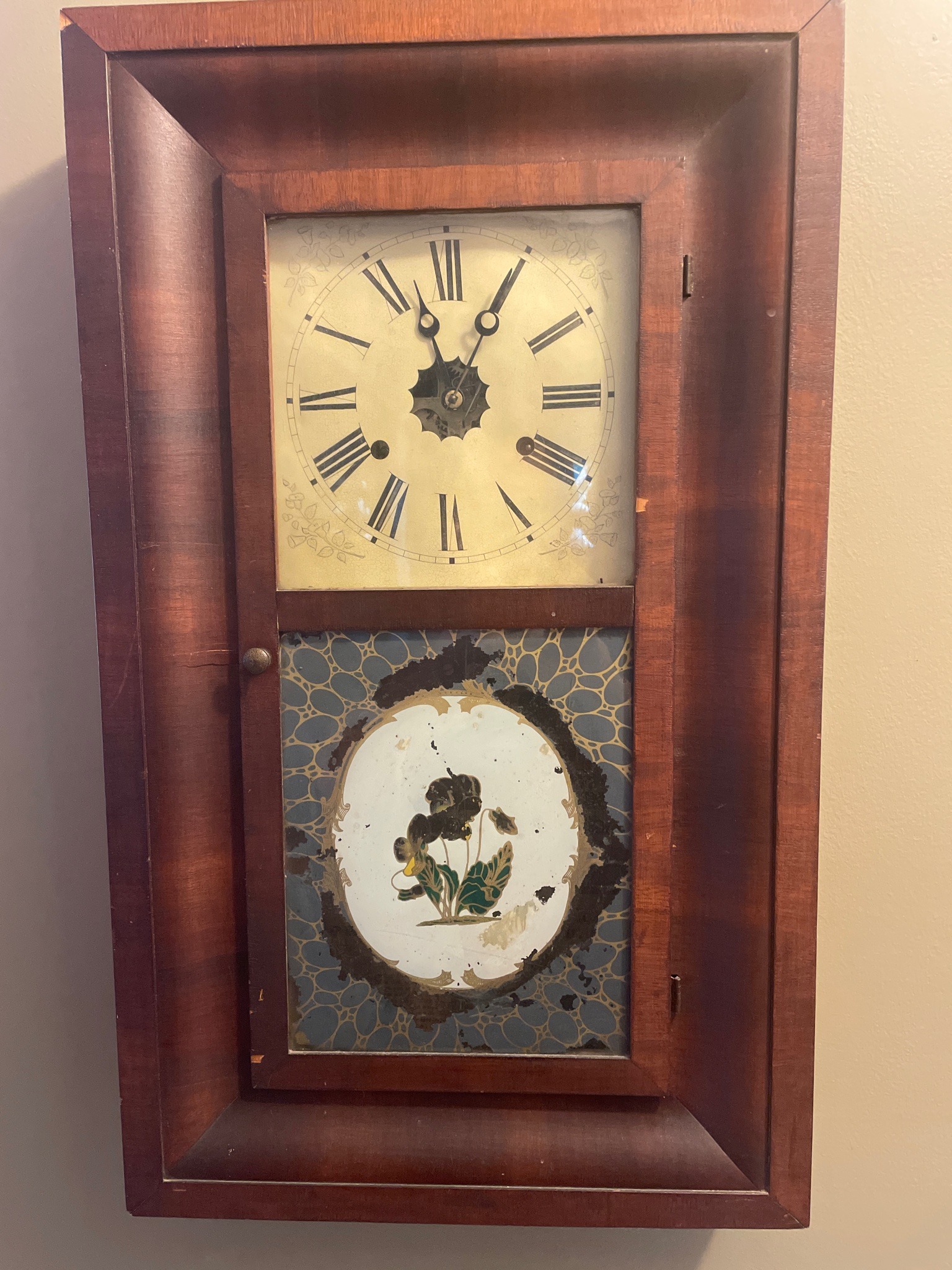
Antique wooden wall clock in the Ogee style

This name is the AI's identification of the item — it may be incorrect.

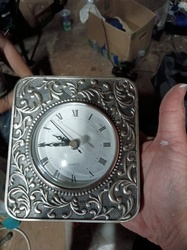
Submitted photo of Antique wooden wall clock in the Ogee style
Photo submitted by the user — not generated by AI

User's notes

E N Welch 30 Hour Clock

These notes were written by the person who submitted this item. Appraiser.AI has not verified them, and the AI's identification and estimate may rely on them.

AI Estimated Value

Not an official valuation

$150 - $300

AI estimate as of July 28, 2026 · verify with a professional before acting

AI-Generated · Verify before acting

Everything on this page is generated by AI for informational purposes only. AI can make mistakes — the AI may misidentify items or misattribute them (artist, maker, brand, designer, origin, era). This is not an official valuation and should not be used for insurance, sale, tax, estate, legal, or lending purposes — or any decision requiring a certified appraisal. It is not an authoritative claim about any person, brand, or rights holder — do not share or rely on it as a factual statement about a third party. Always consult qualified professionals before making financial decisions.

This analysis also relies on unverified notes provided by the user, which may be incomplete or inaccurate and could affect the result.

Read the full disclaimer

AI Item Analysis

This physical item is a rectangular wooden wall clock featuring an Ogee-style mahogany-veneered wooden case with slanted inner bezels framing the front glass door. The upper section contains a white or cream-colored paper or painted dial with black Roman numerals and decorative floral corner spandrels, complete with dark metal spade hands. The lower glass panel features a decorative reverse-painted tablet displaying a central oval medallion with a floral motif (resembling pansies or similar blossoms) surrounded by a blue-and-gold patterned border. Regarding condition, the piece shows moderate age-related wear, including significant flaking, loss, and discoloration of the reverse-painted design on the lower glass tablet, along with minor surface scuffs, finish wear, and veneer blemishes consistent with a vintage or antique domestic timepiece. The style and construction appear consistent with mid-to-late 19th-century American wall clocks, often referred to as Ogee clocks. However, no maker's mark, stamp, or signature is directly visible from this angle on the exterior dial or case; therefore, the identification is hedged as Ogee-style rather than attributed to a specific manufacturer. The owner has provided unverified context, identifying the piece as an E N Welch 30 Hour Clock, but this claim remains unverified without physical inspection of the interior movement or paper label. The clock displays traditional craftsmanship typical of mass-produced American shelf and wall clocks from the Victorian era, though thorough in-house inspection by an horological expert would be necessary to evaluate its internal mechanics and overall integrity.
AI Appraisal Report

Based on what I can see in the photograph, this wall clock features characteristics typical of mid-to-late 19th-century American Ogee-style clocks, including the mahogany-veneered rectangular case, the painted Roman numeral dial, and the lower reverse-painted glass tablet with a floral motif. Per user submission, the piece is identified as an E.N. Welch 30-hour clock; however, I can't verify from a photo whether the movement, interior label, or hardware match this specific maker, as no manufacturer's mark is visible from the exterior. Additionally, the piece exhibits moderate age-related wear, notably significant flaking, loss, and discoloration on the lower reverse-painted tablet, along with surface scuffs and veneer blemishes. Based on the assumption that the attribution is correct and the internal movement is operational, comparable antique American Ogee clocks typically trade in the $150 to $300 range, depending heavily on the condition of the mechanism and dial. If the clock turns out to be an unattributed example, a later replica, or in the style of a 19th-century timepiece, the value would likely drop to the $50 to $100 range. To confirm authenticity, maker attribution, and overall working condition, an in-person examination by an horological expert is required to inspect the interior movement and any maker's labels.

Keep exploring

More clocks appraisals

Get your items appraised

Instant AI-powered appraisal estimates from a photo

Browse More Appraisals