AI identification & appraisal estimate

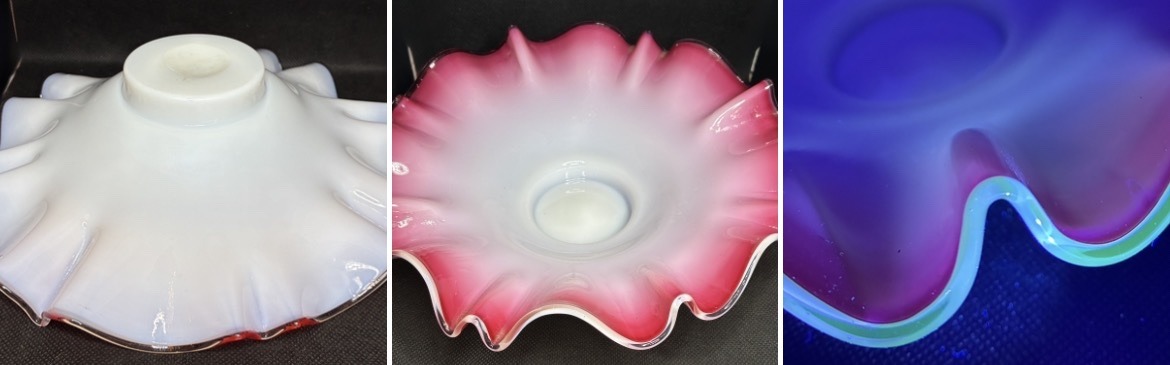
Victorian cranberry opalescent glass bowl

Submitted photo of Victorian cranberry opalescent glass bowl
Photo submitted by the user — not generated by AI

User's notes

Diameter 22cm Height 6cm Weight 354 grams

These notes were written by the person who submitted this item. Appraiser.AI has not verified them, and the AI's identification and estimate may rely on them.

AI Estimated Value

Not an official valuation

$150-$250

AI estimate as of October 28, 2026 · verify with a professional before acting

AI-Generated · Verify before acting

Everything on this page is generated by AI for informational purposes only. AI can make mistakes — the AI may misidentify items or misattribute them (artist, maker, brand, designer, origin, era). This is not an official valuation and should not be used for insurance, sale, tax, estate, legal, or lending purposes — or any decision requiring a certified appraisal. It is not an authoritative claim about any person, brand, or rights holder — do not share or rely on it as a factual statement about a third party. Always consult qualified professionals before making financial decisions.

This analysis also relies on unverified notes provided by the user, which may be incomplete or inaccurate and could affect the result.

Read the full disclaimer

AI Item Analysis

This decorative glass bowl displays physical characteristics consistent with Victorian-era opalescent art glass production, often associated with makers like Fenton, Hobbs Brockunier, or Northwood, though no maker's mark is visible in the provided photographs. The bowl features a vibrant shaded cranberry or pink color transitioning into a milky white opalescent border along the deeply ruffled and crimped rim. The interior and exterior surfaces are glossy and smooth, finished with a central circular foot ring on the underside that shows a ground and polished pontil mark or base edge. Under ultraviolet light, the glass exhibits a characteristic reaction. The dimensions provided by the owner (unverified by physical inspection) are approximately 22 centimeters in diameter, 6 centimeters in height, and 354 grams in weight. The visual style is indicative of late 19th-century pressed or blown-molded glass techniques, specifically thumbprint or coin dot opalescent patterns commonly found in Victorian tablewares. No obvious chips, cracks, or major repairs are apparent in the images, though light surface wear and minor manufacturing inclusions such as tiny bubbles within the glass matrix may be present. The identification rests entirely on the stylistic form, coloration, and opalescent properties visible in the photographs, as there are no legible signatures, stamps, or labels to confirm a specific maker or exact date of manufacture. The owner-supplied measurements of 22cm diameter, 6cm height, and 354g weight are unverified by us.

AI Appraisal Report

Based on what I can see in the provided photographs, this decorative glass bowl exhibits visual characteristics consistent with late 19th-century Victorian opalescent art glass production, such as a vibrant shaded cranberry tone transitioning to a milky white ruffled border. Per user submission, the piece is attributed to makers like Fenton, Hobbs Brockunier, or Northwood, though I can't verify from a photo whether it is definitively by any of these makers as no visible signatures or maker's marks are apparent. The owner-supplied measurements of 22cm diameter, 6cm height, and 354 grams in weight would need physical inspection to confirm. My value estimate of $150-$250 assumes the hypothetical attribution is correct. In general market conditions, Victorian opalescent tableware sees steady demand from collectors of period glass, though values fluctuate based on condition and specific pattern rarity. If physical inspection reveals the item is a later reproduction, replica, copy, or produced 'in the style of' rather than an authentic period piece, the market value would likely decrease significantly to the $30-$60 range. To confirm authenticity and solidify the attribution, the piece would require in-person examination by a qualified glass specialist, detailed inspection of the ground and polished pontil mark, and assessment of the glass matrix and ultraviolet light reaction.

Keep exploring

More art glass appraisals

Get your items appraised

Instant AI-powered appraisal estimates from a photo

Browse More Appraisals