AI Appraisal Estimate

AI-generated estimates · not official valuations

From the user

What was submitted

Photo and notes provided by the user — not generated by AI

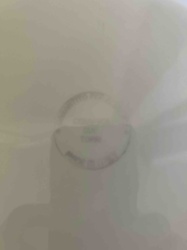
Submitted item photo
Submitted photo · May 21, 2026

User's notes

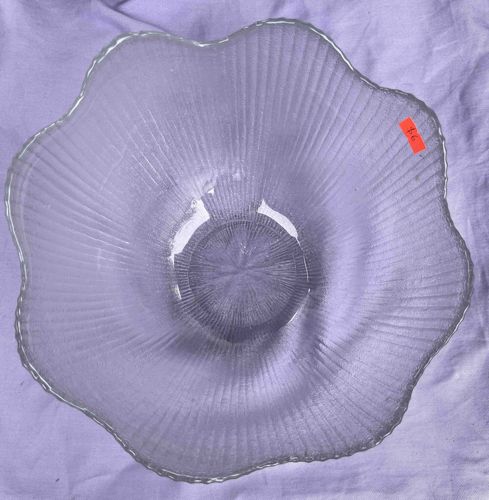
Clear glass scalloped edge bowl with 8 peaks. Glows green with UV 365nm. Paid $3 on op shop.

AI analysis below

AI appraisal

AI analysis & estimate

AI-Generated · Verify before acting

Everything below is generated by AI for informational purposes only. AI can make mistakes — the AI may misidentify items or misattribute them (artist, maker, brand, designer, origin, era). This is not an official valuation and should not be used for insurance, sale, tax, estate, legal, or lending purposes — or any decision requiring a certified appraisal. It is not an authoritative claim about any person, brand, or rights holder — do not share or rely on it as a factual statement about a third party. Always consult qualified professionals before making financial decisions.

Note

This analysis also relies on unverified notes provided by the user, which may be incomplete or inaccurate and could affect the result.

Read the full disclaimer

AI Identification

·Not independently authenticated·Verify before acting

Vintage Manganese Glass Scalloped Ribbed Bowl

Vintage Glassware / Collectible Kitchenware

AI Estimated Value

·Not an official valuation·Verify before acting

$12.00 - $18.00

As of May 21, 2026

AI Item Analysis

·AI can make mistakes·Verify before acting
This is a circular clear glass bowl featuring a distinct scalloped or 'flower-form' rim with eight gentle peaks. The body of the bowl is characterized by pressed radial ribs or 'optic' lines that emanate from the circular base toward the wavy rim, creating a textured exterior and a smooth interior. Based on the user's observation that the glass glows green under 365nm UV light, the material is identified as manganese glass rather than uranium glass (which would glow brighter under 395nm). This interaction suggests a manufacturing date in the mid-20th century, likely between the 1930s and 1950s, when manganese was frequently used as a clarifying agent to neutralize the natural green tint of iron impurities in glass. The bowl appears to be pressed glass, exhibiting a sturdy thickness and uniform pattern. Physically, it remains in good vintage condition with clear transparency; a small orange price tag is visible on the inner rim, but no major chips or cracks are apparent in the overhead view. The style is consistent with Depression-era or early Mid-Century Modern kitchenware, often produced by American companies like Federal Glass or Anchor Hocking. The scalloped edges and textured ribbing provide both decorative appeal and a better grip for functional use as a fruit or serving bowl.
AI Appraisal Report

·AI can make mistakes·Verify before acting
I have conducted a visual appraisal of this clear glass scalloped bowl. At approximately 5 to 7 inches in diameter, this piece exhibits characteristics typical of mid-century pressed glass. The presence of manganese, confirmed by the faint green fluorescence under a 365nm UV light, classifies this as 'manganese glass' rather than the more sought-after uranium glass. This indicates its use as a clarifying agent to produce colorless glass, common in the 1930s-1950s. The condition appears 'Good' to 'Excellent' vintage, with no visible flea bites or structural cracks, though micro-scratches from utility use are expected. The market for clear pressed glass utility bowls is currently saturated, dominated by household names like Federal Glass and Anchor Hocking. While the scalloped 'petal' rim adds aesthetic value, clear glass lacks the premium often commanded by colored 'Depression Glass' variants. Comparable sales at boutiques and online platforms suggest a retail value in the $15 range, confirming the $3 purchase was a bargain. This valuation assumes the piece is free of 'glass sickness' (permanent cloudiness). My assessment is limited to photographic evidence; a physical inspection is required to check for internal heat cracks, mold-mark sharpness, and tactile wear on the base. For absolute identification of the manufacturer, I would need to compare the rib count and base diameter against period-specific glass catalogs or patent glass molds. Documentation of its original box or association with a specific service set would enhance its collectibility.

Get your items appraised

Instant estimates of your treasures with AI-powered appraisals

Browse More Appraisals