AI estimate as of October 6, 2025 · verify with a professional before acting
AI-Generated · Verify before acting
Everything on this page is generated by AI for informational purposes only. AI can make mistakes — the AI may misidentify items or misattribute them (artist, maker, brand, designer, origin, era). This is not an official valuation and should not be used for insurance, sale, tax, estate, legal, or lending purposes — or any decision requiring a certified appraisal. It is not an authoritative claim about any person, brand, or rights holder — do not share or rely on it as a factual statement about a third party. Always consult qualified professionals before making financial decisions.
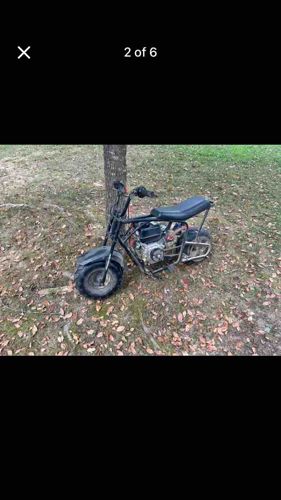
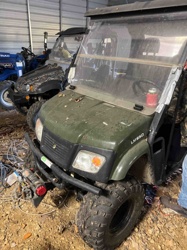
The item is a mini bike, characterized by its compact size and rugged construction, designed for off-road or recreational use. It features a black-painted tubular metal frame which appears to be welded. The handlebars are also black, with standard grips visible. A black, padded seat is positioned atop the rear frame, showing a slightly worn or textured surface. Powering the mini bike is a small internal combustion engine, prominently visible in the center of the frame, finished in a metallic gray or silver color, and it appears to be a single-cylinder, possibly a 212cc Predator or similar utility engine, often used for such applications. The exhaust system is visible, with a metallic pipe extending from the engine. The bike is equipped with knobby, off-road tires on both the front and rear, indicating its intended use on unpaved surfaces; the front tire is partially obscured by a black fender. The wheels appear to be made of metal, possibly steel, with a silver or dull chrome finish, showing some signs of age or exposure. There is visible surface rust or weathering on various metallic components, particularly on the engine mounts, the exhaust, and potentially on parts of the frame, suggesting outdoor storage or frequent use in varied conditions. The general condition appears to be used, with some signs of wear and tear consistent with recreational equipment. There are no clear manufacturer's marks or distinguishing logos immediately discernible from the image. The style is typical of a modern, basic mini bike, likely dating from the 2000s or newer, given its generic design and visible engine type, which are commonly available. The craftsmanship appears functional, designed for utility rather than high-end aesthetics.
AI Appraisal Report
Based on my visual examination of the provided image, this mini bike appears to be a basic, utilitarian model. The welded tubular metal frame, black finish, and common engine type (likely a 212cc Predator or similar) suggest a modern, off-the-shelf design typically found from the 2000s onward. Condition is a significant factor here; I observe visible surface rust, weathering on metallic components, and general wear and tear consistent with outdoor storage and recreational use. The knobby tires indicate its intended off-road purpose.
Market conditions for used, generic mini bikes are generally stable but not high, as these are often purchased for casual recreational use rather than as collector's items. Comparables typically include other entry-level mini bikes from brands like Coleman, Monster Moto, or other small factory direct models. Demand is moderate, particularly in rural or recreational areas, but rarity is low as these are mass-produced.
The primary factors impacting its value are its used condition, the generic nature of the components (especially the engine without a brand identity), and the lack of any unique features or manufacturer's marks. A functional engine is crucial for value; assuming it runs, it’s a usable recreational item.
My primary limitation in this appraisal is the lack of physical inspection. I cannot definitively verify the engine's operational status, the integrity of the frame welds, the condition of internal engine components, or the presence of any hidden damage. For full authentication and a more precise valuation, an in-person examination would be required to assess mechanical functionality, structural integrity, and identify any specific manufacturer markings or modifications not visible in the image.