AI identification & appraisal estimate

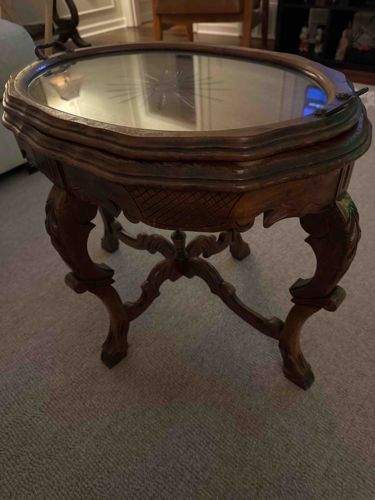
Victorian Style Carved Wood and Glass Top Occasional Table

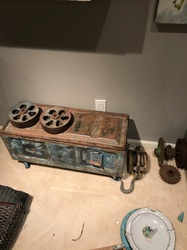
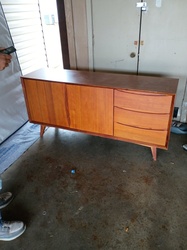
Submitted photo of Victorian Style Carved Wood and Glass Top Occasional Table
Photo submitted by the user — not generated by AI

AI Estimated Value

Not an official valuation

$250 - $450

AI estimate as of December 7, 2025 · verify with a professional before acting

AI-Generated · Verify before acting

Everything on this page is generated by AI for informational purposes only. AI can make mistakes — the AI may misidentify items or misattribute them (artist, maker, brand, designer, origin, era). This is not an official valuation and should not be used for insurance, sale, tax, estate, legal, or lending purposes — or any decision requiring a certified appraisal. It is not an authoritative claim about any person, brand, or rights holder — do not share or rely on it as a factual statement about a third party. Always consult qualified professionals before making financial decisions.

Read the full disclaimer

AI Item Analysis

This item is an occasional table, likely a parlor or side table, crafted from a medium-to-dark stained wood, possibly oak or walnut, given its rich tone and visible grain. The tabletop features an octagonal shape with a central, recessed glass insert. This glass appears to have a decorative, etched or frosted starburst pattern emanating from its center, adding a unique visual element. The surrounding wooden frame of the tabletop is intricately carved with a layered, stepped profile and possibly includes subtle scrolled details or foliate motifs along its edge. The apron below the tabletop exhibits further carving, including sections with a crosshatch or basket-weave pattern, interspersed with smooth, undulating surfaces. The table is supported by four cabriole legs, each heavily carved with acanthus leaves or similar scrolling floral designs that terminate in scrolled or claw-like feet, though the very bottom of the feet is partially obscured. The legs are connected by a stretcher base with a central finial or decorative element, adding to its stability and ornate aesthetic. The overall style suggests a late 19th or early 20th-century Victorian or Edwardian influence, characterized by its detailed carving and curvilinear forms. There are visible signs of wear consistent with age and use, including subtle scratches and scuffs on the wood and glass, and a general patina that enhances its antique appearance. No obvious major damage, repairs, or maker's marks are discernible from the provided images, but the darkness of the photo may conceal finer details. The craftsmanship appears to be of good quality, with well-executed carvings, indicating a piece produced by skilled artisans.
AI Appraisal Report

Upon visual examination, this is a Victorian revival-style occasional table, likely dating from the early to mid-20th century rather than the 19th-century Victorian period itself. The piece is constructed from a dark-stained wood, possibly walnut or oak, and features extensive carving. Notable elements include the octagonal top with its etched starburst glass insert, the carved apron, and the ornate cabriole legs joined by a lower stretcher. The overall condition appears fair to good for its age, showing typical signs of use such as minor scratches and a developed patina, with no major structural damage visible. Currently, the market for this particular 'brown furniture' style is relatively soft. While ornate, such pieces are not exceptionally rare, and demand is moderate, primarily from buyers seeking traditional decorative items. The quality of the carving is good but appears more consistent with machine-assisted production of the 20th century than the hand-carving of the original period. The primary factor influencing its value is the soft market demand for Victorian-style furniture and its likely 20th-century origin. A higher value would depend on finding a specific decorator or homeowner looking for this exact aesthetic. Limitations: This appraisal is based solely on images. Full authentication would require an in-person examination to identify specific tool marks, joinery techniques, the type and age of the wood, and any potential maker's marks not visible in the photos. Without this physical inspection and provenance documentation, I cannot definitively confirm the exact age, origin, or manufacturer, which could influence its value.

Keep exploring

More furniture appraisals

Get your items appraised

Instant AI-powered appraisal estimates from a photo

Browse More Appraisals