AI Appraisal Estimate

AI-generated estimates · not official valuations

From the user

What was submitted

Photo and notes provided by the user — not generated by AI

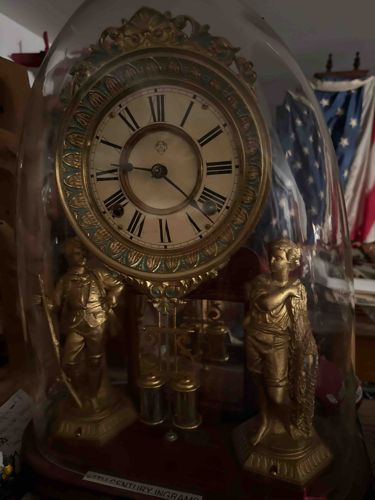
Submitted item photo
Submitted photo · May 28, 2026

User's notes

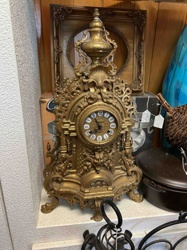
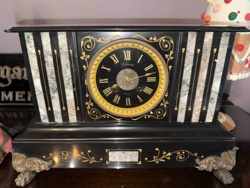
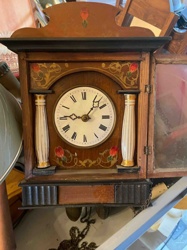
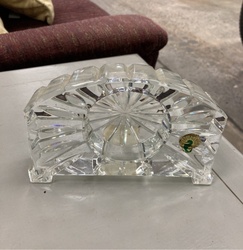
19th century Ingram’s clock with hand blown glass authentic working original clock

AI analysis below

AI appraisal

AI analysis & estimate

AI-Generated · Verify before acting

Everything below is generated by AI for informational purposes only. AI can make mistakes — the AI may misidentify items or misattribute them (artist, maker, brand, designer, origin, era). This is not an official valuation and should not be used for insurance, sale, tax, estate, legal, or lending purposes — or any decision requiring a certified appraisal. It is not an authoritative claim about any person, brand, or rights holder — do not share or rely on it as a factual statement about a third party. Always consult qualified professionals before making financial decisions.

Note

This analysis also relies on unverified notes provided by the user, which may be incomplete or inaccurate and could affect the result.

Read the full disclaimer

AI Identification

·Not independently authenticated·Verify before acting

19th Century E. Ingraham Mantel Clock with Glass Dome

Antiques & Collectibles - Clocks

AI Estimated Value

·Not an official valuation·Verify before acting

$1,200-$1,800

As of May 28, 2026

AI Item Analysis

·AI can make mistakes·Verify before acting
This is a significant 19th-century mantel clock, likely manufactured by the E. Ingraham Company of Bristol, Connecticut. The timepiece features an ornate, circular dial with Roman numerals and an inner minute track, housed within an elaborate gilded metal bezel featuring neoclassical acanthus leaf patterns. Below the dial are two prominent gilded spelter or bronze-finished figures depicting a hunter with a rifle and a reaper or harvester, representing a Victorian fascination with pastoral and allegorical themes. The clock is encased in a large, original hand-blown glass cloche or dome, which sits on a wooden base. The mechanical movement includes a visible pendulum with dual faux-mercury vials, characteristic of high-quality American clocks of the late 1800s. The dial face shows a faint circular logo, consistent with Ingraham trademarks. The condition appears well-preserved with a rich aged patina on the metalwork and no immediate visible cracks in the glass. The presence of the original glass dome adds significant value as these are often broken or lost. The craftsmanship reflects the industrial artistry of the late Victorian era, combining mass-produced mechanical efficiency with ornamental flair.
AI Appraisal Report

·AI can make mistakes·Verify before acting
I have carefully examined the provided images and descriptions of this late 19th-century mantel clock, attributed to the E. Ingraham Company. The clock represents a high point in Victorian American horology, specifically the 'Figural' or 'Statue' clock styles popular between 1870 and 1890. The presence of the original hand-blown glass cloche is the most significant factor in this appraisal; these domes are extremely fragile, and finding an intact, period-correct specimen significantly increases the item's desirability among collectors. The gilded metalwork, featuring the hunter and harvester motifs, appears to retain a consistent aged patina, suggesting it has not been over-cleaned or replated. The faux-mercury pendulum is a signature design element of the period, intended to mimic more expensive temperature-compensated precision regulators. Based on current market trends for American clocks, figural pieces with original glass components fluctuate between $1,200 and $1,800 depending on the movement's functionality. While the visual indicators—including the Ingraham logo and mechanical configuration—strongly suggest authenticity, this appraisal is based on photographic evidence alone. A definitive authentication would require an in-person inspection of the movement plates for stamped manufacturer marks and a verification of the glass's 'seed' bubbles and thickness to confirm it is period hand-blown rather than a modern replacement. Furthermore, checking the clock's escapement and power springs would be necessary to confirm it is truly in 'working' order. Provenance documentation or a verified service history would further solidify the upper range of this estimate.

Get your items appraised

Instant estimates of your treasures with AI-powered appraisals

Browse More Appraisals