AI identification & appraisal estimate

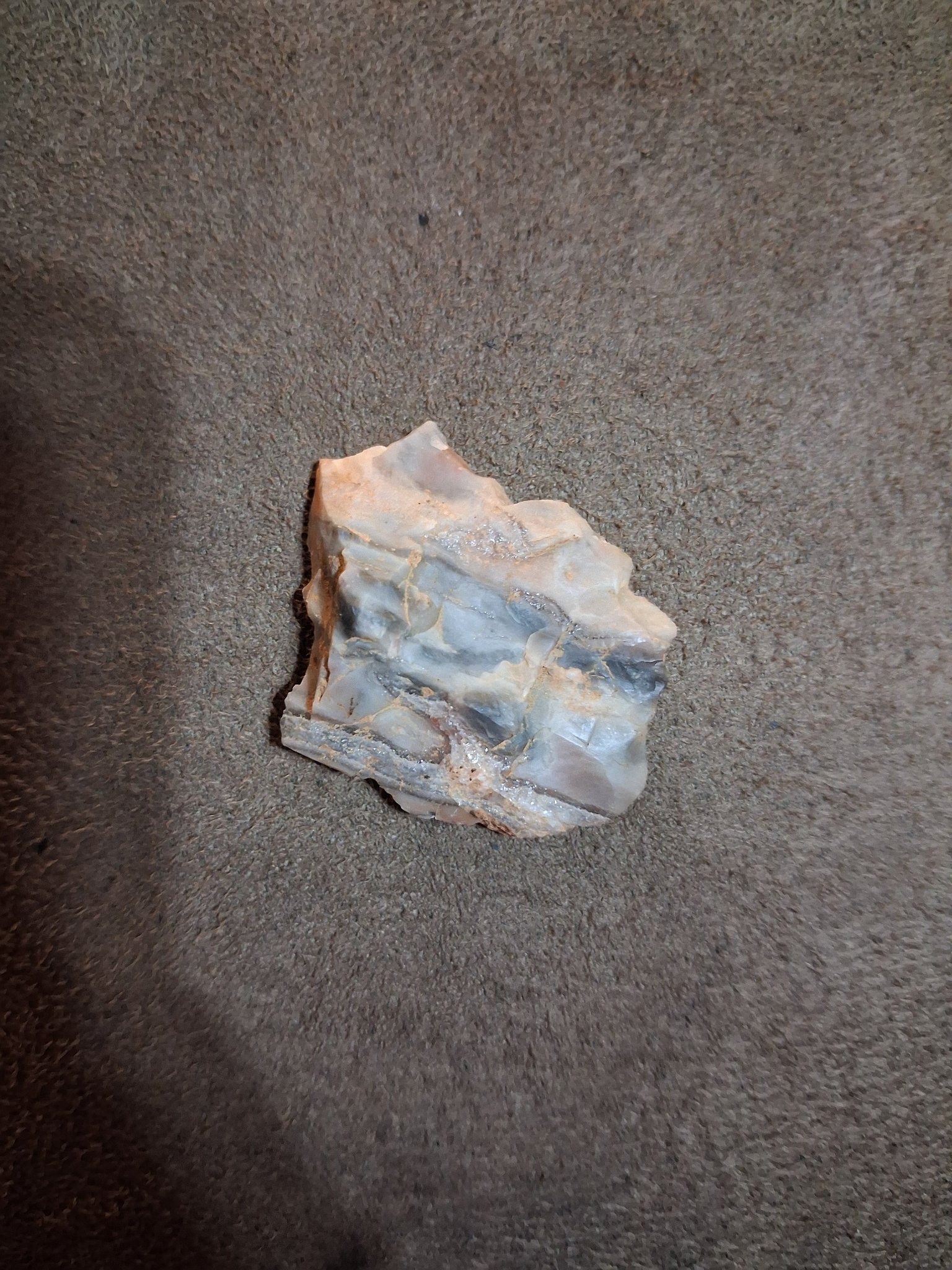
Flintstone mineral specimen

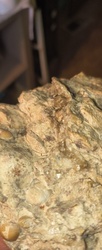
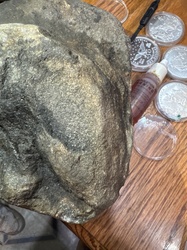
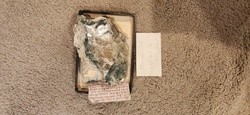
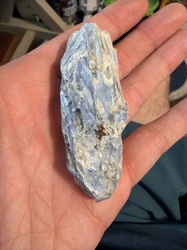
Submitted photo of Flintstone mineral specimen
Photo submitted by the user — not generated by AI

AI Estimated Value

Not an official valuation

$40-$80

AI estimate as of September 20, 2026 · verify with a professional before acting

AI-Generated · Verify before acting

Everything on this page is generated by AI for informational purposes only. AI can make mistakes — the AI may misidentify items or misattribute them (artist, maker, brand, designer, origin, era). This is not an official valuation and should not be used for insurance, sale, tax, estate, legal, or lending purposes — or any decision requiring a certified appraisal. It is not an authoritative claim about any person, brand, or rights holder — do not share or rely on it as a factual statement about a third party. Always consult qualified professionals before making financial decisions.

Read the full disclaimer

AI Item Analysis

This physical item is a naturally formed mineral specimen, appearing to be a piece of unworked flint or chert. The stone exhibits irregular, fractured edges and an uneven, blocky form with varying surface textures. Color-wise, the specimen displays a mottled palette ranging from soft cream, tan, and pale beige to muted blue-gray and charcoal tones, suggesting mineral inclusions and natural weathering patterns. There is a distinct layered or banded appearance across the central portion, with translucent or crystalline areas visible along some of the fracture planes. No visible maker's marks, stamps, signatures, or human-made tool modifications are apparent from the photographic evidence; the identification is based solely on the visual characteristics of conchoidal fracture patterns and coloration consistent with silicate sedimentary rocks. The item shows natural wear, pitting, and rough texturing typical of unpolished geological specimens found in natural environments. The style period is entirely natural and unassociated with any specific manufacturing era, though the visual qualities are consistent with common varieties of microcrystalline quartz. The overall craftsmanship is entirely natural, resulting from geological processes rather than human fabrication.
AI Appraisal Report

Based on what I can see in the photograph, this mineral specimen exhibits visual characteristics consistent with unworked flint or chert, displaying natural conchoidal fractures, uneven blocky forms, and a mottled palette of cream, tan, beige, and blue-gray tones. However, I can't verify from a photo alone the exact mineral composition, density, or specific geological origin, as physical inspection would be needed to confirm these traits. The estimated value range of $40 to $80 reflects typical market behavior for common, naturally formed microcrystalline quartz specimens of similar size and aesthetic appeal. Demand for unpolished geological specimens of this type is generally steady among hobbyists and educational collectors, though it remains a niche category with modest price points. Because this item is a natural geological formation rather than a human-made artifact, concepts of attribution or reproduction do not strictly apply in the traditional sense; rather, value is entirely dependent on its natural aesthetic quality, size, and mineralogical interest. If the specimen were determined to be a manufactured imitation or synthetic replica rather than a natural stone, the value would drop significantly to a nominal decorative level of under $15. To fully confirm the exact mineral identity and quality, a physical examination by a qualified geologist or mineralogist would be necessary.

Keep exploring

More minerals and fossils appraisals

Get your items appraised

Instant AI-powered appraisal estimates from a photo

Browse More Appraisals