From the user

What was submitted

Photo and notes provided by the user — not generated by AI

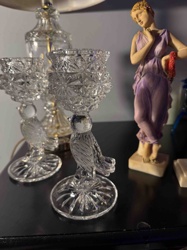
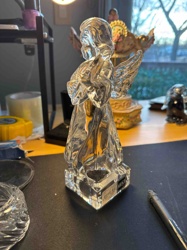
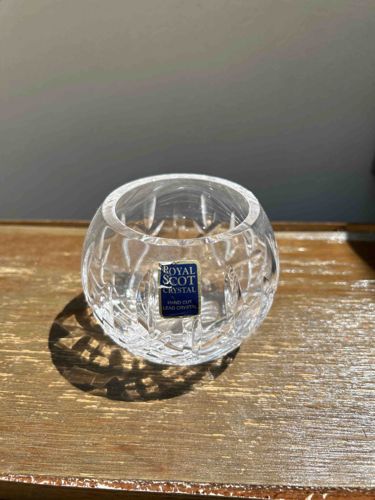
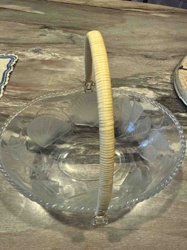
Submitted item photo
Submitted photo · May 15, 2026

User's notes

Royal Scot

AI analysis below

AI appraisal

AI analysis & estimate

AI-Generated · Verify before acting

Everything below is generated by AI for informational purposes only. AI can make mistakes — the AI may misidentify items or misattribute them (artist, maker, brand, designer, origin, era). This is not an official valuation and should not be used for insurance, sale, tax, estate, legal, or lending purposes — or any decision requiring a certified appraisal. It is not an authoritative claim about any person, brand, or rights holder — do not share or rely on it as a factual statement about a third party. Always consult qualified professionals before making financial decisions.

Note

This analysis also relies on unverified notes provided by the user, which may be incomplete or inaccurate and could affect the result.

Read the full disclaimer

AI Identification

·Not independently authenticated·Verify before acting

Royal Scot Hand Cut Lead Crystal Votive Tea Light Holder

Decorative Glassware / Collectibles

AI Estimated Value

·Not an official valuation·Verify before acting

$20-40

As of May 15, 2026

AI Item Analysis

·AI can make mistakes·Verify before acting
This item is a spherical or 'rose bowl' style votive/tea light holder crafted from high-quality hand-cut lead crystal. It features a classic geometric cut-glass pattern consisting of deep vertical and cross-hatched miter cuts that effectively refract light, characteristic of traditional British crystal design. The piece is colorless and transparent, boasting the high refractive index and clarity associated with lead crystal. A notable feature is the original blue and gold rectangular foil label affixed to the front, which reads 'ROYAL SCOT CRYSTAL, HAND CUT LEAD CRYSTAL,' identifying its origin from the renowned Scottish crystal manufacturer. In terms of condition, the piece appears to be in excellent contemporary condition with no visible chips, cracks, or clouding (internal fogging). The edges of the cuts remain sharp, and the base exhibits minor shelf wear. Based on the branding and style, this piece likely dates from the late 20th century to the early 21st century. The craftsmanship is evident in the precision of the symmetric facets and the weightiness of the leaded glass material, which provides a premium feel and superior brilliance compared to standard soda-lime glass.
AI Appraisal Report

·AI can make mistakes·Verify before acting
Based on my examination of the images provided, this item appears to be an authentic Royal Scot Crystal votive tea light holder, specifically in a spherical 'rose bowl' form. The presence of the original blue and gold foil label reading 'ROYAL SCOT CRYSTAL, HAND CUT LEAD CRYSTAL' is a primary indicator of origin, aligning with the late 20th to early 21st-century production era of this Scottish brand. The craftsmanship displays the expected characteristics of quality lead crystal: high clarity, sharp miter cuts, and significant refraction. The geometric cutting pattern is consistent with traditional British designs used by Royal Scot. Condition appears excellent, with no visible chips, cracks, or 'sickness' (cloudiness) evident in the photographs. Market conditions for mid-range contemporary lead crystal are currently soft. While Royal Scot is a respected name, it does not command the heavy collector premiums of Waterford or Baccarat. Comparables for single votive holders of this size and vintage regularly sell in the secondary market (eBay, Etsy, local auctions) between $20 and $40, depending largely on whether the original packaging is included. The item is not particularly rare, as these were popular gift items, but the pristine condition and intact label add to its upper-end desirability. While the visual evidence strongly suggests authenticity, a physical inspection is required for a definitive appraisal. Specifically, I would need to feel the weight to confirm the lead content (which is significantly heavier than soda glass) and 'ring' the glass to test its resonance. No specific provenance documentation is typically required for items at this price point beyond the maker's mark.

Get your items appraised

Instant estimates of your treasures with AI-powered appraisals

Browse More Appraisals