AI Appraisal Estimate

AI-generated estimates · not official valuations

From the user

What was submitted

Photo and notes provided by the user — not generated by AI

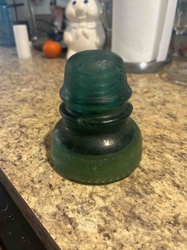
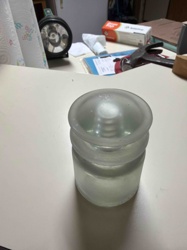
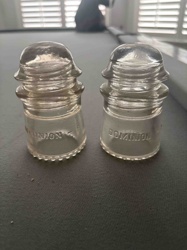
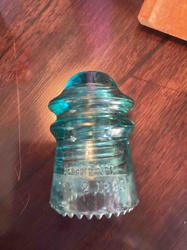
Submitted item photo
Submitted photo · June 6, 2026

User's notes

No additional notes provided.

AI analysis below

AI appraisal

AI analysis & estimate

AI-Generated · Verify before acting

Everything below is generated by AI for informational purposes only. AI can make mistakes — the AI may misidentify items or misattribute them (artist, maker, brand, designer, origin, era). This is not an official valuation and should not be used for insurance, sale, tax, estate, legal, or lending purposes — or any decision requiring a certified appraisal. It is not an authoritative claim about any person, brand, or rights holder — do not share or rely on it as a factual statement about a third party. Always consult qualified professionals before making financial decisions.

Read the full disclaimer

AI Identification

·Not independently authenticated·Verify before acting

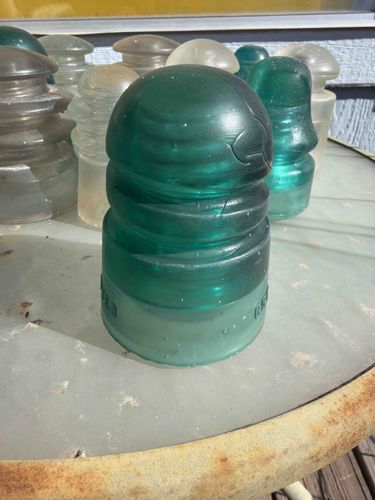
Brookfield Green Glass Beehive Insulator

Antique Industrial Glass / Collectible Insulators

AI Estimated Value

·Not an official valuation·Verify before acting

$15.00 - $25.00

As of June 6, 2026

AI Item Analysis

·AI can make mistakes·Verify before acting
A vintage glass telegraph or telephone insulator, specifically a 'beehive' style design common in the late 19th to early 20th century. This specimen features a vibrant, deep aqua green or teal color, which is a desirable shade among glass collectors. The object is constructed from thick, molded glass with a rounded top dome and deeply recessed ribbing around the middle section to accommodate wire wraps. Embossed lettering is visible near the base, including the brand name 'BROOKFIELD,' which identifies the manufacturer as the Brookfield Glass Company (New York/New Jersey), one of the most prolific American glass insulator producers during the expansion of the electrical and telegraph infrastructure. The bottom edge appears to be 'smooth base,' though some small air bubbles (seeds) are trapped within the glass, characteristic of older industrial glass production methods. The condition shows significant surface wear, including a prominent diagonal stress crack or deep surface scratch on the right side of the dome, along with typical 'flea bites' and minor chipping around the base and wire grooves. A dull film or light patina is present on the lower portion, likely from exposure to the elements or earth burial. This item likely dates from approximately 1890 to 1915.
AI Appraisal Report

·AI can make mistakes·Verify before acting
I have examined the digital representation of this Brookfield beehive glass insulator, likely a standard CD 145 model produced between 1890 and 1915. While the deep aqua teal coloration is vibrant and aesthetically pleasing, this specific manufacture (Brookfield) and style represent one of the most common survivors of the industrial age. My visual assessment confirms its authenticity based on the characteristic 'seed' bubbles and the specific typography of the embossed 'BROOKFIELD' lettering. However, the condition is a significant limiting factor. The visible diagonal stress crack or deep scratch on the dome, combined with 'flea bite' chipping and base wear, severely reduces its value to the 'entry-level' collector market. In the current insulator market, common aqua beehives in 'Near Mint' condition typically fetch $30-$45. Given the structural flaws identified here, the value is downgraded accordingly. Demand remains steady for decorative industrial glass, but high-end collectors prioritize 'shop-worn' free or pristine specimens. Limitations: This appraisal is based solely on digital images. A physical inspection is necessary to differentiate between a surface scratch and a through-body stress crack, the latter of which would further lower the value to 'junk' status (under $10). I would also need to verify the base type (smooth vs. drip points) and check for any 'milky' internal sickness that cannot be cleaned. No scientific testing is required for this common item, though provenance regarding its railway or telegraph line origin could add minor historical interest.

Get your items appraised

Instant estimates of your treasures with AI-powered appraisals

Browse More Appraisals