AI estimate as of August 24, 2025 · verify with a professional before acting
AI-Generated · Verify before acting
Everything on this page is generated by AI for informational purposes only. AI can make mistakes — the AI may misidentify items or misattribute them (artist, maker, brand, designer, origin, era). This is not an official valuation and should not be used for insurance, sale, tax, estate, legal, or lending purposes — or any decision requiring a certified appraisal. It is not an authoritative claim about any person, brand, or rights holder — do not share or rely on it as a factual statement about a third party. Always consult qualified professionals before making financial decisions.
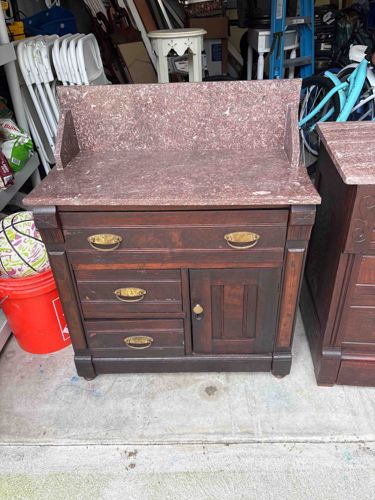
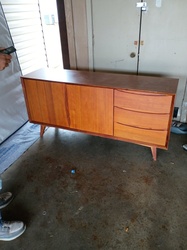
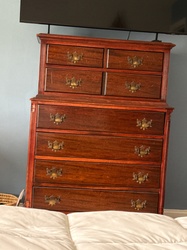
This is an antique or vintage washstand, often referred to as a commode or basin stand, characterized by its dark-stained wooden construction, likely oak or a similar hardwood, with a prominent red speckled stone top and backsplash. The stone, possibly red granite or a type of variegated marble, shows natural variations and some signs of wear, including possible light staining or discoloration consistent with its age and intended use. The overall structure is rectangular, featuring a central cabinet door with a plain recessed panel and a small, round brass or bronze knob. To the left of the cabinet, there are three drawers of varying sizes, each fitted with a decorative bail pull handle in an aged brass or bronze finish. The handles are oval shaped with a central escutcheon plate. The wood exhibits a rich, deep brown, almost reddish hue, and appears to have a polished or varnished finish that has aged, showing some minor scuffs, scratches, and possibly some surface dirt or dust. The craftsmanship suggests a sturdy build, a hallmark of furniture from the late 19th to early 20th century. Notable features include fluted or reeded vertical pilasters on the front corners, adding a touch of classical detail. The base is relatively simple, resting on a plinth-like base or short feet that are integrated into the main structure. There are no immediately visible major damages such as cracks or significant breaks in the wood or stone, though the surface of both materials shows typical signs of age and use, contributing to its patina. The piece is designed to be functional, a common fixture in bedrooms before indoor plumbing became widespread, used to hold a wash basin and pitcher. The back splash helps prevent water from splashing onto the wall.
AI Appraisal Report
I have examined the provided image of this antique washstand, noting its dark-stained hardwood construction, likely oak, and distinctive red speckled stone top and backsplash. The design, featuring a central cabinet, three drawers with bail pull handles, and fluted pilasters, is characteristic of late 19th to early 20th-century furniture.
The overall condition appears good for its age. I observe typical signs of wear, including minor scuffs and scratches on the wood, and slight discoloration on the stone, all contributing to its authentic patina. There are no immediate indications of major structural damage, cracks, or significant breaks from the image. The hardware seems original and consistent with the period.
From a market perspective, washstands of this quality and period generally exhibit moderate demand. While not exceedingly rare, pieces with intact stone tops like this are less common and more desirable than those with wood or missing tops. The aesthetic appeal of the stone is a significant value enhancer. Comparables in similar condition on the antique market often fetch values based on their historical significance, material quality, and decorative elements.
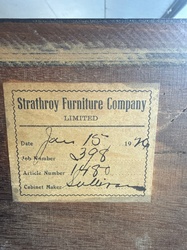
Limitations exist in authenticating solely from an image. A physical examination would allow me to confirm wood species, assess internal drawer construction, precisely gauge the stability of joints, and detect any professional repairs or restorations not visible externally. In-person inspection would also enable a more accurate assessment of the stone's type and any hidden imperfections. Provenance documentation, such as original purchase receipts or family records, would further solidify its authenticity and history.