Category: Other
Material: Natural Black Onyx from Nova Scotia
Weight: 13.3 cts
Dimensions: 16 x 12 x 6.6 mm
These notes were written by the person who submitted this item. Appraiser.AI has not verified them, and the AI's identification and estimate may rely on them.
AI Estimated Value
Not an official valuation
$50-$150
AI estimate as of October 12, 2026 · verify with a professional before acting
AI-Generated · Verify before acting
Everything on this page is generated by AI for informational purposes only. AI can make mistakes — the AI may misidentify items or misattribute them (artist, maker, brand, designer, origin, era). This is not an official valuation and should not be used for insurance, sale, tax, estate, legal, or lending purposes — or any decision requiring a certified appraisal. It is not an authoritative claim about any person, brand, or rights holder — do not share or rely on it as a factual statement about a third party. Always consult qualified professionals before making financial decisions.
This analysis also relies on unverified notes provided by the user, which may be incomplete or inaccurate and could affect the result.
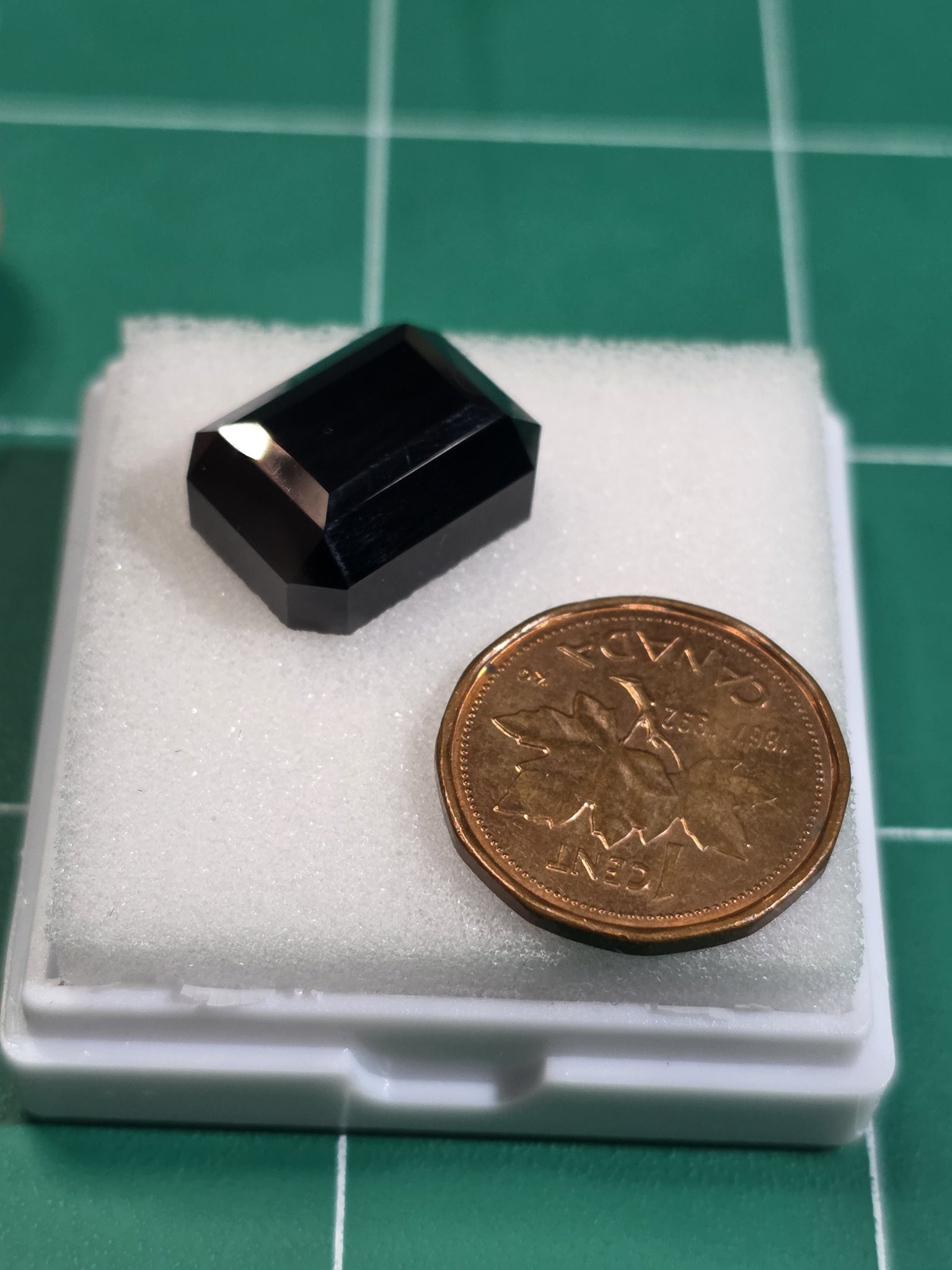
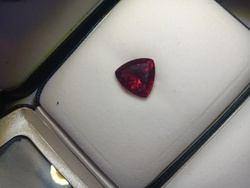
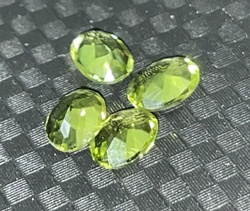
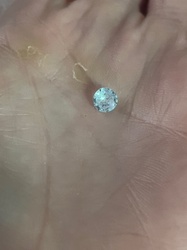
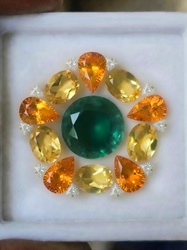
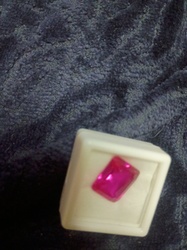
The item presented is a loose, dark-colored faceted gemstone shown alongside a Canadian cent coin for scale inside a white foam gem jar resting on a green cutting mat. Based strictly on the visual evidence from the photograph, the stone appears to be an opaque black gemstone cut in a rectangular emerald shape, featuring stepped pavilion and crown facets with a flat rectangular table. The gemstone displays a polished, reflective vitreous to sub-vitreous luster with sharp facet junctions and no obvious surface fractures or chips visible under this magnification. The owner identifies this as a natural black onyx originating from Nova Scotia, weighing 13.3 carats with stated dimensions of approximately 16 x 12 x 6.6 millimeters; however, this user-supplied attribution is completely unverified, as gemological properties such as exact mineral species, treatment history, and geographic origin cannot be determined by visual inspection of a photograph alone. Without specialized gemological testing instruments such as a refractometer, dichroscope, or microscope, the stone could potentially be black onyx, black tourmaline, black obsidian, glass, or a treated quartz composite. The identification in the name reflects a cautious generic description with a necessary unauthenticated qualifier due to the inability to physically test the physical and optical properties of the specimen.
AI Appraisal Report
Based on what I can see in the photograph, the item appears as a loose, dark-colored faceted gemstone cut in a rectangular emerald shape, resting inside a white foam gem jar. Per user submission, the owner identifies this as a natural black onyx originating from Nova Scotia, weighing 13.3 carats with dimensions of approximately 16 x 12 x 6.6 millimeters. However, I cannot verify from a photo whether the material is indeed natural black onyx, black tourmaline, black obsidian, glass, or a treated quartz composite. Visual inspection alone cannot determine exact mineral species, treatment history, or geographic origin, and would need physical inspection to confirm. Assuming the user's identification is correct for the sake of this estimate, a natural black onyx of this size and cut typically trades within a modest retail range of $50 to $150, driven largely by general demand for affordable collector rough and commercial jewelry stones rather than rare gem scarcity. If the specimen were to turn out to be a synthetic material, glass, or an alternative inexpensive stone, the value would decrease significantly to nominal decorative worth, likely under $20. To establish the true nature, species, and potential geographic origin of this piece, specialized gemological testing instruments such as a refractometer, dichroscope, or microscope, alongside formal in-person examination by a certified gemologist, would be strictly necessary.