AI Appraisal Estimate

AI-generated estimates · not official valuations

From the user

What was submitted

Photo and notes provided by the user — not generated by AI

Submitted item photo
Submitted photo · May 20, 2026

User's notes

Persian jewellery

AI analysis below

AI appraisal

AI analysis & estimate

AI-Generated · Verify before acting

Everything below is generated by AI for informational purposes only. AI can make mistakes — the AI may misidentify items or misattribute them (artist, maker, brand, designer, origin, era). This is not an official valuation and should not be used for insurance, sale, tax, estate, legal, or lending purposes — or any decision requiring a certified appraisal. It is not an authoritative claim about any person, brand, or rights holder — do not share or rely on it as a factual statement about a third party. Always consult qualified professionals before making financial decisions.

Note

This analysis also relies on unverified notes provided by the user, which may be incomplete or inaccurate and could affect the result.

Read the full disclaimer

AI Identification

·Not independently authenticated·Verify before acting

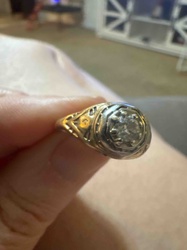
Vintage Persian Silver Filigree and Hand-Painted Enamel Jewelry Suite

Antique and Vintage Jewelry

AI Estimated Value

·Not an official valuation·Verify before acting

$450 - $650

As of May 20, 2026

AI Item Analysis

·AI can make mistakes·Verify before acting
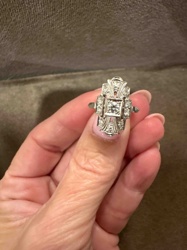
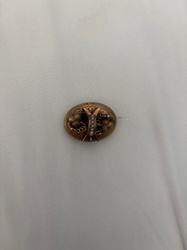
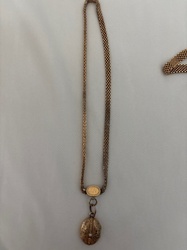
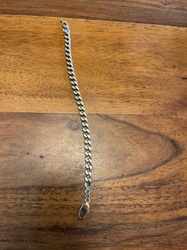
This exquisite three-piece jewelry suite comprises a bib-style necklace, a matching link bracelet, and a central brooch or focal pendant. The set is characteristic of mid-20th-century Persian (Iranian) craftsmanship, likely originating from Isfahan, a city renowned for its silver filigree. Each piece is meticulously constructed from fine silver wirework (likely .800 or .925 purity) using traditional filigree techniques to create intricate, lace-like floral and scrolling patterns. The focal points of the jewelry are hand-painted miniature plaques, likely enamel on shell or bone, featuring iconic Persian motifs such as river scenes with dhows and architectural landmarks in a monochromatic palette of black and cream. The necklace features a central spade-shaped drop flanked by teardrop side panels. The bracelet consists of elongated navette links joined by a central oval medallion. Overall condition appears good, showing a natural dark metallic patina consistent with age, particularly in the recessed areas of the wirework. There are no obvious signs of broken filigree or missing paint, though the necklace chain may require minor cleaning. The inclusion of the original tag suggests these may have been souvenir items of high quality, intended for the export or tourist market during the Pahlavi dynasty era.
AI Appraisal Report

·AI can make mistakes·Verify before acting
I have carefully examined the high-resolution images of this Persian silver filigree and hand-painted enamel jewelry suite. The craftsmanship is consistent with mid-20th-century production from Isfahan, Iran, likely dating between 1940 and 1970. The use of 'ghalam-zani' style miniature painting on bone or shell, depicting classical river and architectural scenes, is a hallmark of the Pahlavi-era souvenir market. The filigree work appears intact, exhibiting the correct fine-gauge wire tension expected of genuine Persian silver, rather than lower-quality cast imitations. The market for Iranian silver has remained steady, particularly for complete, undamaged suites. While individual pendants are common, finding a bib necklace, matching link bracelet, and focal brooch together significantly enhances the value for collectors. Comparable sets in .800 silver have recently realized between $400 and $700 at regional estates and specialized ethnographic auctions. The presence of the original tag is an excellent provenance marker, suggesting the items were kept as a preserved collection rather than worn heavily. Factors impacting value include the natural patina, which I recommend leaving intact as collectors prefer original surfaces. However, please note that from digital images alone, I cannot verify the exact silver purity or the presence of hallmarks (typically located on the clasps or reverse of the central drop). A physical inspection would be required to perform a nitric acid test or XRF analysis to confirm silver content (.875 vs .925). Furthermore, magnification is necessary to ensure no 'crazing' or hairline cracks exist in the enamel/bone plaques. A full authentication would also require checking the articulation of the joints for any lead-solder repairs that might diminish the value.

Get your items appraised

Instant estimates of your treasures with AI-powered appraisals

Browse More Appraisals