AI Appraisal Estimate

AI-generated estimates · not official valuations

From the user

What was submitted

Photo and notes provided by the user — not generated by AI

Submitted item photo
Submitted photo · May 22, 2026

User's notes

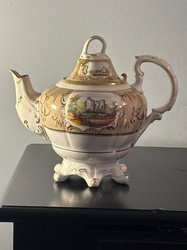
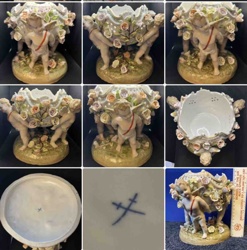
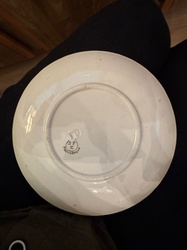
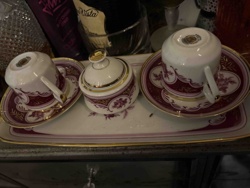
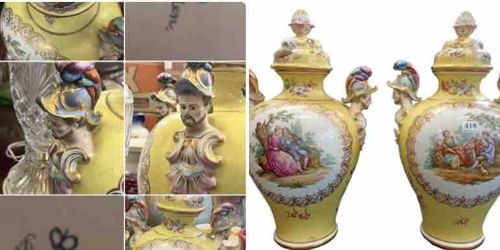
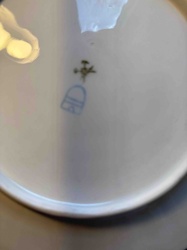
Hallmark : DRESDEN (see picture). Pair of lidded urns. age? Provenance? Origin? Value?

AI analysis below

AI appraisal

AI analysis & estimate

AI-Generated · Verify before acting

Everything below is generated by AI for informational purposes only. AI can make mistakes — the AI may misidentify items or misattribute them (artist, maker, brand, designer, origin, era). This is not an official valuation and should not be used for insurance, sale, tax, estate, legal, or lending purposes — or any decision requiring a certified appraisal. It is not an authoritative claim about any person, brand, or rights holder — do not share or rely on it as a factual statement about a third party. Always consult qualified professionals before making financial decisions.

Note

This analysis also relies on unverified notes provided by the user, which may be incomplete or inaccurate and could affect the result.

Read the full disclaimer

AI Identification

·Not independently authenticated·Verify before acting

Pair of Dresden Lidded Urns with Helmet-Clad Figural Handles

Fine European Ceramics and Porcelain

AI Estimated Value

·Not an official valuation·Verify before acting

$1,200 - $1,800 USD

As of May 22, 2026

AI Item Analysis

·AI can make mistakes·Verify before acting
A pair of highly decorative 19th-century lidded porcelain urns featuring a canary yellow ground and hand-painted Watteau-style vignettes. The vessels are constructed from fine polychrome porcelain with elaborate figural handles modeled as bearded male busts wearing Romanesque or Greco-Roman helmets accented with colorful plumes and gilding. The center of each urn displays a large oval reserve containing a romanticized pastoral scene of figures in an outdoor setting, surrounded by intricate gilded scrolling and lace-work borders. Small floral sprigs are scattered across the neck and base. The lids are domed, mirroring the yellow ground and floral motifs, topped with a decorative finial. Noted visible condition issues include some losses to the applied porcelain elements, particularly on the plumes of the helmeted handles, and minor chips to the painted glaze and gilded edges. The 'Dresden' mark and crown stamp visible in the detail photos indicate production during the late 19th century in Germany, likely by a firm such as Helena Wolfsohn or Carl Thieme, who frequently utilized the yellow-ground 'Helena Wolfsohn' style imitating earlier Meissen designs. The quality indicates high-level decorative craftsmanship with extensive hand-applied detail.
AI Appraisal Report

·AI can make mistakes·Verify before acting
Based on my examination of the provided images and descriptions, I am appraising this pair of lidded porcelain urns as high-quality late 19th-century German decorative arts in the manner of the Helena Wolfsohn studio. The 'Dresden' mark and crown, combined with the canary yellow ground and Watteau-style vignettes, strongly suggest production between 1880 and 1900. These pieces are intended to emulate the ‘AR’ (Augustus Rex) Meissen style, which was highly popular during the Victorian revival period. The figural helmet-clad handles represent a sophisticated level of mold-making, and the polychrome pastoral scenes show commendable hand-painted detail. However, the value is tempered by the noted condition issues. In the market for fine European ceramics, applied porcelain elements (such as the plumes on the helmets) are notoriously fragile; losses here, along with chips to the gilded borders, represent a significant deduction in potential auction value compared to pristine examples. While the market for 'Dresden' porcelain remains stable among collectors of traditional European interiors, it is currently less aggressive than the market for primary 18th-century Meissen. Comparables in excellent condition often reach $2,500, but given the visible damage, a more conservative valuation is warranted. Limitation of Remote Appraisal: This valuation is based on visual evidence. A physical inspection is required to confirm the absence of professional restorations (invisible under standard light), verify porcelain density (to distinguish from lesser continental copies), and examine the 'Dresden' mark under magnification. Provenance documentation, such as original bills of sale or exhibition history, would be necessary to further solidify this estimate.

Get your items appraised

Instant estimates of your treasures with AI-powered appraisals

Browse More Appraisals