AI identification & appraisal estimate

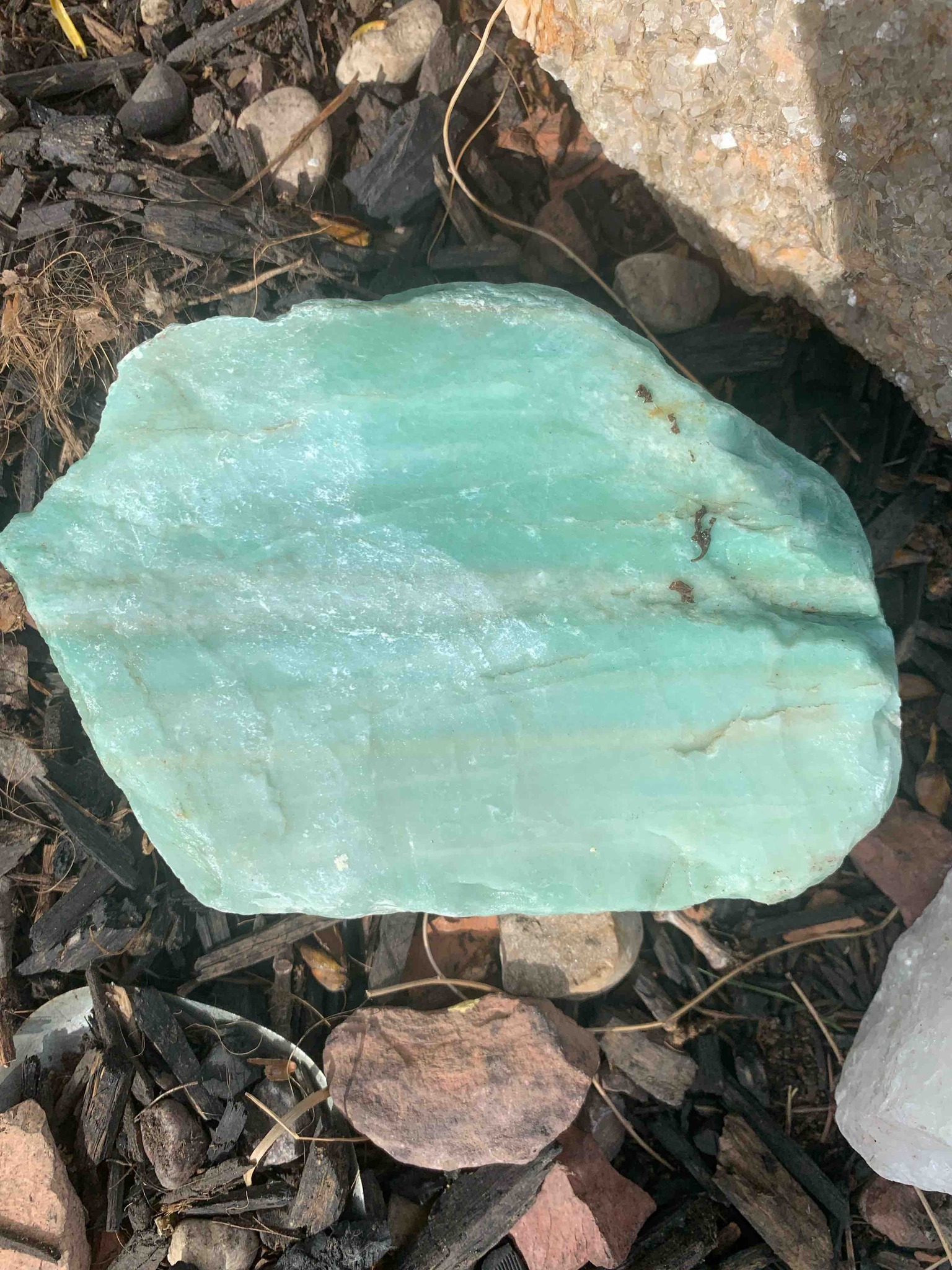
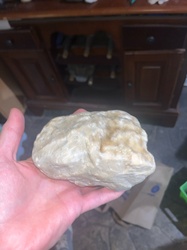
Rough mineral specimen consistent with Blue-Green Calcite or Amazonite

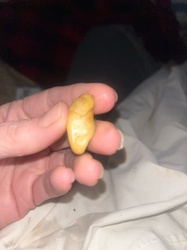
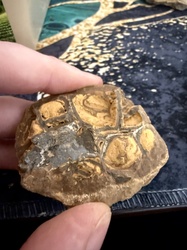
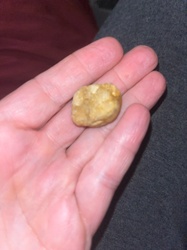
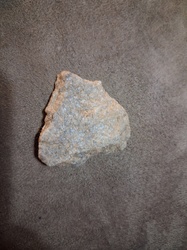
Submitted photo of Rough mineral specimen consistent with Blue-Green Calcite or Amazonite
Photo submitted by the user — not generated by AI

User's notes

Some kind or rock

These notes were written by the person who submitted this item. Appraiser.AI has not verified them, and the AI's identification and estimate may rely on them.

AI Estimated Value

Not an official valuation

$30.00-$75.00

AI estimate as of May 25, 2026 · verify with a professional before acting

AI-Generated · Verify before acting

Everything on this page is generated by AI for informational purposes only. AI can make mistakes — the AI may misidentify items or misattribute them (artist, maker, brand, designer, origin, era). This is not an official valuation and should not be used for insurance, sale, tax, estate, legal, or lending purposes — or any decision requiring a certified appraisal. It is not an authoritative claim about any person, brand, or rights holder — do not share or rely on it as a factual statement about a third party. Always consult qualified professionals before making financial decisions.

This analysis also relies on unverified notes provided by the user, which may be incomplete or inaccurate and could affect the result.

Read the full disclaimer

AI Item Analysis

This is a large, rough-cut mineral specimen displaying a pale blue-green to aqua-marine hue. The item appears to have a vitreous to pearly luster on its surface, which is characterized by irregular, angular edges and a somewhat blocky cleavage pattern. Structurally, the stone shows horizontal bands or fractures that appear consistent with the natural growth patterns of varieties like Amazonite (Microcline) or Blue Calcite. The color is slightly variegated, with lighter white or pale streaks throughout. The user provides a note that it is 'some kind of rock,' which is consistent with the visual evidence of an unpolished raw mineral. There are no visible maker's marks, signatures, or labels, as the item is a naturally occurring geologic specimen. The surface shows some minor debris, likely from storage in an outdoor garden bed as pictured, along with small specks of brown staining that may be iron oxide or simple earth. Professional mineralogical testing, such as a hardness test or acid reaction test, would be required to definitively identify the mineral species, as visual identification of blue-green specimens from a photograph is inherently a hypothesis and not a confirmed identification.
AI Appraisal Report

Based on the image provided, I have examined this large, rough-cut mineral specimen. The item exhibits a pale blue-green hue and a blocky cleavage pattern that I find consistent with a hypothesis of semi-precious minerals such as Amazonite (a variety of Microcline) or Blue-Green Calcite. The user-provided note characterizes it simply as 'some kind of rock,' which aligns with its raw, unpolished state. From this photograph, I can observe a vitreous to pearly luster and natural variegation; however, I cannot verify the specific mineral species or its density without physical testing. The value for a decorative mineral specimen of this size is driven by its aesthetic appeal and scale. In the current market, raw specimens of this type typically attract modest interest from collectors or as garden/home decor. My estimate assumes the identification as a natural mineral such as Amazonite or Calcite; if the material were found to be a common dyed stone or a less desirable silicate, the value would likely fall to the lower end of the range or below. To move beyond a working hypothesis, a physical inspection including a Mohs hardness test and an acid reaction test would be required to determine the chemical composition. Furthermore, professional cleaning to remove the visible surface staining and debris would be necessary to assess the internal clarity and saturation of the color, which are primary drivers of value for mineral collectors. As an unauthenticated geological find without documented provenance, the valuation reflects typical secondary market interest for bulk decorative minerals rather than investment-grade museum specimens.

Keep exploring

More rocks and minerals appraisals

Get your items appraised

Instant AI-powered appraisal estimates from a photo

Browse More Appraisals